

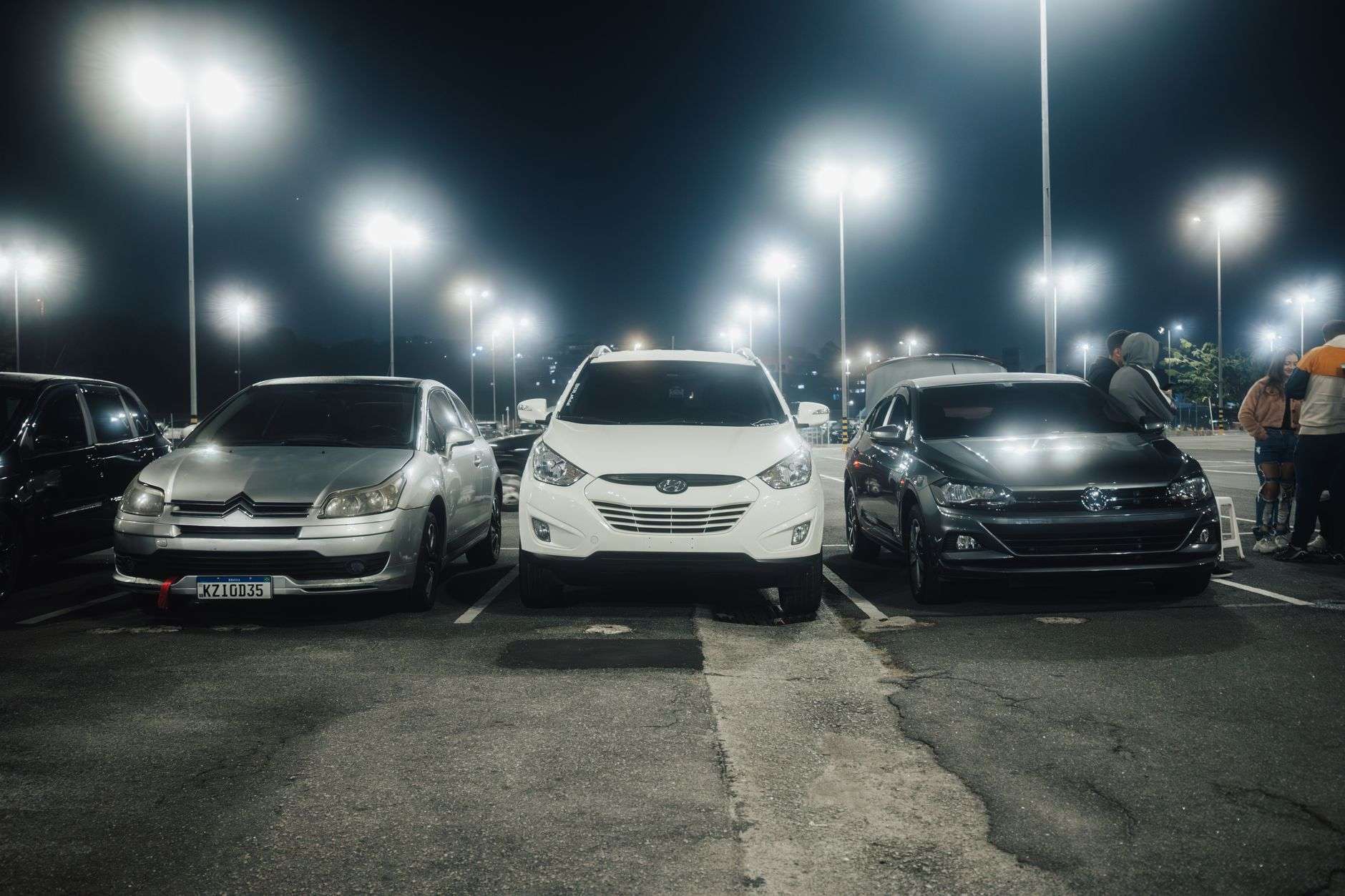
Mobile police officers looking into a string of vehicle break-ins at a west Mobile apartment complex said they caught two juveniles in the act early Saturday, Sept. 19, 2026. The Sollie Road break-ins at Charleston Apartments, 2889 Sollie Road, had been happening since July, investigators said.
According to the Mobile Police Department, officers were investigating the recent break-ins at about 1:30 a.m. Saturday when they saw two juvenile males actively breaking into vehicles at the complex. When officers approached, the two ran, police said. Both were caught and detained. One was arrested and taken to Strickland Youth Center, Mobile County’s juvenile detention facility.
Investigators Link the Pair to Earlier Break-Ins
After the two were detained, investigators said they learned the juveniles had broken into multiple vehicles at the apartment complex since July. Police have not said how many vehicles were entered, what was taken or what charges the juvenile who was arrested faces. MPD also did not say what happened with the second juvenile after being detained.
The case remains an active investigation, police said.
Because both suspects are juveniles, their names and ages have not been released. Alabama law generally keeps juvenile court proceedings and records confidential, and news organizations typically do not identify minors accused of crimes.
How Juvenile Cases Work in Alabama
In Alabama, most cases involving people under 18 are handled in juvenile court rather than adult criminal court. Instead of being convicted of a crime, a juvenile may be found delinquent. The juvenile court system places a greater emphasis on rehabilitation and supervision, and judges have a range of options that can include probation, counseling, community service, restitution to victims and, in more serious cases, commitment to the Alabama Department of Youth Services.
When a juvenile is taken into custody, a detention hearing is typically held soon after to decide whether the young person should remain in secure detention or be released to a parent or guardian while the case proceeds. In Mobile County, juveniles who are detained are held at the Strickland Youth Center.
In limited circumstances, generally involving older teens and serious felonies, prosecutors can seek to have a case transferred to adult court. Nothing released by police indicates that is being considered in this case.
What the Law Says About Vehicle Break-Ins
For adults, Alabama treats unlawfully breaking and entering a vehicle as a felony. The law makes it a crime to break into and enter a vehicle, or any part of it, with the intent to commit a felony or theft inside. It is classified as a Class C felony, punishable by one year and one day up to 10 years in prison for an adult, and theft of items from inside the vehicle can bring separate charges.
A Recurring Problem Across Mobile
Vehicle break-ins are among the most common property crimes in Mobile and in cities nationwide. Apartment complexes and large parking lots can be especially attractive to thieves because many vehicles are parked close together overnight, often in areas where activity at night draws little notice.
MPD has investigated several clusters of break-ins in recent weeks, including cases at other apartment communities, and has regularly urged residents to take simple steps to make vehicles less appealing targets. Law enforcement agencies have long noted that many break-ins involve unlocked vehicles and valuables left in plain view, and that firearms stolen from vehicles are a significant source of guns used in other crimes.
Protecting Your Vehicle
Police recommend a few habits that can greatly reduce the chances of becoming a victim:
- Lock your vehicle every time you leave it, even at home.
- Never leave keys or key fobs inside the vehicle.
- Remove valuables, or at least keep them out of sight. Bags, electronics, wallets and even loose change can attract a thief.
- Do not leave firearms in vehicles. If you must, keep them in a locked, secured container.
- Park in well-lit areas when possible, and close to building entrances or cameras.
- Report suspicious activity in parking lots to police right away.
Many law enforcement agencies promote a nightly checklist, sometimes called the “9 p.m. routine,” encouraging residents to lock cars, remove valuables, turn on exterior lights and secure doors before bed.
What Apartment Communities Can Do
Property managers and residents also play a role in keeping parking areas safe. Common measures at apartment communities include adding or upgrading lighting in parking lots, installing and maintaining security cameras that cover entrances and parking rows, trimming shrubs that provide hiding places, repairing gates and fences, and sharing crime alerts with residents so they know when to be extra careful. Some communities hire courtesy officers or private security patrols during overnight hours, when most vehicle break-ins occur.
Neighbors looking out for one another can be just as important. A resident who notices someone walking between parked cars and pulling on door handles late at night should call 911 rather than confronting the person. Details such as clothing, direction of travel and any vehicle involved can help officers respond quickly.
How to Help Investigators
Residents of Charleston Apartments or nearby communities who believe their vehicles were entered since July, or who have security camera footage that could help, can contact the Mobile Police Department at 251-208-7211. Anonymous tips can also be submitted through Mobile County Crime Stoppers.
Victims of vehicle break-ins are encouraged to file a police report even when the loss seems minor. Reports help investigators identify patterns, connect cases and, when suspects are caught, account for everyone who was affected, which can matter for restitution.