

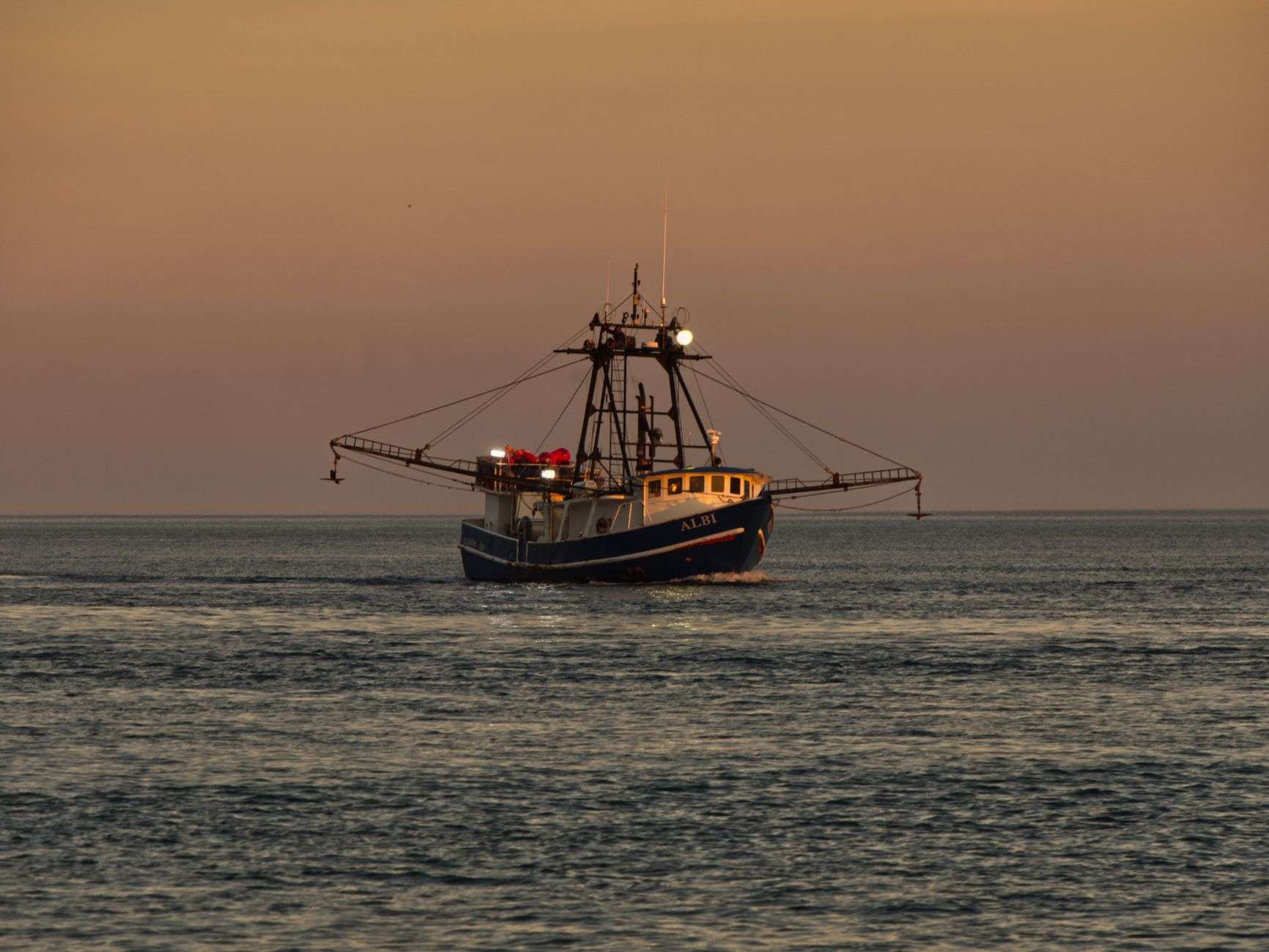
GULF SHORES, Ala. — For the men and women who make their living on the water along the Alabama coast, fuel is not a line item they can trim. It is the cost of leaving the dock. And right now, that cost is squeezing commercial shrimpers, offshore fishing fleets and charter boat captains from Bayou La Batre to Orange Beach.
Marine diesel prices have surged sharply in recent months. In some areas, dockside prices have nearly doubled or jumped more than 50% within short periods, climbing to between $4.50 and $6.50 per gallon at waterfront fuel docks. For an industry that already operates on thin margins, those increases threaten the viability of the entire commercial fishing and charter economy.
Because fuel is not an optional expense, operators say, the price spikes ripple quickly from the wheelhouse to the seafood counter, the restaurant menu and the charter booking desk.
Why fuel hits shrimpers so hard
For commercial shrimpers, fuel is the single largest cost of doing business. It routinely accounts for more than half of total operating costs.
Large Gulf freezer trawlers that make multi-week offshore trips can burn many thousands of gallons of diesel on a single voyage. Filling a large vessel’s tanks before departure can cost an owner an estimated $47,000 to more than $60,000 per trip in fuel alone, before a single net goes in the water.
Unlike many other businesses, commercial fishermen cannot simply raise their prices to cover the added expense. Wholesale dockside prices for shrimp and fish are driven by market forces, including competition from imported seafood, so boat owners have little ability to pass rising fuel costs along to buyers.
That leaves some captains with a hard choice. With razor-thin profit margins, many are forced to leave their boats tied to the dock, because heading to sea risks losing money on every trip.
A ripple effect across the coastal economy
When boats stay tied up, the impact extends well beyond vessel owners and their crews. Commercial fishing supports a web of related businesses, and industry estimates suggest every dollar generated by commercial fishermen creates roughly six dollars in the broader coastal economy.
- Supply chain disruptions: When boats sit idle, seafood processing plants, packaging facilities, dockworkers, ice houses, net makers, marine mechanics and freight truck drivers see reduced work or layoffs.
- Scarcer local seafood and higher prices: Fewer trips mean smaller landings of wild-caught shrimp and fish. Local seafood markets and shoppers face higher prices for fresh seafood, and restaurants may be forced to rely more heavily on imported, farm-raised products.
- Strain on tourism and charters: Higher fuel surcharges raise the cost of deep-sea charter trips, which can discourage recreational anglers and visitors. That, in turn, can affect coastal hotels, restaurants and retail shops.
Alabama’s working waterfront
Alabama has a rich maritime heritage and operates significant commercial and recreational fleets.
Shrimp boats: Bayou La Batre, where roughly 85% of Alabama’s wild-caught shrimp is landed, is home to more than 300 licensed fishing and shrimping vessels. Additional inshore and offshore shrimp boats work out of Coden, Bon Secour and Gulf Shores.
Charter fleets: Alabama’s Gulf Coast, particularly around Orange Beach and Gulf Shores, is home to one of the largest charter fishing fleets in the Gulf, with more than 100 active charter boats and experienced captains. Those boats carry visiting anglers offshore for red snapper, amberjack, grouper and other species, and they are a major draw for coastal tourism.
Shrimp is also woven into the region’s culture. Gulf Shores will soon host the 53rd annual National Shrimp Festival, a celebration that draws large crowds to the beach each October and highlights the importance of the seafood industry to the coast.
Why fishing boats run on diesel
Some readers may wonder why commercial and charter vessels do not simply switch to cheaper fuels. The answer lies in the demands of working on the water. Commercial fishing and deep-sea vessels overwhelmingly use diesel engines rather than gasoline for several practical and safety reasons:
- Low-end torque: Dragging heavy trawl nets through open water or pushing large, heavy hulls requires tremendous power at low engine speeds. Diesel engines produce significantly more torque at low RPMs than gasoline engines.
- Efficiency and range: Diesel engines are generally 20% to 30% more fuel efficient than gasoline engines, and diesel fuel packs more energy into each gallon. That allows vessels to travel farther on a tank, which is critical on long offshore trips.
- Safety at sea: Gasoline produces volatile vapors and has a flashpoint of about -40°F, creating a serious explosion risk in enclosed engine compartments. Diesel’s flashpoint is far higher, roughly between 126°F and 205°F, making it much less flammable and much safer for vessels operating far from shore.
- Longevity: Commercial marine diesel engines are built for continuous heavy-duty use. A well-maintained marine diesel may run 5,000 to 8,000 or more hours before needing a major overhaul, compared with roughly 1,500 to 2,000 hours for a marine gasoline engine.
- Less downtime: Diesel engines generally need less frequent routine service, with intervals around 200 hours compared with about 100 hours for gasoline outboards, which reduces costly time off the water.
In other words, diesel is the right fuel for the job. That is exactly why price spikes hit so hard: there is no practical substitute.
Fuel prices in the political spotlight
Rising fuel costs have also become a theme in this fall’s elections. In the race for governor, Democratic nominee Doug Jones has proposed temporarily freezing the state’s 10-cent-per-gallon fuel tax increase that was implemented in 2019, and his campaign has highlighted fuel prices at recent rallies in Mobile. Republican nominee Tommy Tuberville has drawn criticism from the Jones campaign over recent remarks about fuel prices, while Tuberville has said he is confident in his standing with Alabama voters.
Fuel prices are shaped largely by national and international forces, but for coastal businesses that depend on diesel, the debate over how to ease the burden is personal.
What residents and visitors can do
Seafood lovers and visitors may notice higher prices at local markets, restaurants and charter docks during this period of elevated fuel costs. Industry advocates say that keeping those costs in mind, and continuing to support local operators, can help coastal businesses weather the spike.
Supporting local watermen can include:
- Buying domestic, wild-caught Gulf shrimp and fish from local markets and asking restaurants where their seafood comes from
- Booking trips with local charter captains
- Supporting working-waterfront initiatives and seafood festivals that celebrate the region’s fishing heritage
The backbone of the coast
Beyond the technical and economic numbers lies a bigger truth: commercial fishing and charter fleets are the backbone of coastal identity and livelihood. For generations, independent operators and working-waterfront families have fed local communities, sustained small businesses and anchored the cultural heritage of the Gulf Coast.
Supporting them, advocates say, is not just an investment in seafood or a day on the water. It is an investment in the long-term resilience and prosperity of the entire coastal community.