National Seafood Month Puts Fresh Gulf Oysters, Shrimp and Flounder in the Spotlight on Alabama’s Coast
October is National Seafood Month, and Alabama’s Gulf Coast is celebrating with the start of oyster season, fresh shrimp and blue crab, fall fish species and the National Shrimp Festival in Gulf Shores.
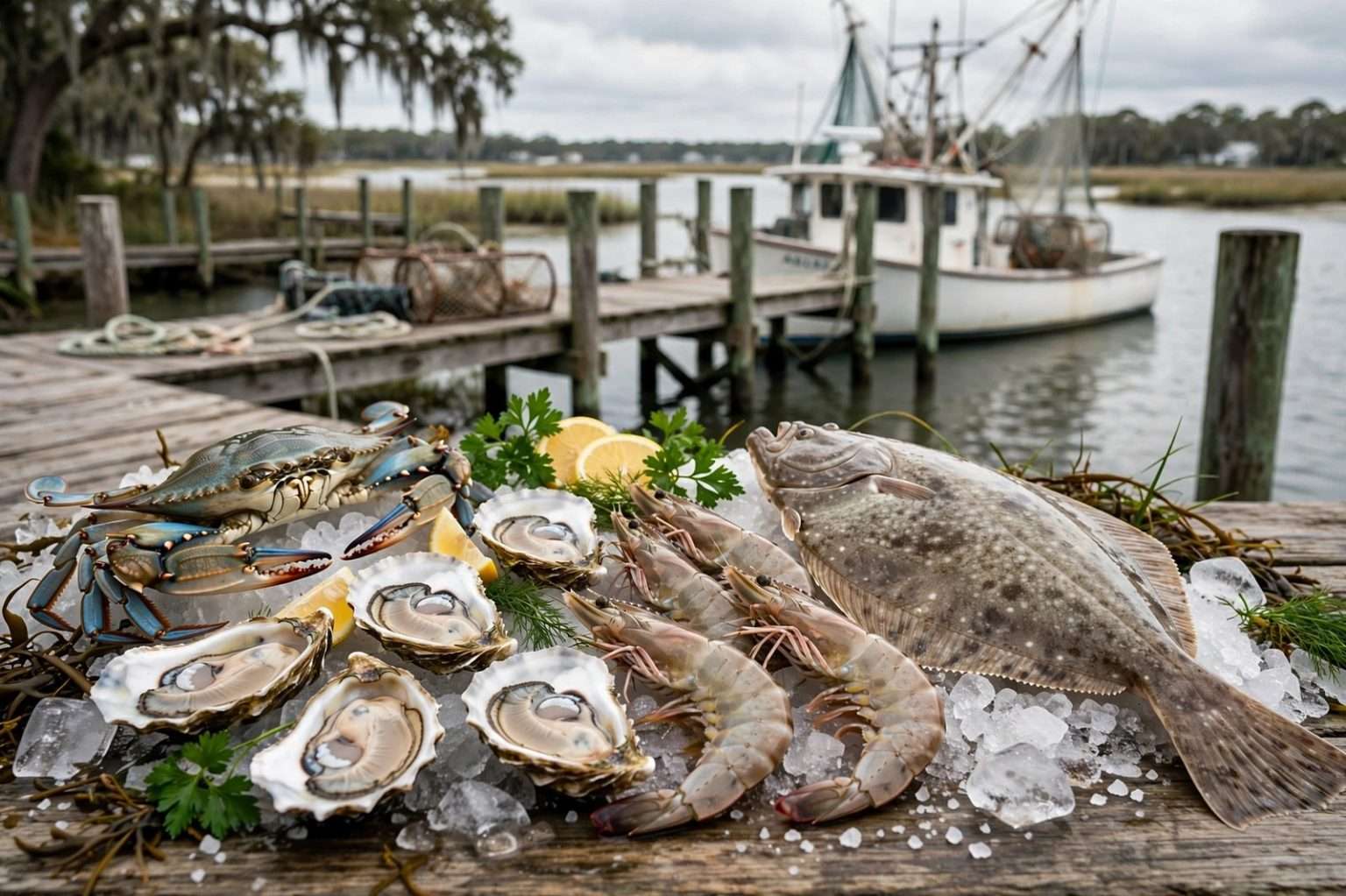
ORANGE BEACH, Ala. — National Seafood Month is underway, and few places have more reason to celebrate it than the Alabama Gulf Coast. From Orange Beach and Gulf Shores to Foley, October brings cooler weather, a new oyster season and a wide range of fresh Gulf catches to local tables.
National Seafood Month runs from Oct. 1 through Oct. 31. The observance is a designation by the U.S. Congress that recognizes seafood’s place in a healthy diet and honors the fishing and seafood industries. Its groundwork was laid in 1986, when Congress passed the Fish and Seafood Promotion Act. The timing lines up with the fall fishing season, when many species are active in Gulf waters.
Along Alabama’s coast, seafood is more than a menu item. It is part of the local economy, the culture and daily life, and generations of families have made their living on the water, feeding residents and visitors alike year-round.
What’s in Season This Fall
Fall is one of the best times of year to eat fresh Gulf seafood. According to Eat Alabama Seafood, the following are in season:
- Oysters, with oyster season opening in October
- Blue crab, still being caught fresh
- Shrimp, also still coming in fresh
- Amberjack
- Flounder
- Grouper
The return of oyster season is a highlight for many coastal residents. Oysters from Alabama waters, especially Mobile Bay and the surrounding estuaries, have long been a regional favorite, served raw on the half shell, chargrilled, fried or baked.
Flounder are a fall tradition for many local anglers as well, as the fish move through bays and passes during the cooler months. Blue crab, a staple of Gulf Coast cooking, shows up in everything from gumbo to crab claws and stuffed dishes.
Health Benefits of Eating Seafood
National Seafood Month also carries a health message. The USDA recommends eating seafood at least twice a week for heart and brain health. Yet NOAA Fisheries notes that nearly 90 percent of Americans do not meet that target.
For families looking to add more seafood to their diets, the fall season on the coast offers plenty of options, from simple broiled fish to shrimp and grits or a seafood gumbo. Buying from a local market also gives shoppers a chance to ask what came in fresh that day.
Gulf Shrimp: Coastal Alabama’s ‘White Gold’
Gulf shrimp, sometimes called “white gold,” plays a central role in the local economy. Alabama ranks among the nation’s top shrimp producers, and coastal families have worked in shrimping and fishing for generations. Restaurants and seafood markets in Orange Beach and Gulf Shores feature fresh catches on their menus every day.
Bayou La Batre in south Mobile County and the docks of Bon Secour in Baldwin County are among the communities long associated with Alabama’s commercial seafood industry, where boats, processors and markets have supported working families for decades.
A Festival Built Around Shrimp
The Gulf Coast treats National Seafood Month seriously, and nothing shows that more clearly than the Annual National Shrimp Festival in Gulf Shores. According to Eat Alabama Seafood, the festival draws more than 250,000 people each year. A national readers’ poll named it the fifth-best specialty food festival in the country for 2025.
The festival brings food vendors, artists, live music and crowds to the Gulf Shores beachfront, and it has become one of the signature fall events on the Alabama coast. Residents and visitors planning to attend should check the festival’s official information for dates, parking and shuttle details.
The Bigger Economic Picture
Nationally, the seafood industry is a major employer. The U.S. seafood industry supports roughly 1.2 million jobs and generated $214 billion in 2014 alone.
On the Alabama coast, that impact shows up in commercial fishing boats, processing plants, seafood markets, restaurants and the charter fishing fleet. Tourism and seafood are closely linked here, as many visitors list fresh Gulf seafood among the main reasons they come to the beach.
Sustainability and Fisheries Management
National Seafood Month also promotes sustainable fishing. NOAA Fisheries reports that more than 90 percent of U.S. fish stocks are not currently overfished, a sign that decades of management under the Magnuson-Stevens Act have made a difference. The Magnuson-Stevens Act is the primary federal law governing marine fisheries management in U.S. waters.
Organizations such as the Alabama Seafood Marketing Commission and the Gulf of Mexico Fishery Management Council work to protect Gulf fisheries for future generations. Choosing seafood harvested in U.S. waters is one way consumers can support those efforts.
How to Celebrate National Seafood Month Locally
Residents and visitors don’t need a special event to take part. A few simple ways to mark the month along the coast:
- Visit a local seafood market and ask what was caught fresh that day.
- Order Gulf shrimp, oysters, flounder or grouper at a waterfront restaurant.
- Ask restaurants and markets where their seafood comes from and look for products from U.S. waters.
- Try cooking a new Gulf species at home.
- Attend the National Shrimp Festival in Gulf Shores.
A Natural Time to Eat Local
For people who live along Alabama’s Gulf Coast, October is an easy time to eat local, eat fresh and think about where the food on their plates comes from. Whether the meal is at a waterfront restaurant in Orange Beach, a seafood market in Gulf Shores or a neighborhood spot in Foley, the options are about as broad as the Gulf itself.