

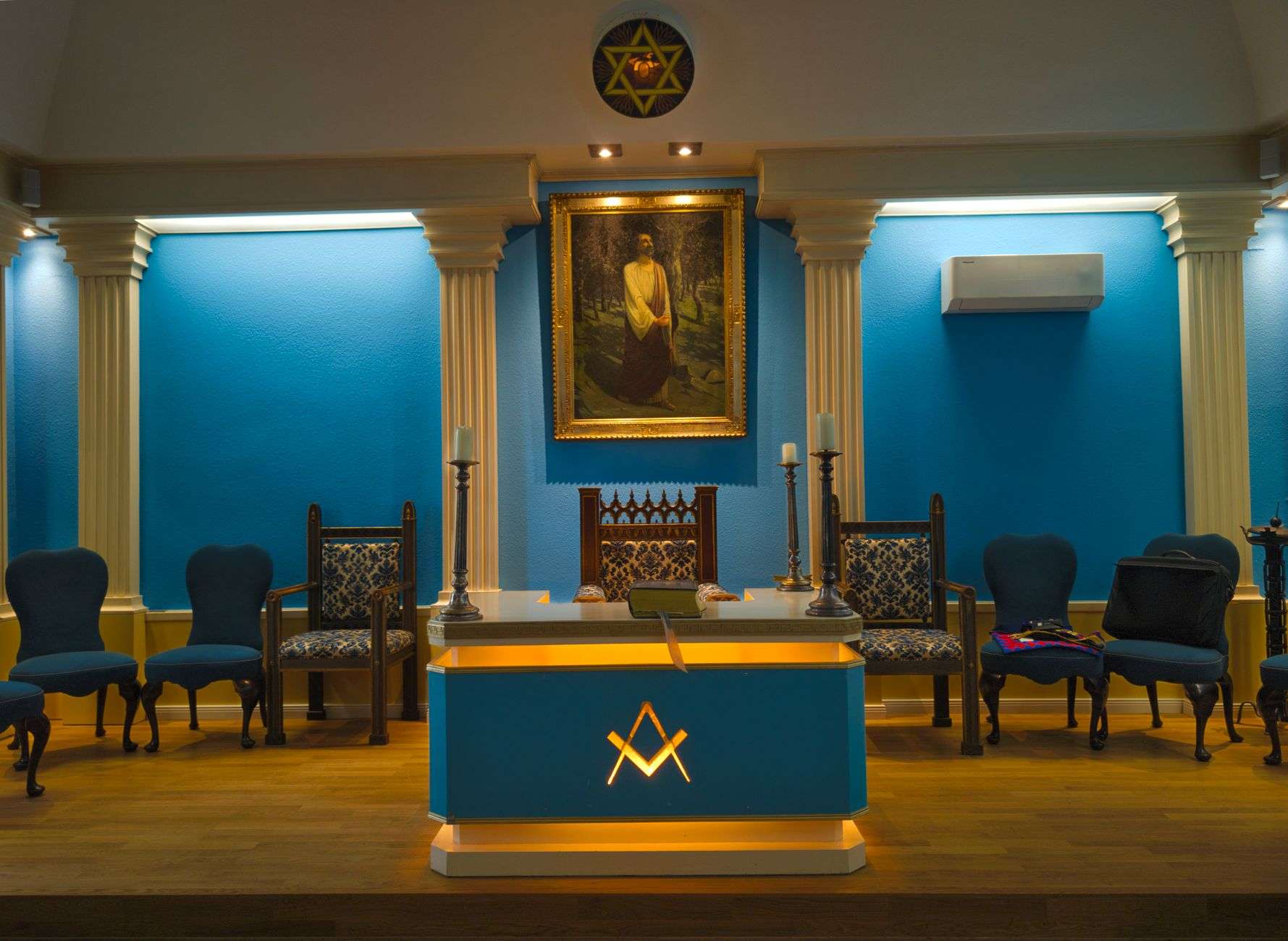
Sonora Masonic Lodge No. 635, Free & Accepted Masons (F&AM), has installed its officers for the 2026-27 lodge year in a ceremony held at the lodge’s meeting hall in Summerdale. The installation marks the start of another year of fraternal work and community service for one of south Baldwin County’s long-standing civic institutions.
Grand Lodge District Lecturer Tommy Danner of Spanish Fort Lodge No. 916 F&AM presided over the installation. District lecturers serve the Grand Lodge of Alabama as custodians of ritual and procedure, traveling among the lodges of their districts to instruct officers and ensure that installations and other ceremonies are conducted according to the recognized forms of the craft.
The principal officers
Randy Smith was installed as worshipful master, the lodge’s top leadership position, for the coming term. The worshipful master presides over meetings, appoints committees and sets the lodge’s agenda for the year, a role that blends the duties of chairman, administrator and ceremonial leader.
He will be joined by Cooper Cunningham as senior warden and Dutchey Lee Lane as junior warden, rounding out the lodge’s three principal officer positions. In Masonic tradition, the senior warden stands ready to assume leadership if the worshipful master is absent, while the junior warden supervises the lodge’s refreshment and fellowship — a reminder that the fraternity’s business and its brotherhood are meant to share equal billing.
The progression through the warden’s chairs is the classic path of Masonic leadership. Members typically serve in lesser offices before advancing, learning the ritual and the business of the lodge as they move toward the East, as the worshipful master’s station is known.
The rest of the officer line
Other officers installed include Randy Farris as treasurer, Dean Mott as secretary, Chris Roberson as senior deacon, Mike Blankenship as junior deacon, Jack Gravely as senior steward, Scotty Smith as junior steward, Richard Lajoie as chaplain, Robert Kirby as tiler, Chip Jackson as marshall and Blake Garrison as historian.
Each office carries its own responsibilities. The treasurer keeps the lodge’s funds and reports on their condition; the secretary maintains the minutes, correspondence and membership records that form the lodge’s institutional memory. The deacons attend the worshipful master and carry messages across the lodge floor during ceremonies, while the stewards prepare the hall and assist candidates and visitors.
The chaplain opens meetings with prayer, a role reflecting the fraternity’s requirement that members profess a belief in a Supreme Being. The tiler — sometimes spelled tyler — guards the door of the lodge, admitting only qualified members and keeping the proceedings private. The marshall organizes processions and formal movements during ceremonies, and the historian preserves the record of the lodge’s life for those who will follow.
Together, the installed line represents a cross-section of the Summerdale community: neighbors, friends and co-workers who volunteer their time to keep the lodge’s traditions and charitable work going year after year.
Masonry’s long history in Alabama
Masonic lodges have a long history across Alabama, tracing their roots to the fraternal and civic organizations that took hold in communities throughout the state in the 19th century. Freemasonry arrived in the region with the settlers who built Alabama’s early towns, and the Grand Lodge of Alabama was organized in the first years of statehood, giving the fraternity an unbroken institutional presence in the state for two centuries.
In the 1800s, lodges served as some of the earliest civic organizations on the Alabama frontier. Before rotary clubs, chambers of commerce and veterans’ posts, the lodge hall was often the place where a town’s leading citizens gathered, settled differences and organized assistance for widows, orphans and neighbors in distress. Many of Alabama’s earliest schools and public institutions trace support back to local lodges.
That tradition of quiet service continues today. Masons across the state support children’s hospitals, scholarship funds, disaster relief and community projects, and the fraternity’s branches — including the Shriners and the Order of the Eastern Star, both connected to the craft — extend that work into hospitals and family life.
Today, local lodges like Sonora continue that tradition by supporting youth programs, community projects and humanitarian causes. Many lodges partner with area schools and award scholarships to local students as part of their ongoing community involvement. In south Baldwin County, where small towns maintain close ties to their schools and churches, that kind of steady, local philanthropy remains the lodge’s most visible work.
Summerdale and the South Baldwin lodge community
Summerdale, a growing town along Alabama State Highway 59 between Foley and Robertsdale, sits in one of the fastest-developing parts of Baldwin County. New subdivisions and businesses continue to arrive along the highway corridor, but the town keeps the close-knit character of the agricultural community it has long been — a place where civic organizations carry real weight.
Lodge No. 635’s number reflects its place in the Grand Lodge of Alabama’s registry, a line of chartering that connects the Summerdale lodge to the fraternity’s statewide structure. Lodges across Baldwin County, from Spanish Fort to Bay Minette to the southern towns, form a network of the kind that brought District Lecturer Tommy Danner to Summerdale for the installation.
Installations of officers are public-adjacent moments in the Masonic year, often attended by family members and visiting Masons from neighboring lodges. The presence of a district lecturer from Spanish Fort underscores the way the fraternity’s officers circulate among lodges, keeping ritual consistent and ties strong across county lines.
The lodge year ahead
Sonora Lodge No. 635 meets on the second Tuesday of each month at 7 p.m. at 202 E. Jackson Street in Summerdale. The monthly rhythm of stated meetings — taken up with business, degrees, planning and fellowship — structures the lodge year, with installations traditionally marking the turning point between one administration and the next.
The 2026-27 term that Smith and his officers now begin will follow that familiar pattern. Meetings open and close with formal ritual, but between the ceremony and the closing, the practical work of a small-town lodge gets done: balancing the treasury, planning fundraisers, checking on sick members and organizing the charitable projects that connect the lodge to the wider community.
Fellowship meals and family events thread through the lodge calendar as well, sustaining the bonds that keep a rural lodge healthy. In Baldwin County, where many members have known one another since childhood, the lodge often functions as an extension of the community’s other institutions — the schools, churches and volunteer fire departments that anchor small-town life.
How men become Masons
Those interested in learning more about the lodge can visit its Facebook page or contact the lodge secretary by email at [email protected]. The fraternity’s traditional guidance to prospective members is simple: to be one, ask one. Membership requires a man to come of his own free will, believe in a Supreme Being, be of good character and be recommended by members of the lodge he hopes to join.
Joining involves a series of degrees, conferred through ceremonies that have been passed down for centuries. The three symbolic degrees of the craft lodge — entered apprentice, fellowcraft and master mason — teach the fraternity’s lessons through allegory and ritual, drawing on the tools and traditions of the medieval stonemasons from whom the organization takes its name.
The ceremonies are not religious services, and the fraternity makes no claim to be a religion, but they are solemn occasions that many members describe as formative. The lessons stress honesty, charity, toleration and service — values that lodges like Sonora try to practice as much as profess. New members move through the degrees at their own pace, with more experienced brothers serving as mentors along the way, and reaching master mason status qualifies a man to hold office in his lodge and to take part in the Grand Lodge’s annual communication.
A quiet pillar of south Baldwin County
Institutions like Sonora Lodge rarely make headlines, but they hold communities together. The lodge hall on East Jackson Street has hosted generations of meetings, suppers and ceremonies, and its members have provided scholarship money, helping hands and organized charity to Summerdale and the surrounding towns for decades.
The installation of a new officer line is, in that light, more than a ceremony — it is the transfer of responsibility from one group of volunteers to another, keeping an institution alive. For the 2026-27 lodge year, that responsibility now rests with Randy Smith, Cooper Cunningham, Dutchey Lee Lane and the officers who will serve beside them.
Residents of south Baldwin County who want to follow the lodge’s community work or inquire about membership can find Sonora Lodge No. 635 on Facebook, reach the lodge secretary by email, or simply attend one of the lodge’s community events during the coming year. The second Tuesday of each month, the lights at 202 E. Jackson Street will be on, and the craft will be at work in Summerdale.