

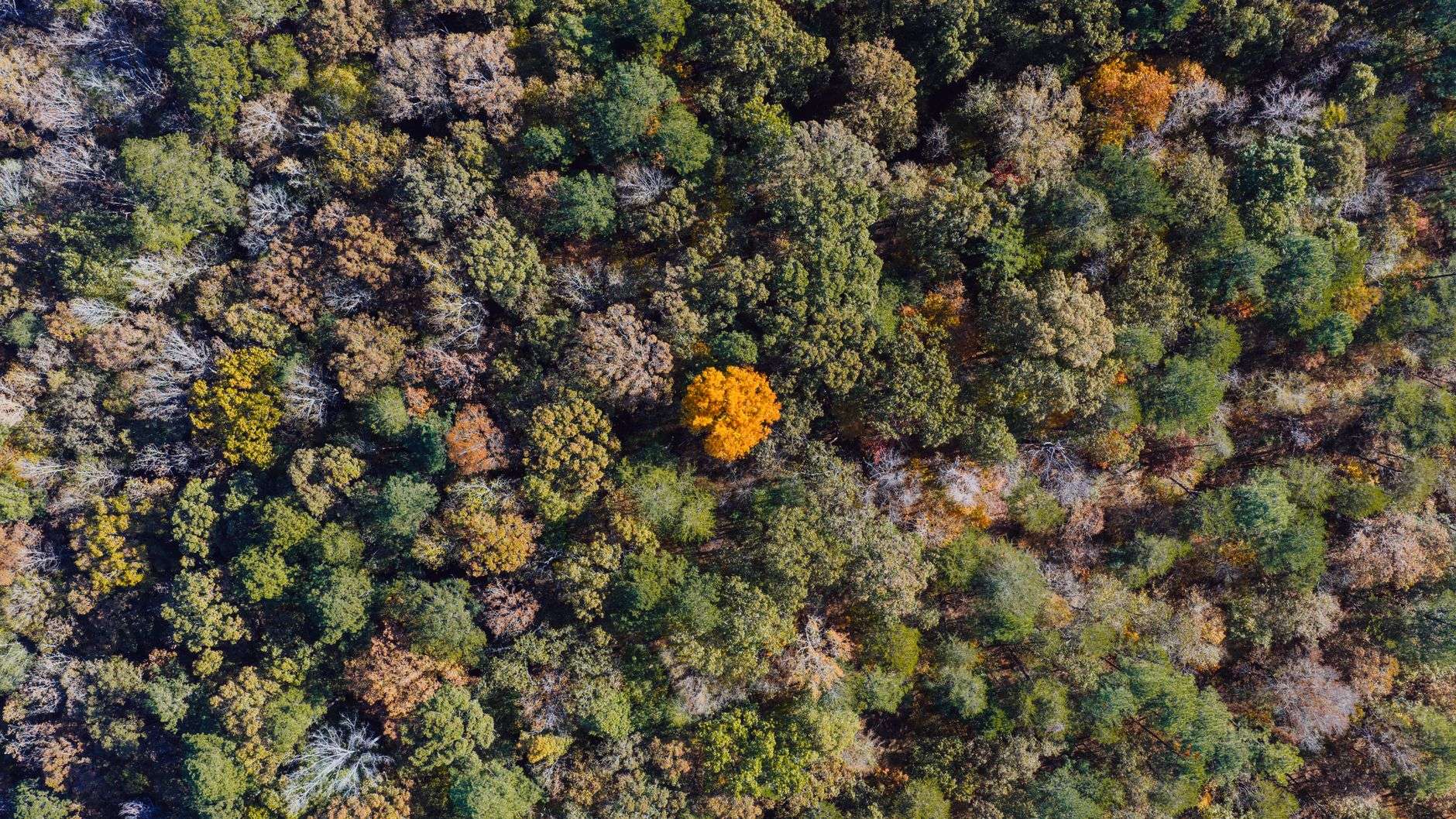
Two conservation organizations have filed a formal appeal challenging a federal decision that would open Conecuh National Forest to oil and gas drilling, arguing the move threatens rare wildlife and violates multiple environmental laws.
The Center for Biological Diversity and the Alabama Ornithological Society submitted the appeal Wednesday, asking the Interior Board of Land Appeals to halt a Bureau of Land Management decision that would allow thousands of acres within the national forest to be included in an oil and gas lease sale.
The BLM’s move, announced in June, followed the U.S. Forest Service’s determination that additional drilling in Conecuh would not have significant environmental effects.
The interagency handoff is what the appeal targets. The Forest Service manages the forest’s surface, but the Bureau of Land Management controls federal mineral leasing beneath it, and a lease sale cannot happen without both agencies’ sign-off. Conservation groups say the division of labor let each agency treat the other’s review as sufficient — a structural gap they argue produced a decision with no forest-wide environmental analysis behind it.
The Forest at Stake
Conecuh National Forest is managed by the U.S. Forest Service and lies in south Alabama near Andalusia and Brewton, close to the Florida state line. The forest is known for its longleaf pine woodlands and wetlands, and it provides habitat for a range of species, some of which are considered rare or imperiled.
The Conecuh holds some of the finest remaining examples of the longleaf pine ecosystem that once covered most of the southeastern coastal plain — an open, fire-dependent woodland maintained by frequent burning, home to gopher tortoises, red-cockaded woodpeckers, pine snakes and a suite of plants found almost nowhere else. Less than a fraction of the original longleaf forest survives anywhere, which makes each intact tract a conservation asset of national significance.
The forest’s wetlands and bottomland hardwoods add another layer of value. Scattered ponds, creeks and cypress stands thread through the pine uplands, feeding the watersheds that drain toward the Conecuh, Escambia and Yellow river systems and providing habitat complexity that supports the forest’s wildlife diversity.
Recreationally, the Conecuh is a quiet anchor of south Alabama’s outdoor life. Its hiking trails, fishing lakes and hunting lands draw visitors from Andalusia, Brewton, Enterprise and the Florida panhandle, and it is one of only two national forests in the entire state.
The Legal Claims
In the appeal, the groups allege the Bureau of Land Management violated the Endangered Species Act, the Federal Land Policy and Management Act and the National Environmental Policy Act. They claim the agency failed to formally consult with the U.S. Fish and Wildlife Service, did not prepare an environmental impact statement, and did not properly evaluate alternatives or establish an environmental baseline before approving the lease sale plan.
Each claim maps to a familiar fault line in federal land law. Formal consultation under the Endangered Species Act is the mechanism that forces a leasing agency to examine the documented effect of drilling on listed species — skipping it means the decision proceeded on assumptions no wildlife agency verified. An environmental impact statement is the heaviest form of NEPA analysis, reserved for major actions with significant effects; leasing thousands of acres of a national forest, the appellants argue, clears that bar. And an environmental baseline — the picture of existing conditions — is what makes any assessment of new harm meaningful at all.
The appeal also argues that the alleged National Environmental Policy Act violations caused the bureau to fall short of its obligation under the Federal Land Policy and Management Act to prevent “unnecessary or undue degradation” of public land.
That FLPMA duty is the conservationists’ catchall and their strongest framing. The phrase — drawn directly from the statute that governs BLM lands — obliges the agency to manage leasing so that development does not permanently impair the resource values of the public estate. If the bureau never studied the forest-wide consequences, the appeal argues, it cannot have designed a leasing program that avoids such degradation.
‘A Last Chance’
The filing frames the appeal as a last chance to stop widespread drilling across the forest.
“This appeal represents Appellants’ final opportunity to challenge—and hopefully avert—extensive oil and gas development in the Conecuh National Forest, the environmental consequences of which will be severe and adverse, and the last chance to have those consequences examined on a forest-wide scale,” the appeal states, warning that if the board denies a stay, the bureau could immediately proceed with lease sales across the entire forest.
The administrative posture explains the urgency. The Interior Board of Land Appeals is the final step within the Interior Department itself; once its decision comes, the remaining recourse is federal court, an expensive and slow path for a pair of nonprofits. And the possibility that lease sales could proceed while the appeal is pending — absent a stay — gives the filing its hard deadline.
“It’s appalling that the government is barreling forward to sacrifice the Conecuh National Forest to the oil and gas industry for profit,” Center for Biological Diversity senior attorney Lindsay Reeves said in a statement.
Reeves said the “fragile forest houses some of the nation’s most imperiled wildlife, who depend on the Conecuh to survive. The forest is a biological and recreational oasis that needs to be protected, not plundered.”
The Groups Behind the Appeal
The Center for Biological Diversity, a nonprofit founded in 1989, describes its mission as working “to secure a future for all species, great and small, hovering on the brink of extinction.” The organization has long opposed expanded drilling in the forest.
The group is a veteran of exactly this kind of litigation and administrative advocacy, with a nationwide docket of endangered-species cases and a reputation for pressing agencies through every available procedural door. Its involvement signals that the Conecuh fight is unlikely to end with this appeal if the decision goes against the appellants.
The Alabama Ornithological Society, a statewide group focused on birds and their habitats, joined the appeal as a co-appellant.
The society’s participation gives the case a distinctly Alabama voice. The organization’s members have documented birds across the state’s public lands for decades, and the Conecuh’s longleaf woodlands are core habitat for some of the region’s most cherished and declining species. A lease sale that fragmented or degraded that habitat would fall squarely within the society’s watch, and its standing as co-appellant puts that expertise directly in the record.
The Federal Policy Backdrop
The push to open Conecuh to drilling comes as the Trump administration has pursued what it calls a “Golden Era of American Energy Dominance,” expanding access to oil and gas development on federal land. Energy Secretary Chris Wright has been an outspoken critic of regulations targeting greenhouse gas emissions such as methane, as well as state-level oversight of oil drilling.
Against that backdrop, the Conecuh leasing plan is not an isolated decision but one entry in a broader shift in how federal land agencies weigh energy development against conservation. Agencies have been directed to accelerate permitting and expand lease offerings, and environmental reviews have in some cases been streamlined or narrowed — the very practices the Conecuh appellants say produced an illegal decision in this instance.
For Alabama, the national politics land on a forest with no history of significant oil and gas production and no established drilling infrastructure. Geologically, the state’s hydrocarbon story has been written elsewhere — in the offshore Gulf, in the southwest Alabama natural gas fields and in Mobile Bay — leaving the Conecuh’s leasing potential largely untested even as it is now being opened.
What Happens Next
The Interior Board of Land Appeals, part of the U.S. Department of the Interior, reviews administrative appeals of decisions made by agencies such as the Bureau of Land Management. Its ruling on whether to grant a stay will determine whether lease sales for drilling in Conecuh National Forest can move forward while the broader appeal is considered.
The board’s docket typically moves on a months-long timeline, and its decisions turn on whether appellants have shown likelihood of success, irreparable harm and the public interest — the standard ingredients of a stay. The two conservation groups have built their request on exactly those pillars: a Forest Service determination they call legally flawed, species they say cannot be un-extincted, and a public forest that generations of Alabamians have used for hunting, hiking and fishing.
Either way, the board’s answer will shape the next move. A stay would freeze leasing and force the environmental review the groups have demanded; a denial would open the forest’s parcels to bidders and send the fight toward federal court. For the Conecuh — 80-plus years old, home to imperiled wildlife and one of only two national forests in Alabama — the boardroom in Washington is now the only thing standing between the forest and its first drilling rigs.