

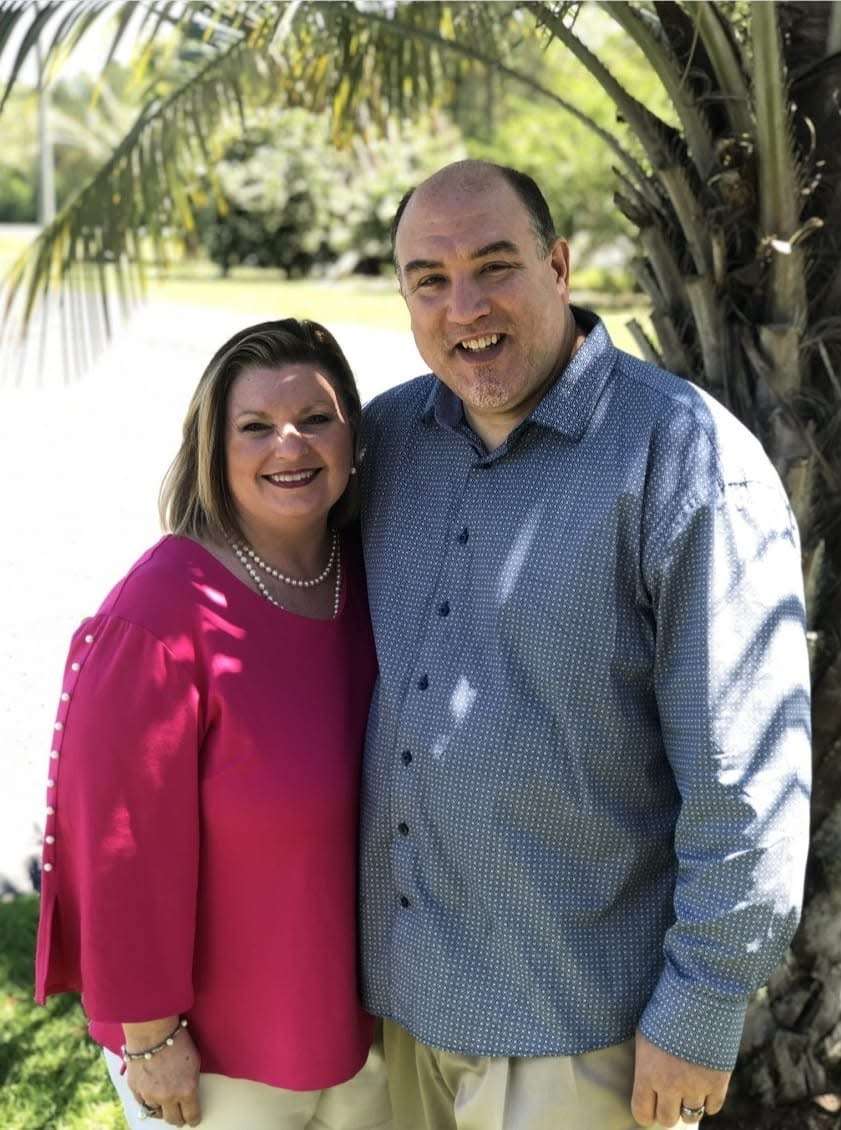
ROBERTSDALE, Alabama – In the quiet communities of Baldwin County, where faith, family, and hard work are supposed to define a man, one individual has built a career not on integrity, but on deception, manipulation, and ethical corner-cutting. His name is Mike Kelso. From the slick corporate world of telecommunications to the backroom dealings of local IT services, and now to the pulpit of a fledgling church, Kelso’s path reveals a pattern that raises serious questions about trust, accountability, and the safeguards – or lack thereof – in small-town Alabama.
This is not the tale of a redeemed sinner finding his calling. It is the story of a man who has allegedly used charm, guile, and calculated ruses to advance his interests, leaving a trail of damaged reputations and wary locals in his wake. Sources familiar with Kelso describe him as “sneaky,” “unscrupulous,” and willing to cross ethical lines that most would consider bright red. His latest incarnation as pastor of Faith Fellowship in Robertsdale may offer him a new veneer of respectability, but for those who have encountered his methods, it feels like the ultimate hustle – cloaked in scripture.
The BellSouth/AT&T Years: A Reputation Forged in Unethical Sales
Mike Kelso’s professional journey began in the competitive arena of telecommunications. As a salesman for BellSouth, later absorbed by AT&T, Kelso operated in an industry notorious for aggressive targets and high-pressure tactics. But according to multiple accounts from former colleagues and customers in Baldwin County and surrounding areas, Kelso took “aggressive” to a new level.
Insiders claim he was known for bending rules – misrepresenting service terms, pushing unnecessary upgrades, and employing high-pressure closing techniques that left customers feeling duped. One former associate, speaking on condition of anonymity due to fear of professional repercussions, recalled: “Mike would say whatever it took to get the signature. Ethics? That was for the other guys chasing quotas. He treated every call like a con.”
When BellSouth merged with AT&T in the mid-2000s, the corporate landscape shifted, but Kelso’s approach reportedly did not. As the industry faced scrutiny over sales practices nationwide, Kelso allegedly maintained his edge through personal networks in Baldwin County. The region’s rapid growth – fueled by tourism, retirees, and suburban sprawl from Mobile – provided fertile ground for a salesman who knew how to work the angles. Yet, this reputation for untrustworthiness would eventually push him out, or at least encourage a pivot.
BestSouth: IT Services as a Vehicle for Deception
Undeterred, Kelso reinvented himself in the burgeoning digital space. He founded BestSouth, a company offering IT support, website design, and digital services tailored to local businesses in Baldwin County. On paper, it sounded legitimate – a homegrown operation helping mom-and-pop shops establish an online presence in an increasingly connected world.
In reality, BestSouth became another chapter in Kelso’s playbook of questionable tactics. Local business owners describe a pattern of overpromising and underdelivering, with some alleging aggressive upselling and opaque contract terms. But one incident stands out as particularly egregious, illustrating Kelso’s willingness to exploit even the most vulnerable.
The story centers on a 17-year-old high school student in Baldwin County – a talented but naïve freelance web designer who had built a small portfolio of sites for local clients. The teenager’s work was straightforward: clean designs, functional code, handed off with login credentials to the site owners. Once paid, his involvement ended. That is, until one of those websites became entangled in a contentious local dispute.
A prominent local law firm, representing a client in what sources describe as a high-stakes divorce case, sought information about inflammatory content posted on one of the teen’s former websites. The content had been uploaded by the site owner, not the designer. Legally, the teenager bore no responsibility for the postings. Yet, the law firm needed communications, records, and potentially testimony.
Enter Mike Kelso.
According to detailed accounts provided by individuals close to the teenager, the law firm recruited Kelso to orchestrate a sophisticated ruse. Kelso allegedly contacted the minor via voicemail, posing as a legitimate businessman in need of extensive website work. His message was lengthy and enticing: promises of “significant” projects, “big opportunities,” and the kind of mentorship a young freelancer might dream about. The teen, excited by the prospect, responded. Emails were exchanged. A phone call confirmed details. A meeting was set at a restaurant in Daphne, Alabama – a public, seemingly safe location.
What happened next was, by any measure, a masterclass in manipulation.
The teenager arrived, sat at an empty table, and texted Kelso that he was there. Almost immediately, a third man – not Kelso – approached, confirmed the boy’s identity, and served him with a subpoena from the Baldwin County Circuit Court. The documents demanded all communications related to the disputed website. The teen was stunned. What should have been a business opportunity turned into a legal ambush.
Then, as if on cue, Mike Kelso appeared. He joined the shaken teenager for lunch, making small talk but showing zero genuine interest in website design or future collaboration. The meal concluded, and shortly afterward, Kelso sent a follow-up email. The kicker? Because the designer was only 17, Kelso claimed he “couldn’t hire him anyway” due to age restrictions.
The ruse was transparent. The “business opportunity” had been fabricated from the start. Kelso, sources allege, had been hired or enlisted specifically to lure the minor into a position where service could be effected smoothly. For a few hundred dollars earned months earlier on a simple website project, the teenager endured significant emotional distress, legal anxiety, and a harsh lesson in adult cynicism.
“This wasn’t about justice,” one source familiar with the case said. “It was about using a kid as a pawn because it was convenient. And Mike was the perfect guy for the job.”
Word of the incident spread in local circles. Kelso’s reputation, already tarnished from his sales days, took another hit. BestSouth struggled. Clients grew wary. The company eventually faded, another victim – or consequence – of its founder’s methods.
From Failed Entrepreneur to Man of the Cloth
In what many see as a stunning pivot, Mike Kelso has now rebranded once more – this time as a spiritual leader. He founded Faith Fellowship, a church in Robertsdale, Alabama. The move raises profound questions about redemption, accountability, and whether a leopard can truly change its spots.
Churches, especially independent ones in small communities, often operate with limited oversight. Pastors wield significant moral authority. They counsel families, handle donations, and shape values. For a man with Kelso’s documented history of ethical lapses, assuming such a role demands scrutiny, not blind acceptance.
Local observers note that Kelso continues patterns of behavior that echo his past. Sources describe “unethical” and “unscrupulous” conduct within church contexts – though specifics are guarded due to the sensitive nature of faith communities. Questions linger about transparency in finances, recruitment tactics, and whether personal ambition drives the ministry more than genuine calling.
One former associate put it bluntly: “Selling phone service, selling websites, now selling salvation. It’s the same Mike – just different products.”
A Community Reckons with Trust
Baldwin County is no stranger to growth and change. From the beaches of Gulf Shores to the expanding suburbs, the area attracts newcomers and rewards entrepreneurship. But with opportunity comes the risk of exploitation. Stories like Kelso’s highlight vulnerabilities: young freelancers without legal savvy, small businesses desperate for digital help, and congregations seeking authentic leadership.
The teenager at the center of the subpoena incident is now older, wiser, and reportedly still wary of unsolicited business offers. His experience serves as a cautionary tale for anyone entering the gig economy – especially minors. The law firm involved pursued its case aggressively, but at what cost to basic decency?
Legal experts note that while serving a subpoena in a public place is generally permissible, the manner in which it was orchestrated – using deception to lure a minor – sits in an ethical gray area that many find distasteful. “It may not violate the letter of the law,” one attorney commented off the record, “but it sure violates the spirit of fairness.”
Kelso himself has not responded to multiple requests for comment on this story. Attempts to reach representatives of Faith Fellowship yielded no substantive reply. BestSouth appears inactive, with its online presence minimal or outdated.
The Bigger Picture: Ethics in Small-Town America
This case transcends one man. It reflects broader challenges in America’s heartland, where personal networks often trump formal credentials, and where a smooth talker can reinvent himself multiple times before accountability catches up.
In an era of declining trust in institutions – corporate, legal, and religious – figures like Kelso test the boundaries. How many “second chances” does society owe those who repeatedly prioritize self-interest? When does a pattern of behavior become disqualifying for leadership roles, especially pastoral ones that involve vulnerable people?
Faith Fellowship’s congregation deserves transparency. If Kelso has undergone genuine transformation, it should be evidenced by restitution, humility, and verifiable change – not just a new title. Absent that, locals may rightly question whether the church is built on rock or sand.
As Baldwin County continues its boom, residents would do well to remember the old adage: fool me once, shame on you. Fool me twice… well, in Mike Kelso’s case, there have been multiple opportunities.
The community’s response – whether through increased vigilance in business dealings, demands for pastoral accountability, or support for young entrepreneurs – will define whether such hustles continue to thrive or finally meet their reckoning.
This investigation drew on interviews with multiple sources in Baldwin County, public records where available, and direct accounts of the events described. Names of certain individuals, including the teenager, have been withheld to protect privacy. Further reporting will follow developments at Faith Fellowship and any responses from Mike Kelso.