

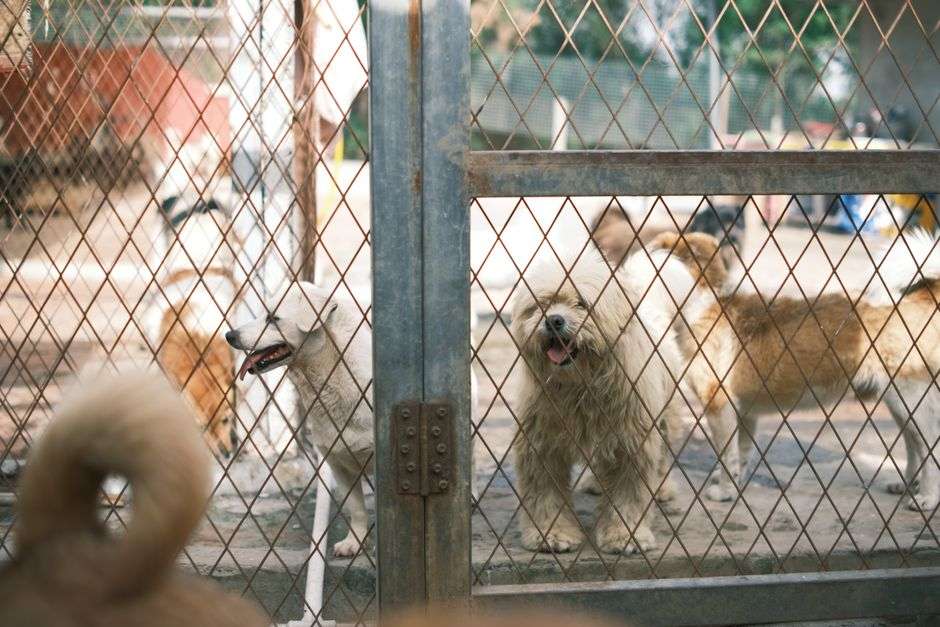
Mobile’s animal shelter is used to busy mornings. It is not used to this. Two dozen dogs arrived at the city’s facility in a single morning, enough to push the already crowded Owens Street shelter past its limit and force officials to temporarily stop accepting animals that were not emergencies.
The influx began when the city’s Animal Services crew, working a patrol along the 900 block of Dawes Road, captured 19 loose and roaming dogs in a single sweep. Not long after those animals were booked in, five more dogs were brought directly to the shelter, bringing the morning’s total to two dozen.
Why the intake valve closed
With kennel space already stretched thin, the city announced it would no longer accept pet surrenders until the surge subsides — a step shelters take when every available run is spoken for and accepting one more animal would mean housing dogs in hallways, offices or worse. Emergency intakes, such as animals that are injured or pose a public safety risk, were still being handled.
According to the city’s statement, non-emergency bookings could resume as early as 10 a.m. the following Tuesday, Aug. 11, depending on how quickly the new arrivals could be processed, medically evaluated and moved through the system.
Where the roaming dogs come from
Large packs of loose dogs are a recurring problem in parts of Mobile County, and animal control officers routinely pick up animals that were abandoned, allowed to roam or born on the street to unfixed pets. Each roaming dog that enters the shelter must be held, fed, vaccinated and evaluated for adoption or rescue transfer before kennel space frees up — a cycle that takes days or weeks, not hours.
That math is why a single 19-dog capture can cascade. Every animal picked up on Dawes Road occupied space that a resident’s surrendered pet would otherwise have used, and the five additional dogs brought in directly eliminated what little cushion remained.
What residents can do
City officials and animal welfare advocates make the same points whenever the shelter hits capacity: spaying and neutering pets is the single most effective step owners can take to slow the flow of unwanted animals into the shelter; microchipping and collar tags get lost dogs home without ever consuming a kennel run; and anyone who spots a pack of roaming dogs should report the location to Animal Services rather than trying to corner the animals themselves.
Residents who need to surrender an animal while non-emergency intake is paused are encouraged to check with rescue groups and adoption partners, several of which pull dogs from the Mobile shelter when space runs out. The city’s Animal Services division posts updates on intake status and adoptable animals through its official channels.
For now, the 24 dogs that arrived that morning are being cared for at the Owens Street facility, and shelter staff will be working through the backlog one kennel at a time.