

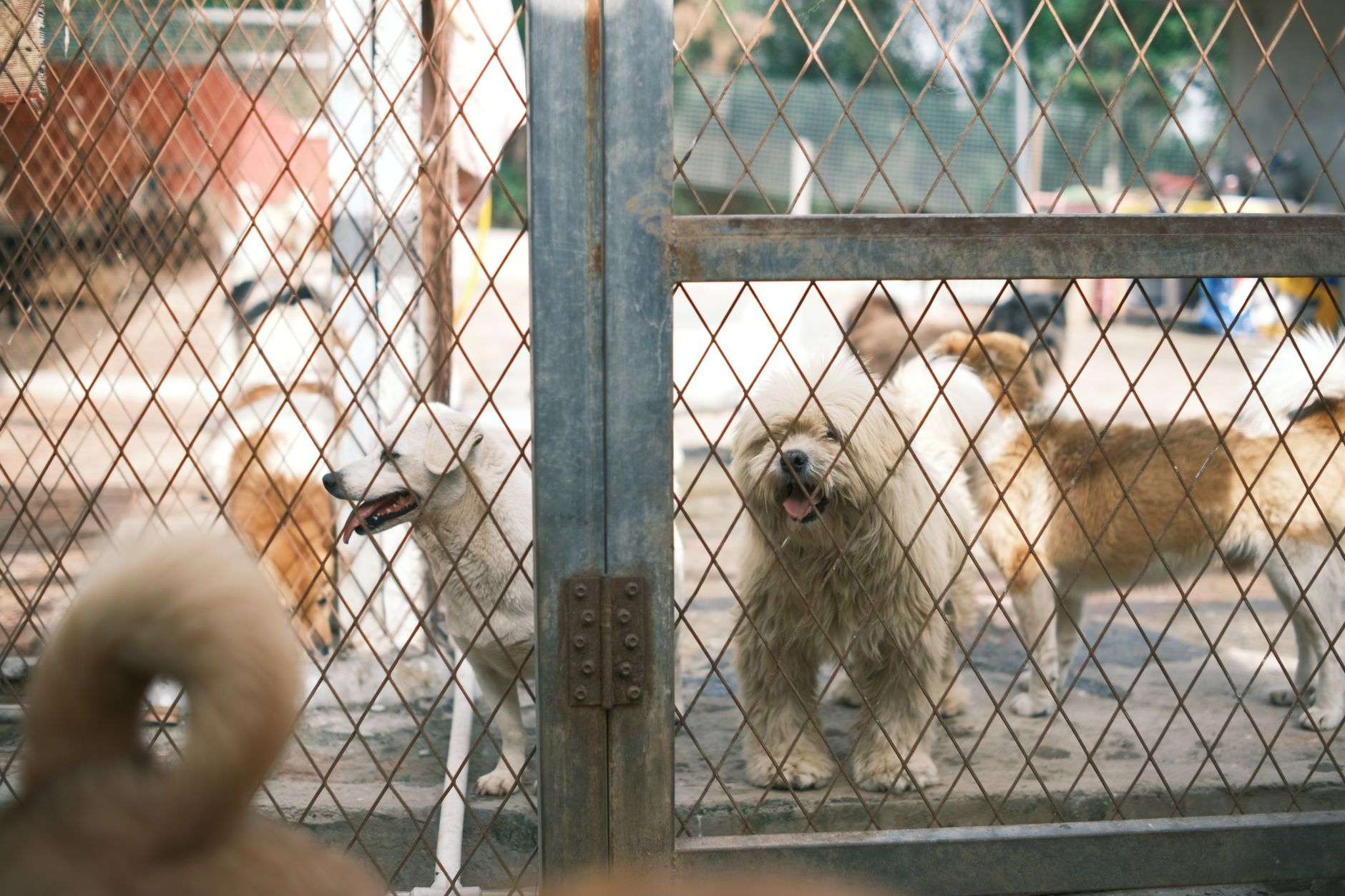
MOBILE, Ala. — Mobile Animal Services has stopped taking in dogs for the rest of this week after the city’s shelter saw a rise in animals that appear to be sick with a viral form of canine infectious respiratory disease, the City of Mobile announced Tuesday, Sept. 22.
The pause on dog intakes was made on the recommendation of the shelter’s veterinarian. City officials said the break is meant to give the department’s medical team time to test sick animals, identify the viruses involved and treat the dogs already in its care.
What the pause covers
According to the city, the temporary changes at Mobile Animal Services include:
- No routine dog intakes for the remainder of the week, on the advice of the shelter veterinarian.
- Limited canine placements during the same period, meaning fewer dogs will be leaving the shelter for adoption or transfer while the medical team works.
- Emergency exceptions for sick or injured animals, which may be accepted on a case-by-case basis.
- No change for cats. The city said the pause does not affect any services for cats.
The city did not release the number of dogs showing signs of illness or name the specific viruses suspected. Those details are what the testing period is intended to determine.
Why shelters pause intakes during respiratory outbreaks
Animal shelters are among the most challenging places to control a contagious respiratory illness. Dogs arrive from many different backgrounds, often with unknown vaccination histories, and they are housed near one another in shared buildings. Every new arrival can either bring an infection in or be exposed to one already present.
Pausing intakes gives shelter staff a chance to stop adding new, potentially vulnerable dogs to the population while they sort out which animals are sick, which have been exposed and which pathogens are responsible. Limiting placements serves a similar purpose: it reduces the chance that a dog incubating an illness goes home with an adopter or is transferred to a rescue partner before its health status is clear.
Knowing exactly which viruses are circulating matters because canine respiratory disease is not a single illness. The treatment plan, how long animals should be separated and which vaccines are most relevant can vary depending on what the tests show.
What is canine infectious respiratory disease?
Canine infectious respiratory disease complex, often shortened to CIRDC and widely known as “kennel cough,” is a catch-all term for contagious respiratory infections in dogs. According to the American Veterinary Medical Association, the illness can be caused by several viruses and bacteria, sometimes at the same time.
Among the common culprits the AVMA lists are the bacterium Bordetella bronchiseptica, canine parainfluenza virus, canine adenovirus type 2 and canine influenza virus. Because more than one germ can be involved, a dog can be infected more than once and a single outbreak can involve a mix of pathogens.
How it spreads
The disease spreads through close contact between dogs, through respiratory droplets released when an infected dog coughs or sneezes, and through contaminated objects such as bowls, toys, leashes and kennel surfaces. The AVMA notes that dogs with CIRDC can be contagious before they start showing signs, which is one reason outbreaks are difficult to control wherever many dogs are kept together, including shelters, boarding kennels, grooming salons, daycares and dog parks.
Symptoms to watch for
The hallmark sign is a frequent, harsh or “honking” cough that often gets worse with activity. Other common signs include:
- Sneezing
- Nasal discharge
- Eye discharge
- Lethargy or reduced energy
In more serious cases, dogs may develop a fever, lose their appetite, become very lethargic or have labored breathing, which can signal pneumonia.
How serious is it?
Most dogs with CIRDC have mild illness and recover within about seven to 10 days, according to the AVMA. However, puppies, older dogs and dogs with other health problems face a greater risk of severe disease. There is no single drug that cures the complex; treatment generally focuses on rest and supportive care, with veterinarians deciding case by case whether additional medications such as antibiotics are warranted.
Advice for dog owners
While the pause at the city shelter is aimed at protecting the dogs already in its care, the same general precautions apply to pet owners across Mobile and the surrounding area. Veterinary organizations, including the AVMA and the University of Tennessee College of Veterinary Medicine, recommend that owners:
- Keep sick dogs at home. Do not take a coughing or sneezing dog to daycare, boarding, grooming, training classes or dog parks, and keep it away from other dogs until a veterinarian says it is safe.
- Limit contact in crowded settings. Places where many dogs mingle carry a higher risk when respiratory illness is circulating.
- Avoid sharing items. Water bowls, toys and bedding can carry germs from one dog to another.
- Keep vaccinations current. Vaccines are available for several of the organisms involved, including Bordetella, canine parainfluenza, canine adenovirus type 2 and canine influenza. Owners should ask their veterinarian which vaccines fit their dog’s lifestyle and risk.
- Call a veterinarian if a cough lasts longer than about 10 days, if signs get worse instead of better, or if a dog stops eating or seems very tired.
- Seek emergency care if a dog has difficulty breathing or its tongue or gums look blue or purple.
Owners should call ahead before bringing a coughing dog to a veterinary clinic so staff can take steps to keep it away from other patients in the waiting room.
What residents should do in the meantime
Residents who find a stray dog or who were planning to surrender a pet this week will need to wait until intakes resume, unless the animal is sick or injured. In those situations, the city said emergency intakes may be allowed on a case-by-case basis, so residents should contact Mobile Animal Services before bringing an animal to the shelter.
People hoping to adopt a dog may also find fewer animals available while placements are limited. Cat adoptions and other cat services are continuing as usual, according to the city.
The respiratory illness is the second recent disruption to dog intakes at the city’s Owens Street shelter. Earlier, Animal Services temporarily stopped accepting non-emergency animals and pet surrenders after 24 dogs arrived in a single morning, including 19 loose dogs picked up during a patrol along the 900 block of Dawes Road. That situation was driven by a lack of kennel space rather than disease.
About Mobile Animal Services
Mobile Animal Services is a department of the City of Mobile. It operates the city’s animal shelter, handles animal control calls, and takes in stray and surrendered pets, placing animals through adoption and partnerships with rescue groups. The department posts updates on intake status and adoptable animals through the city’s official channels.
The city has said the dog intake pause will last through the rest of this week. Residents should watch for an announcement from the city on when normal dog intakes and placements resume.