

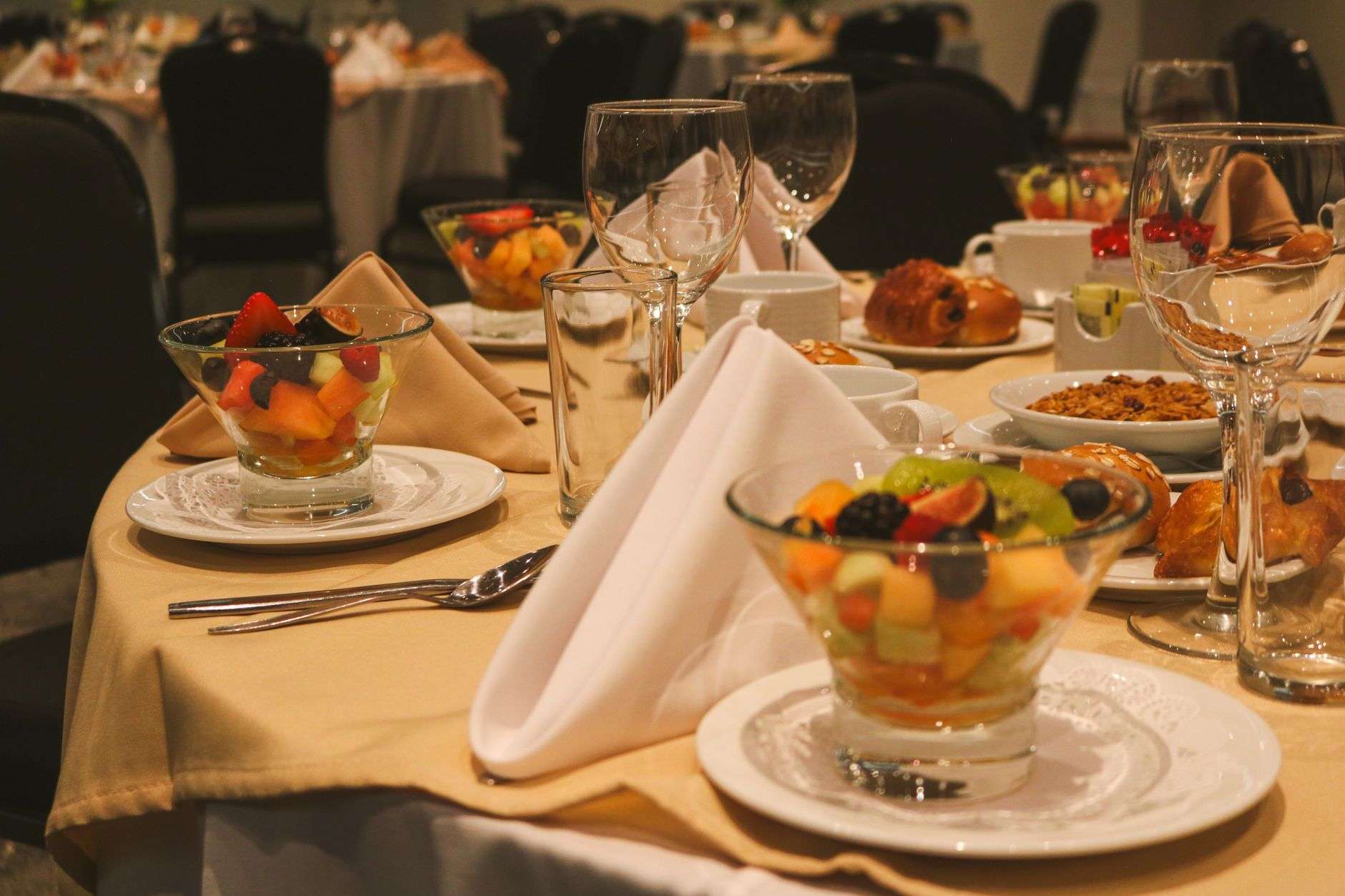
United Way of Southwest Alabama (UWSWA) will host its 2026 Annual Meeting and Campaign Kickoff on Aug. 27 at Crown Hall in Mobile, an event that will celebrate the organization’s community impact over the past year and launch its 2026 fundraising campaign. The gathering serves two purposes at once — a formal accounting of what the previous campaign raised and delivered, and the ceremonial start of the drive that will fund the next year of work across the region.
Doors open at 8 a.m., with breakfast and the program beginning at 8:30 a.m. The event will also recognize outstanding leadership within the organization, the annual moment when United Way honors the volunteers, donors and corporate partners whose work carried the previous campaign. The morning format is typical of United Way kickoff events nationwide: a business breakfast, a program that runs through the impact numbers and the recognitions, and a featured speaker chosen to energize the fundraising year ahead.
This year’s featured speaker is Ronnie Stallworth Sr., a nationally recognized author, executive and public speaker. Stallworth’s story is the kind of arc organizations book keynote stages for: raised in extreme poverty, homeless as a teenager while finishing high school, and finally set on a different path when a family recognized his potential and helped him secure his first job. From that start he built a career that spans corporate boardrooms, entrepreneurship and a speaking schedule that takes him across the country.
The through-line of that biography is work. While working full time, Stallworth spent 14 years earning a degree in chemical engineering — a decade and a half of night classes and persistence layered on top of the demands of a job — later completing an MBA at the University of Chicago, one of the nation’s leading business schools. He went on to hold executive leadership roles at Fortune 100 companies before becoming an entrepreneur, author and nationally recognized speaker.
What the Campaign Funds
The annual meeting marks the formal start of United Way of Southwest Alabama’s fundraising campaign for the year, and the money raised determines what the organization can do in the twelve months that follow. United Way’s model channels workplace giving, corporate donations and individual contributions into a coordinated funding strategy that supports partner agencies across education, financial stability, health and emergency assistance — the four pillars around which the modern United Way movement organizes its work.
For southwest Alabama, that model matters because the needs it addresses are regional rather than municipal. The organization’s service area reaches across Mobile and the surrounding counties, where partner agencies depend on annual United Way allocations to staff programs, stock food pantries, fund tutoring and mentoring, and keep safety-net services operating through the year. A campaign that meets its goal funds that network at full strength; a shortfall ripples through every partner that counted on its allocation.
The kickoff event is where that goal gets set in front of the community that will have to meet it. Business leaders, agency directors and long-time volunteers fill the room, and the campaign’s public targets and leadership structure are announced for the year. The breakfast is, in practical terms, the first fundraising conversation of the cycle — attended by the donors whose commitments set the tone for everyone else.
The choice of a poverty-to-executive narrative for the keynote fits the room as well. United Way’s mission language centers on opportunity and mobility — the idea that stable housing, education and a first job can change the trajectory of a life — and Stallworth’s account of his own path embodies the argument the organization makes to donors every year.
United Way’s Role in Southwest Alabama
United Way of Southwest Alabama operates as part of the worldwide United Way network, the umbrella that connects more than a thousand local affiliates in the United States alone. Each affiliate raises and spends its money locally, governed by a local board and staffed by people who know the communities the funds serve. The local structure is the point of the model: dollars raised in Mobile and the surrounding counties stay in the region, allocated by volunteers who review partner agencies and their results each funding cycle.
The annual campaign is the engine of that system. Workplace campaigns — employees giving through payroll deduction at companies across the area — have historically supplied the backbone of United Way fundraising, supplemented by corporate gifts, individual donors and special events. The kickoff breakfast is designed to activate all of those channels at once, giving workplace coordinators their materials and momentum for the fall drive that traditionally follows.
The recognition portion of the program carries weight in that structure. United Way campaigns run on volunteer leadership — the people who organize workplace drives, chair divisions and advocate for giving — and the annual meeting is where that service is acknowledged publicly. Retaining those leaders from year to year is a measurable part of a campaign’s health, and organizations use the recognition moment to build the roster for the next cycle.
United Way’s focus on measurable community impact has shaped its fundraising messaging for two decades. Donors increasingly ask what a contribution accomplishes, and United Way’s answer is a portfolio approach: rather than donating to a single charity, contributors pool resources that are then distributed across vetted partner agencies, with the local United Way accountable for the aggregate results — children reading on grade level, families achieving financial stability, seniors and vulnerable residents receiving services they could not otherwise access.
The Speaker and the Story
Stallworth’s biography gives the 2026 kickoff a narrative anchor that traces the full arc United Way-type programs aim to create. Extreme childhood poverty. Teenage homelessness during exactly the years when school completion decides a life’s trajectory. An intervening family whose recognition of his potential produced a first job — the hinge of the story — and then the long, disciplined climb: a chemical engineering degree earned over 14 years while working full time, an MBA from the University of Chicago, executive roles at Fortune 100 companies, and a second career as an entrepreneur, author and speaker.
Speakers of this profile are a fixture of campaign kickoffs for a practical reason: fundraising is storytelling, and a story that connects a first job to a corporate career makes the case for early-intervention programs better than a statistics slide can. When the featured speaker links his own life to the kind of assistance — a family that stepped in, an employer who gave a chance — the room connects the campaign’s goal to a face and a voice rather than an abstraction.
Tickets to the breakfast are $150, and sponsorship opportunities that include reserved tables for eight are available. Those interested in attending, reserving a table or becoming a sponsor can contact Lauren Luckie-Merz for more information. Table sponsorships are the customary way corporate partners participate, putting company leadership in the room while providing early momentum to the campaign total on the day it is launched.
The Aug. 27 gathering at Crown Hall will close with the campaign officially underway. From that morning forward, the organization’s calendar fills with the workplace events, agency tours and reporting that define a United Way year — all of it built on the commitments made at the kickoff, and all of it pointed at the community impact the 2026 total will fund.
The Economics of a Campaign Year
Annual campaigns function on a rhythm that makes the kickoff more than ceremonial. Funds pledged in the weeks after the August launch are allocated through the fall and winter, partner agencies build their own budgets around the notifications they receive, and programs that operate on United Way money — from after-school tutoring to food distribution — schedule their year against the campaign’s outcome. Starting strong in late August is therefore not optics; it is what allows the network to plan with confidence.
That timing also matches the corporate giving calendar in southwest Alabama. Large employers in the region run their workplace campaigns in the fall, and the kickoff breakfast gives those coordinators the theme, the goal and the speaker story they will carry back to their offices. A well-attended kickoff with a strong early total creates the social proof that workplace campaigns run on — nobody wants their company to be the one that did not show up.
The $150 ticket price positions the breakfast as a donor-level event rather than a mass gathering, which is standard for kickoff mornings. The room is deliberately filled with the people who will lead giving — executives, campaign chairs, agency leadership — because the first commitments made in that room anchor the campaign’s public momentum. Reserved tables of eight give organizations a visible way to participate, and the sponsorships that come with them often represent the campaign’s earliest significant pledges.
Stallworth’s presence also connects the morning to the broader speaker circuit that United Way events draw from. Nationally known speakers with personal stories of hardship and success command the kind of attention that makes an annual meeting newsworthy beyond the donor community, and organizations use that attention to remind the wider public what the campaign is for. For a local United Way, the keynote is the one moment each year when the campaign speaks to the whole region at once.
The Aug. 27 meeting will end the way these mornings always do: with the campaign total starting at zero and a room full of the people expected to change that. What follows — workplace drives, corporate commitments, agency allocations and a year of funded programs across southwest Alabama — all begins with the breakfast at Crown Hall.