

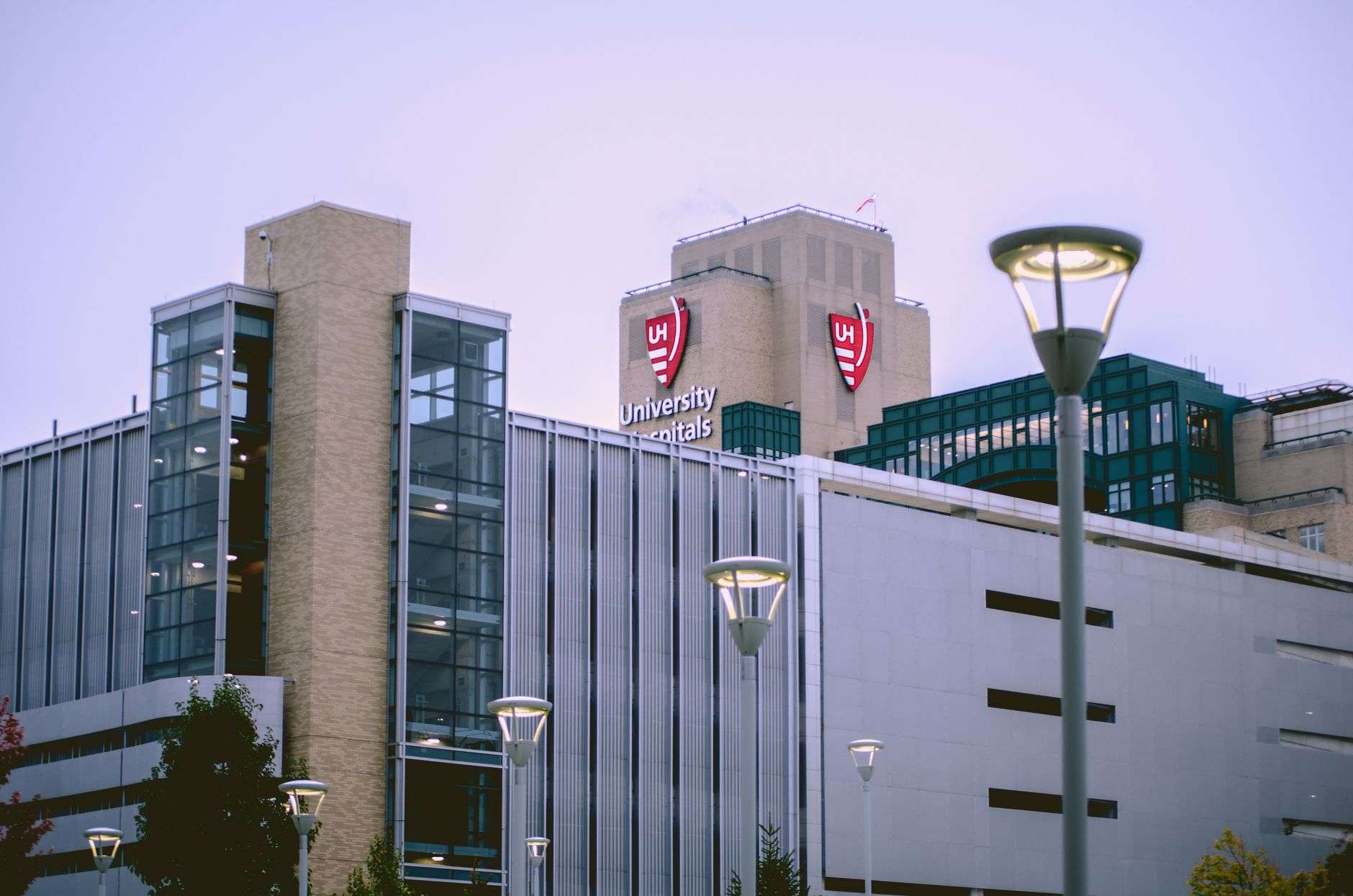
USA Health Providence Hospital has been named to Forbes’ newly launched Top Hospitals by State list, a distinction that places the Mobile medical center among the highest-performing hospitals in Alabama based on nationally tracked quality and patient care data. The recognition marks the first year the business magazine has published the ranking, giving Providence an early spot on a list expected to become a regular benchmark for hospital performance across the state.
The honor is not based on reputation surveys or self-reported marketing claims. Instead, Forbes’ analysts drew on 56 separate quality measures pulled from the Centers for Medicare & Medicaid Services Provider Data Catalog, a federal database that tracks how hospitals nationwide perform on a wide range of clinical benchmarks. Particular weight was given to outcomes that matter most to patients and families, including mortality rates, rates of hospital-acquired infections, and how often patients are readmitted after being discharged.
Beyond the clinical numbers, Forbes’ methodology also factored in social drivers of health, such as community-level economic and demographic conditions, so that hospitals serving different types of populations could be compared on a more level playing field. That approach is intended to recognize hospitals that deliver strong outcomes even when they serve communities facing greater health challenges.
Hospital Leadership Reacts
Rick Metzger, CEO of USA Health Providence Hospital, said the distinction reflects the values the hospital tries to uphold every day. “This recognition reflects what matters most to us — providing exceptional care to the people who place their trust in us every day,” Metzger said. He added that the honor validates the hospital’s ongoing commitment to patient-centered care built on collaboration, innovation, and continuous quality improvement.
Metzger pointed to the hospital’s physicians, nurses, and broader care teams as the driving force behind the achievement, noting their focus on delivering “safe, evidence-based care while continuously improving outcomes and the overall patient experience.” He credited the entire staff, saying the award reflects a shared purpose among everyone who works at Providence to put patients first.
Part of a Larger Academic Health System
Providence Hospital operates as part of the University of South Alabama’s academic health system, a structure that connects everyday clinical care with ongoing research and medical education. That combination allows the hospital to expand access to specialized services not only for Mobile residents but for patients across southwest Alabama and the broader Gulf Coast region, many of whom might otherwise need to travel farther for advanced treatment.
Being tied to an academic medical system also means Providence’s clinicians are often involved in training the next generation of health care professionals while incorporating current research into day-to-day patient care, a model that hospital leaders say supports the kind of continuous improvement reflected in the new Forbes ranking.
Looking Ahead
Metzger said the recognition is a milestone rather than an endpoint for the hospital. He outlined plans to keep building on the momentum by “continuing investing in our people, expanding access to advanced care, embracing innovation and strengthening our partnerships.” The goal, he said, is to make sure regional patients can continue to access nationally recognized, high-quality care without having to leave southwest Alabama to find it.
For residents of Mobile and the surrounding Gulf Coast communities, the Forbes ranking offers an independent, data-driven signal about the quality of care available close to home, at a time when hospital quality and access remain top concerns for many families across the region.
Alabama is a state in the southeastern United States bordered by Tennessee, Georgia, Florida, the Gulf of Mexico, and Mississippi. Often called the Heart of Dixie, it spans Appalachian foothills in the north and flat coastal plains in the south. Its largest cities include Birmingham, Montgomery, Huntsville, and Mobile.
Alabama’s history encompasses Indigenous roots, Spanish and French colonial settlement, a cotton-plantation economy, the Civil War and Reconstruction, and the Civil Rights Movement of the 1950s and 1960s, followed by a shift toward manufacturing, aerospace, and technology. Local news across the state frequently reflects this mix of tradition and change.
Mobile is the county seat of Mobile County in southwest Alabama and the state’s only saltwater port. Situated where the Mobile River meets Mobile Bay near the northern Gulf of Mexico, the city has long served as a commercial and cultural gateway between Alabama and the wider Gulf Coast. Founded in 1702 as Fort Louis de la Louisiane and ruled in turn by France, Britain, and Spain before joining the United States in 1813, Mobile carries a layered heritage distinct from the rest of the state.
Today Mobile anchors a metropolitan area spanning Mobile County and neighboring Baldwin County, and it remains a center for shipping, aerospace, healthcare, and higher education in the region. Its downtown and waterfront have seen sustained revitalization, while historic neighborhoods preserve architecture from its colonial and antebellum past. The city’s identity is shaped as much by its working port and industrial base as by its festivals and food culture, making it a frequent focal point for news about growth and change in southern Alabama.
The Gulf of Mexico borders Alabama’s southern edge and defines much of the state’s coastal identity. Alabama’s Gulf coastline, centered on Dauphin Island, Gulf Shores, and Orange Beach, supports a tourism industry built around beaches, charter fishing, and marine recreation, while offshore waters host shipping lanes and energy interests.
The Gulf’s warm, shallow shelf and exposure to hurricanes make weather and disaster preparedness recurring concerns for communities from Mobile to Baldwin County. The marine environment also underpins commercial seafood harvests that have sustained Gulf Coast families for generations, tying the region’s economy and culture closely to the water.
Healthcare in the Mobile area is anchored by several hospital systems and provider networks that serve patients across southwest Alabama, the Gulf Coast, and into parts of Mississippi and Florida. Large employers in the sector include regional health systems operating hospitals, clinics, and specialty centers, alongside university-affiliated providers.
Access to care, the financial health of nonprofit hospitals, and the integration of behavioral and physical health are ongoing priorities. As in many parts of the country, local healthcare institutions navigate workforce shortages, changing reimbursement models, and the particular demands of serving both dense urban neighborhoods and far-flung rural communities.
The ties between healthcare and the local economy are strong. Hospitals are among the region’s largest employers, and decisions about service lines, expansion, or closure reverberate through surrounding neighborhoods, making health-system news a staple of regional journalism.
The economy of the Mobile region is diversified across shipping and logistics, aerospace and shipbuilding, healthcare, tourism, and manufacturing. The Port of Mobile is one of the nation’s busiest seaports and a cornerstone of the local and state economy.
Major employers in aviation and defense contribute to a skilled workforce, while economic-development organizations aim to attract investment and jobs through incentives and infrastructure improvements. Small businesses, from restaurants to professional services, form the backbone of neighborhood commerce.
The health of the regional economy is a frequent subject of public discussion and reporting. Workforce development, recruitment of industry, and the fortunes of local retailers all feed into a broader picture of how the Gulf Coast competes and adapts in a changing national economy.
Collegiate athletics are a major part of life in southern Alabama, where the University of South Alabama in Mobile fields the Jaguars across a range of sports. The university’s football program, which began competition in the 2000s, has become a rallying point for students, alumni, and residents and a source of regional pride.
Beyond the campus, youth, high-school, and recreational leagues across Mobile and Baldwin counties sustain a deep local sports culture, and tailgating and game-day traditions reflect the social fabric of the community. Coverage of local teams regularly intersects with broader themes of economic impact, community engagement, and the role of athletics in mid-sized Southern cities.
Sports also serve as a lens on community investment. Stadium construction, scheduling, and the success of local programs ripple into nearby businesses and neighborhoods, making them a recurring and widely followed subject in regional reporting.
Education in South Alabama spans public school systems in Mobile and Baldwin counties, a network of private and parochial schools, and institutions of higher learning including the University of South Alabama, Spring Hill College, and community colleges. Public-school governance rests with locally elected boards.
Boards oversee budgets, curricula, and facilities, often amid debates over funding equity and student achievement. The region’s colleges contribute not only to the workforce pipeline but also to healthcare, research, and cultural life, and education policy set in Montgomery frequently shapes what local districts can do.
Schools are also central to community stability. Enrollment trends, facility conditions, and graduation outcomes are watched closely by families and employers alike, making education a persistent focus of public attention and news coverage across the Gulf Coast.
The natural environment is central to life on the Gulf Coast, where barrier islands, bays, rivers, and wetlands support fisheries, recreation, and storm protection. Coastal Alabama faces challenges common to low-lying regions, including hurricane exposure, erosion, and the management of fragile ecosystems.