

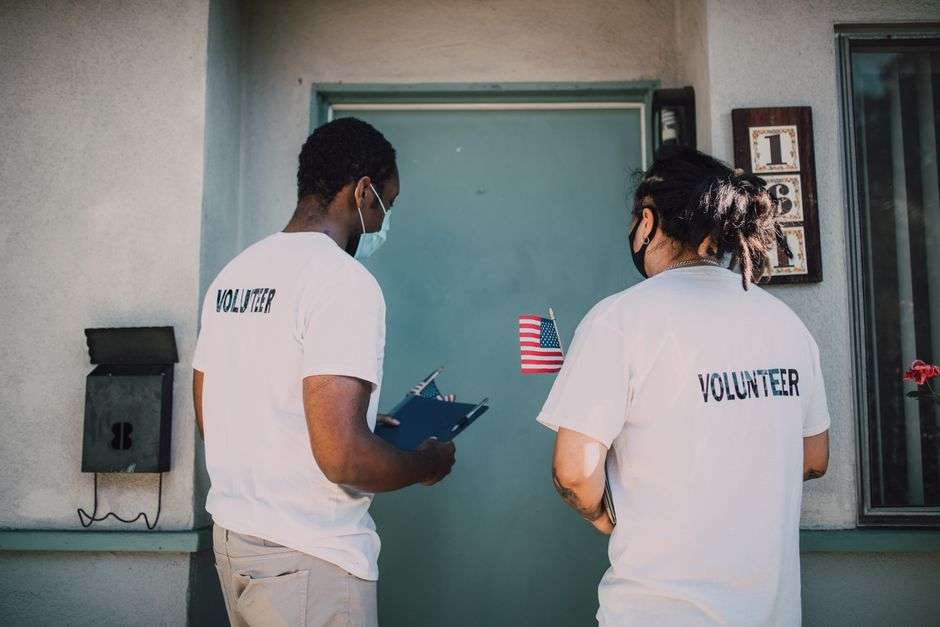
Retirement changes the shape of a week but not, for most people, the need to be useful. Across the communities from Mobile to Pensacola, tens of thousands of retirees are discovering that the hours they once gave to a career can be redirected to something with a different kind of payoff — and the evidence keeps piling up that the payoff is real, for the volunteer as much as for the community.
What the Research Says About Giving Time
The numbers behind American volunteering are striking. AmeriCorps’ national research found that roughly 60.7 million people formally volunteered with organizations in a single year, and that formal volunteering grew more than 22 percent in just two years — the largest expansion the agency has ever recorded. All told, volunteers contributed about 4.99 billion hours of service, an estimated $167.2 billion in economic value to American communities.
Older adults carry much of that load. Americans age 65 and older have historically logged the most hours of any age group — a median of about 96 hours a year in federal survey data, nearly two hours a week — and people over 50 who volunteer more than 100 hours a year show better physical and mental health outcomes than those who do not. AmeriCorps’ own longitudinal study of its Seniors programs found volunteers were healthier, less depressed, and less socially isolated than non-volunteers, with 88 percent reporting fewer feelings of isolation, 84 percent reporting stable or improving health, and 78 percent reporting fewer symptoms of depression after serving.
Independent Sector, which maintains the most widely used benchmark, valued a volunteer hour at $36.14 in 2025. Multiply that by the median senior’s 96 hours and the quiet math of retirement volunteering comes into focus: a single retiree giving two hours a week is contributing several thousand dollars’ worth of labor to the community every year.
Finding the Right Fit
The good news for anyone newly retired is that the hardest part is not finding an opening — it is choosing among them. Volunteers in Gulf Coast cities can search Volunteer Match listings for Mobile, Fairhope, Bay Minette, Foley, Gulf Shores, Orange Beach and Pensacola, and those databases only scratch the surface. Churches run outreach programs, hospitals recruit volunteers at every facility, animal shelters always need hands, and civic clubs such as the Kiwanis and Rotary clubs raise money for charity year-round.
A practical way to narrow the field:
Start with what is meaningful to you — animals, children, cooking, organizing, writing, teaching, visiting people, the outdoors. Volunteering built around a genuine interest lasts; volunteering built around obligation does not.
Match your talents to your desire to serve. A career in accounting is valuable to a small nonprofit with no bookkeeper; a love of dogs is valuable to a shelter; a calm presence is valuable in a hospice setting.
Observe before you commit. Spend a session watching how an organization actually works before signing on. If what you see pulls at your heart, sign up. If it doesn’t, keep looking — the right fit should send you home with a full heart, not a sense of obligation.
Programs Built for the Second Act
Retirees who want structure don’t have to invent it. AmeriCorps Seniors operates three signature programs for adults 55 and older — the Retired and Senior Volunteer Program (RSVP), the Foster Grandparent Program and the Senior Companion Program — pairing older volunteers with more than 15,000 sponsor sites nationwide. Foster Grandparents tutor and mentor children, including helping young readers and supporting children who have been neglected or abused; Senior Companions provide one-on-one support to adults who need help living independently.
Hospice volunteering is another path that suits experienced hands. Hospice volunteers visit patients, sit with families, and provide respite for caregivers — work that asks for presence more than skill, and that volunteers often describe as the most meaningful hours of their week.
Animal lovers have a route of their own: having a dog certified as a therapy animal opens doors to hospitals, schools and nursing homes, where a well-mannered dog does work that no staff member can. It is one of the clearest examples of volunteering as a two-way exchange — the handler and the dog both come home calmer than they left.
Why It Matters Here
The Gulf Coast’s economy runs on hospitality, service and seasonal work, and its nonprofit sector runs on the same fuel. Food banks, museums, libraries, festivals, beach cleanups, historical societies, hospitals and school programs all lean on volunteers, and the region’s large retiree population is the natural workforce. The lesson longtime volunteers tend to land on is simple: sharing the love requires feeling it first, so the search is worth doing honestly, and quitting a bad fit is not failure — it’s redirection.
Purpose in retirement is not something anyone hands you. It is assembled, week by week, out of choices about where your time goes. The research says the time is worth real money. The volunteers say it’s worth more than that. Start close to home, keep experimenting, and expect to be surprised by which door opens easiest — that’s usually the one you’re meant to walk through.