

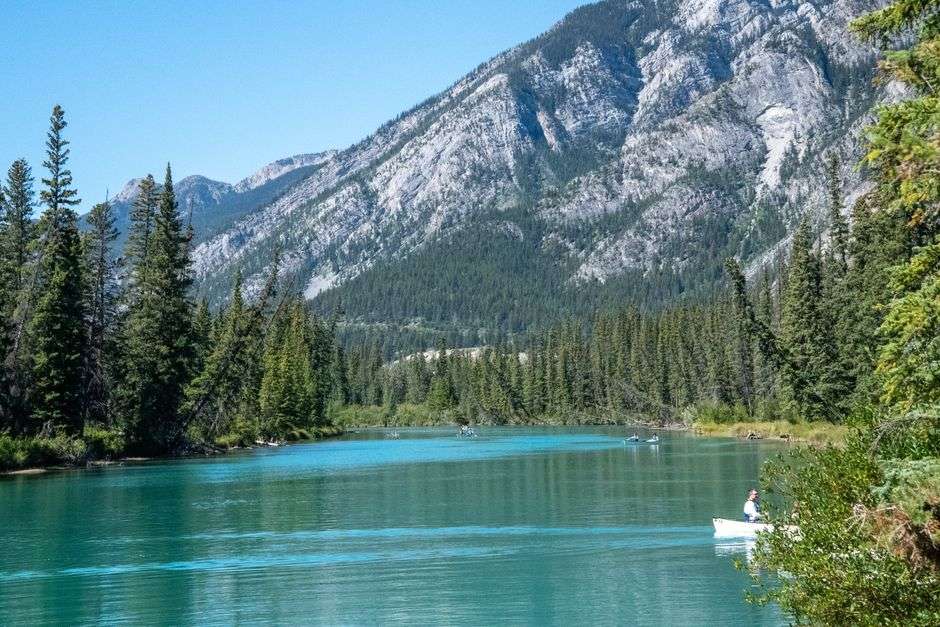
Sometimes the best trips are the ones you don’t overplan. The search for a cheap, easy summer getaway led two friends — one of them a longtime Blackwater regular — to Blackwater River State Park east of Milton, Florida, for an overnight canoe trip. After a hectic work week, they hit the road without so much as Googling the river. What they found was nothing like the name suggests.
A River That Isn’t Black
Despite its name — the original Muscogee name Oka-lusa means “water black” — the Blackwater River normally runs clear, with a transparent golden-brown tint from tannins released by shoreline leaves and roots. That tea-colored water slides over a brilliant white sand bottom, past white beaches and shifting sandbars, one of the purest sand-bottom rivers in the world. The river flows a gentle two to three miles per hour at an average depth of about two and a half feet, an easy pace for swimmers and first-time paddlers alike.
The water is a product of the land around it. The park and the adjoining Blackwater River State Forest form the core of the largest contiguous longleaf pine and wiregrass ecosystem remaining on Earth — an ecosystem described as rarer than a tropical rainforest. Water seeping through that forest arrives remarkably clean.
From Timber Tracts to State Park
The park’s history is one of recovery. Private owners heavily timbered the land in the early 1900s; the state of Florida acquired the property in 1938, and it opened as a state park in 1968 with 360 acres. Decades of management have restored the tract, which has since grown to roughly 600 acres, and the park earned designation as a Registered State Natural Feature in 1980 for exceptional illustration of Florida’s natural history. Atlantic white cedars line the river — one was designated a Florida Champion tree in 1982 — and a side trail of the Florida National Scenic Trail runs along the park’s west side. Archaeologists have even recorded a site here that may be up to 10,000 years old.
How the Trip Works
Overnight paddlers typically start at an outfitter outside Milton — The Original Blackwater Canoe Rental is the best known — which rents canoes, kayaks and tubes, shuttles paddlers to and from the river, and sells camping gear and supplies. A one-night canoe trip split a $110 all-in rental fee, with gear hauled to a drop-in spot 11 miles upriver; when water levels and logjams allow, outfitters can take paddlers as far as 23 miles upriver. Logjams have blocked some of the furthest put-ins in recent years, so it pays to call ahead.
From the moment the roadway disappears behind you, the river takes over. The June heat made the many stops along sandy beaches essential — swimming, photographing the sandbars, and trying unsuccessfully to snag one of the fish visible beneath the canoe. As afternoon shadows lengthened, a campsite on an elevated ridge above a small beach at a river bend made the perfect camp: shaded by the forest, steps from the water, cool even on a June evening.
Camping on the coastal plain in June comes with heat and bugs, but the river solves both — regular dips in the Blackwater and a breeze through the pines carried the night through to a crystal-clear sky full of stars. Morning coffee on the sandbar beat any hotel coffee maker in the region.
Practical Details
The park itself, at 7720 Deaton Bridge Road outside Milton, charges $4 per vehicle, opens 8 a.m. to sunset year-round, and offers two campground loops with 30 campsites for tents up to 40-foot RVs, hot showers, and three day-use areas within walking distance of the beaches. The river is a designated Florida Paddling Trail, and water levels can fluctuate quickly after rain, so paddlers should check with the ranger station before setting out.
For Gulf Coast residents, the drive is barely an hour from the Alabama line, and the reward is one of the finest paddling experiences in the state — clean, cool water, white sandbars and a forest that has come back from a century of timber cutting. Pack light, bring a tent, and let the river set the schedule.