

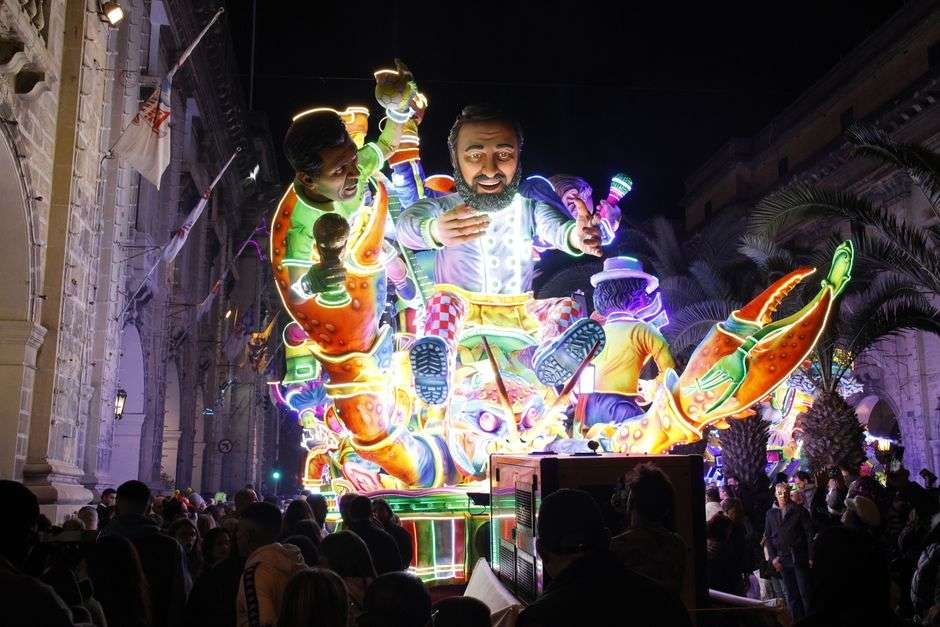
Mardi Gras season is in full swing in Mobile, and this year’s celebrations have brought an unexpected splash of national attention along with the usual parade routes, parties and confetti. America’s original Carnival city — older by years than the more famous celebration up the river in New Orleans — is accustomed to visitors this time of year, but not usually to the level of star power that turned up downtown last weekend.
CNN anchor and “60 Minutes” correspondent Anderson Cooper spent time in Mobile last weekend, and word of his visit spread quickly through the city as residents spotted him at some of downtown’s most familiar gathering spots. Cooper was reportedly in town gathering material for an upcoming “60 Minutes” segment focused on the Clotilda, the last known slave ship to arrive in the United States, which was discovered in the Mobile River in 2019. The story has become one of the most consequential historical finds in modern America, and Mobile is where it lives.
A weekend of sightings
According to multiple sightings around the city, Cooper stayed at the historic Battle House hotel downtown, watched the Conde Cavaliers parade roll and sampled dishes at local restaurants Dumbwaiter and Southern National. The sightings multiplied across social media as Carnival season amplified them, with residents trading photographs and stories of the anchor in their midst. For a city that has spent two centuries perfecting the art of the social season, an out-of-town celebrity who actually joined the parade routes was received as both novelty and affirmation.
He also traveled to the Spirit of Our Ancestors Festival in Africatown, the community founded by Clotilda survivors after emancipation, and sat down for an interview with Mobile’s mayor as part of his reporting. The festival, held in the historic neighborhood north of downtown, commemorates the men and women who endured the Clotilda’s voyage and then built a free community of their own — a story that has moved from family memory to national recognition in the years since the wreck’s discovery.
Cooper also visited the History Museum of Mobile, where the film crew went behind the scenes with researchers connected to the Clotilda discovery. In a social media post following the visit, the museum said it was honored to host Cooper and the “60 Minutes” team alongside Jim Delgado of Search Inc., the lead maritime archaeologist who helped verify the wreck, and Alabama Historical Commission state archaeologist Stacye Hathorn. The museum noted that the pair discussed the scientific work that confirmed the ship’s identity and reflected on the significance of the find for Africatown’s history and its descendant community.
Why the Clotilda matters
The Clotilda’s rediscovery has drawn sustained international interest since divers and researchers confirmed its identity in the Mobile River’s murky, silt-shrouded depths. The ship’s story is singular: it arrived in 1860, on the eve of the Civil War, decades after the transatlantic slave trade had been outlawed — the last known vessel to carry enslaved Africans to American shores. Its captain scuttled and burned the ship up the Mobile River to hide the crime, and for more than 150 years the wreck’s precise location remained one of the great mysteries of American maritime history.
The men and women it carried — the last generation of Africans forcibly brought to this country — settled north of Mobile after emancipation and built Africatown, preserving languages, traditions and memories of home in a way few other American communities could. Their descendants remain there today, and the neighborhood has become a focal point for conversations about the transatlantic slave trade’s lasting imprint on the Gulf Coast. The confirmed identification of the wreck, verified against archives and physical evidence by Delgado’s team and state archaeologists, gave the community documentary and physical proof of a story passed down orally for generations.
A national television feature is expected to bring renewed attention to the neighborhood’s preservation efforts and its push for historical recognition. Africatown advocates have spent years seeking support for interpretation, restoration and heritage tourism, arguing that the community’s story belongs among the most important in the nation’s telling of itself. Attention from a broadcast with the reach of “60 Minutes” — an institution that has shaped how Americans understand their history for more than five decades — is the kind of moment preservationists have long worked toward.
Carnival buzz beyond the anchor
Cooper’s visit wasn’t the only brush with celebrity making the rounds this Carnival season. Mobile singer-songwriter Ryan Balthrop was invited on stage during a recent event in Mexico hosted by Grammy-winning artist Brandi Carlile, joining her for a duet during her “Girls Just Wanna” weekend getaway. The pair performed one of Carlile’s songs together, delighting the crowd — and giving Mobile’s own music scene a national spotlight of its own.
During the introduction, the woman presenting Balthrop stumbled over the pronunciation of “Mobile,” prompting some good-natured help from the audience and from Carlile herself. That presenter has since been identified as actress Rita Wilson, wife of actor Tom Hanks. The moment made the rounds locally with affection rather than offense — proof, residents joked, that even Hollywood sometimes needs a lesson in how to say the city’s name.
Meanwhile, the Carnival calendar has brought new additions to Mobile’s food and drink scene as well. Ghost Train Brewery introduced Riverview Blonde, a new beer, with a launch party at the Renaissance Riverview Plaza hotel on Friday, Feb. 14, around 5 p.m. The brew’s branding leans into the hotel’s waterfront, nautical theme, featuring a blonde mermaid design. The free launch event was held in the hotel’s courtyard along Royal Street, timed just ahead of the Order of Inca parade — a piece of downtown’s walking-distance Carnival geography that lets parade-goers pair a beverage with the evening’s festivities.
With Fat Tuesday still ahead, Mobile’s Mardi Gras season continues to bring a steady mix of parades, parties and the occasional surprise visit from out-of-town names, keeping the city’s Carnival buzz very much alive. The season’s societies — from the Conde Cavaliers to Inca — roll on schedules that have made downtown Mobile the center of gravity for weeks at a time, and this year the crowds have had more to talk about than usual.
Air date set for the Clotilda segment
Viewers won’t have to wait much longer: the “60 Minutes” feature on the Clotilda and the Africatown community is scheduled to air Sunday, November 29, according to sources familiar with the network’s plans. Cooper and the show’s crew returned to Mobile in February to conduct a series of interviews about the last ship to bring enslaved Africans to America and its discovery in the Mobile River, building on the reporting they began during the Carnival-season visit.
The gap between the visit and the air date reflects the care such a piece requires. “60 Minutes” segments of this kind involve archival research, verification of historical claims and extensive interviews with descendants, archaeologists and officials — a process that extends over months. For Africatown, the delay has done little to dampen anticipation; community leaders have described the segment as an opportunity to tell the neighborhood’s full story, from the ship’s criminal voyage to the community’s founding and its present-day residents’ fight for recognition and investment.
The full episode will also be available to stream on CBSNews.com one day after it airs, making the story accessible to viewers beyond the broadcast’s Sunday-night audience. For Mobile, the segment caps a Carnival season unlike most — one in which the city’s two great historical narratives, the oldest Mardi Gras in the country and the community born of the nation’s last slave ship, shared the same headlines and, for one weekend, the same downtown streets.
The November air date also gives Africatown organizations a planning window. Community meetings, watch events and follow-up coverage are already being discussed, and advocates hope the broadcast will coincide with progress on the neighborhood’s long-developing heritage projects — from interpretive signage to the proposed museum — so that viewers moved to learn more will find something to visit and support. National attention, they have learned, is most valuable when it arrives alongside something concrete to sustain it.
Cooper’s own connection to storytelling runs deep — he is a Vanderbilt family heir who built his career in conflict reporting before joining the network — and his choice of the Clotilda story is consistent with a program that has repeatedly examined the country’s most difficult history. Residents who encountered him around town described a reporter at work, notebook out and questions running, even between parade stops and restaurant visits.
Local officials and preservationists alike will be watching the response. National coverage of Africatown has historically translated into visits, grants and renewed momentum for the neighborhood’s long-sought museum and interpretive center — outcomes that matter more to the community than any single broadcast. The segment’s arrival in late November will close the loop on a story that began, for television’s purposes, with an anchor watching a Mardi Gras parade roll past the Battle House.