

A 70-year-old Atmore man died Monday afternoon after the vehicle he was driving left the roadway and struck a ditch, according to the Alabama Law Enforcement Agency. The crash on a rural road just north of Atmore added another name to the state’s 2024 toll of single-vehicle fatalities, and it ended with a longtime local resident pronounced dead at a hospital after critical injuries.
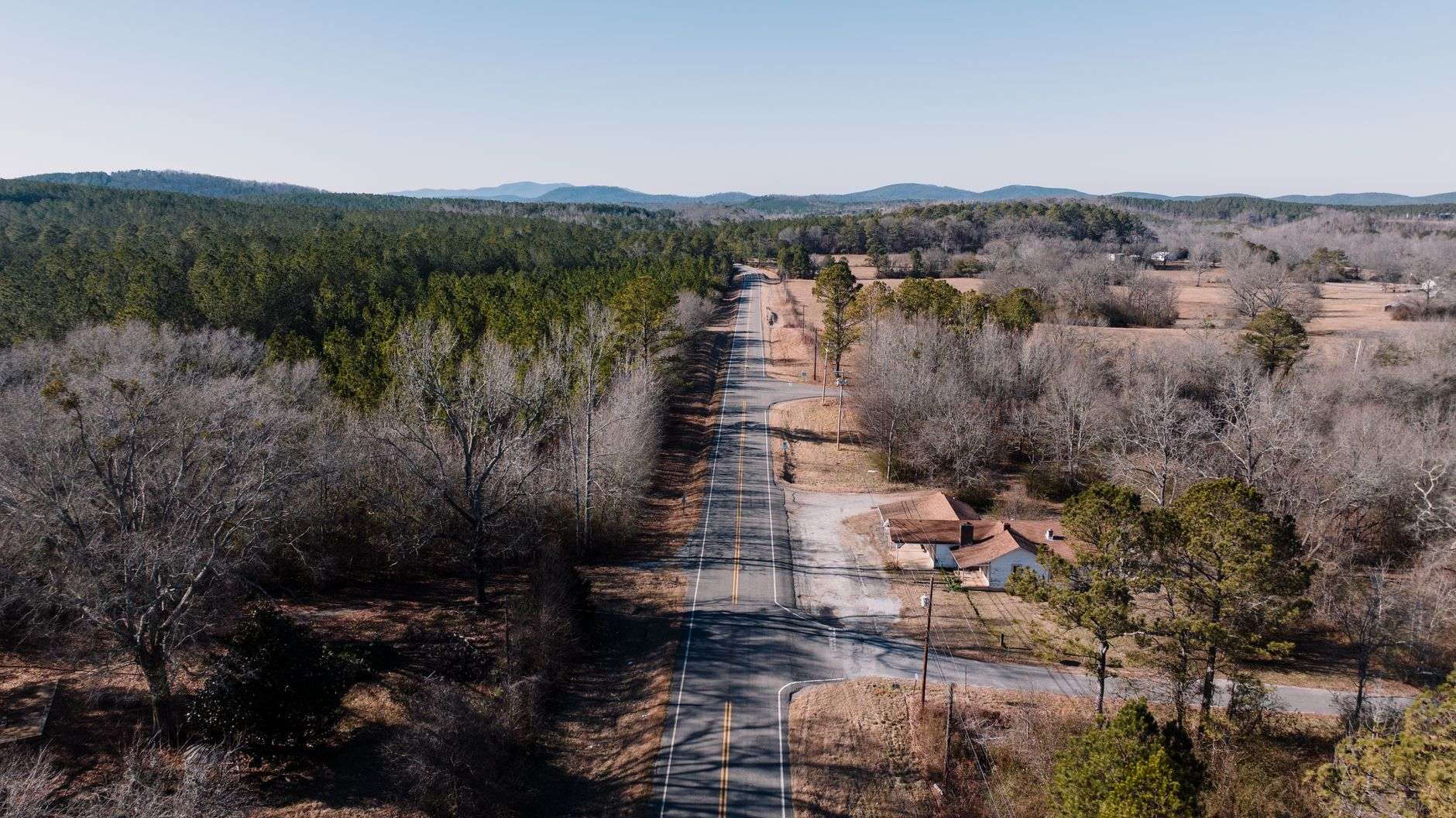
The crash happened around 4:45 p.m. on Jack Springs Road near Smith Dairy Road, about one mile north of Atmore, ALEA said in a news release. Officials identified the driver as Larry Wright of Atmore. The stretch of Jack Springs Road where the crash occurred is a rural two-lane route that serves the communities north of the Escambia County city, lined with the farms and residences that characterize the area.
According to troopers, Wright was driving on Jack Springs Road when his vehicle left the road and struck a ditch. He was critically injured and taken to a hospital, where he was later pronounced dead. Ditch impacts are among the most common single-vehicle crash types on Alabama’s rural roads, occurring when a vehicle drops off the pavement edge and the driver overcorrects or loses control before striking the drainage channel that runs alongside most country roads.
The Investigation
ALEA said Wright was not wearing a seatbelt at the time of the crash. State troopers have not said what caused him to leave the roadway, and the agency’s Highway Patrol Division continues to investigate. Investigators in single-vehicle fatalities work to determine whether a medical event, a mechanical failure, distraction, speed, or an avoided hazard put the vehicle off the road, and their findings generally close the case file weeks after the crash itself.
The absence of a seatbelt turned what might have been an survivable incident into a fatal one, troopers’ findings suggest. In ditch crashes at rural speeds, restrained occupants frequently walk away with minor injuries while unrestrained occupants are thrown against the vehicle’s interior or ejected entirely. Ejection multiplies the risk of death dramatically, and Alabama’s crash data consistently shows unrestrained occupants dying at several times the rate of those who buckle up.
The afternoon timing of the crash, at 4:45 p.m. on a Monday, put it in the window when rural roads carry school and work traffic, and the response drew emergency crews from the Atmore area to a scene on a road that serves daily traffic between the city and the farm country to its north.
Seatbelts and Rural Crash Survival
Seatbelt use remains one of the most effective ways to reduce the risk of death or serious injury in a single-vehicle crash. According to the National Highway Traffic Safety Administration, seatbelts reduce the risk of fatal injury to front-seat occupants by roughly 45 percent. The federal agency’s research also shows that belts prevent ejection almost entirely, and that roughly three-quarters of occupants thrown completely from a vehicle in a crash die from their injuries.
Alabama law requires drivers and passengers to wear a seatbelt, and unbuckled occupants are significantly more likely to be ejected or thrown against the interior of a vehicle during a crash. The state’s primary enforcement law allows officers to stop and cite drivers solely for belt violations, and enforcement campaigns across south Alabama run throughout the year targeting exactly the rural corridors where fatal unbelted crashes cluster.
Escambia County’s rural roads, like those across south Alabama, see a disproportionate share of the state’s fatal single-vehicle crashes. Higher speeds on country roads, longer emergency response times, and lower belt-use rates combine to make rural crashes deadlier than urban ones per mile traveled, a pattern that safety officials document annually in the state’s crash statistics.
A String of Rural Fatalities
This is at least the latest in a string of single-vehicle crashes ALEA has investigated on rural roads in south Alabama this year. The agency’s Highway Patrol Division has responded to fatal run-off-road crashes across the region’s counties throughout the year, and each release repeats the same elements: a vehicle leaving the roadway, a ditch or tree impact, and an occupant who was not restrained.
Safety officials attribute the pattern to a combination of factors, including the aging rural road network, the speeds that light traffic encourages, and the simple fact that most travel in south Alabama’s small communities occurs on two-lane roads without shoulders or barriers to catch a drifting vehicle. The state’s strategic highway safety plan targets run-off-road crashes as a priority, funding rumble strips, edge-line improvements, and shoulder paving on the corridors with the worst records.
The agency asks anyone with information about the crash to contact the Alabama State Troopers Highway Patrol Division. For Wright’s family and the Atmore community, the crash closed an ordinary Monday afternoon with a loss that investigators will spend the coming weeks documenting, and for rural drivers across the region, it repeated the lesson that troopers’ news releases deliver with grim regularity.
Atmore sits in the northern reaches of Escambia County, near the Alabama-Mississippi line, and Jack Springs Road serves as one of the arteries connecting the city to the surrounding farming communities. Roads of this type carry everything from school buses and grain trucks to commuters heading into the city, and their narrow shoulders and deep drainage ditches leave little margin for a moment of inattention at highway speeds.
Emergency response in the area draws on a network of volunteer and municipal crews, and the transport of critically injured patients from rural crash scenes to hospitals in Atmore, Brewton, or Pensacola can consume crucial minutes. Survival outcomes in rural crashes reflect that distance: patients who survive to reach a hospital after a serious crash have already beaten the longest odds the road presents.
What Troopers Examine in Single-Vehicle Fatalities
Highway Patrol investigators in crashes like Monday’s work through a standard checklist. They examine the vehicle for mechanical problems, including tire failures and steering components, and they document the road surface and weather at the time. They look for evidence of braking and steering input in the pavement and the shoulder, and they consider the driver’s medical history as they interview family members and witnesses.
Only after that work is complete does the agency close its report, and the findings in cases like Wright’s rarely generate follow-up releases unless charges result. For the family, the investigative timeline means weeks of waiting for the official account of what happened on a road their relative traveled routinely.
Alabama’s Seatbelt Record
Alabama’s seatbelt use rate has climbed over the past two decades as enforcement has intensified, but the state continues to trail the national average, and the gap shows up in fatality statistics. The state records hundreds of unbelted fatalities each year, and rural counties across south Alabama, including Escambia, post some of the highest rates of unrestrained deaths in the state.
The 45 percent reduction in fatality risk that NHTSA attributes to front-seat belt use is the compounding of several effects: belts keep occupants inside the protective structure of the vehicle, they spread crash forces across the body’s strongest points, and they prevent the ejections that kill most severely. In a ditch impact at rural road speeds, those mechanisms are the difference between bruises and a coroner’s report.
Alabama’s belt law covers drivers and front-seat passengers, and the state’s child restraint law requires appropriate seats and boosters for younger children. Enforcement details funded through federal safety programs target the corridors with high unbelted crash rates, and the Highway Patrol’s public messaging after fatal crashes like Monday’s is part of the same sustained campaign.
Rural Road Safety in South Alabama
The engineering responses to run-off-road crashes are visible across the region for drivers who know where to look. Rumble strips along pavement edges vibrate a drifting vehicle back to attention before it leaves the road, high-visibility edge lines mark the pavement boundary at dusk and in rain, and improved shoulders give drivers recovery space where ditches once waited inches from the asphalt.
The state’s rural road improvement programs prioritize locations with repeated run-off-road crashes, and projects on south Alabama corridors have increased in recent years as federal safety funding has flowed to the locations with the worst data. But the network of two-lane roads across the region’s counties is vast, and engineering alone cannot reach every mile, which leaves belt use and speed management as the factors individual drivers control.
Wright’s death on Jack Springs Road joins the year’s toll with the same sad particulars that mark so many of its predecessors: a familiar local road, an afternoon crash, a ditch, and no seatbelt. The Alabama Law Enforcement Agency’s Highway Patrol Division continues to investigate, and anyone with information about the crash is asked to contact state troopers.