

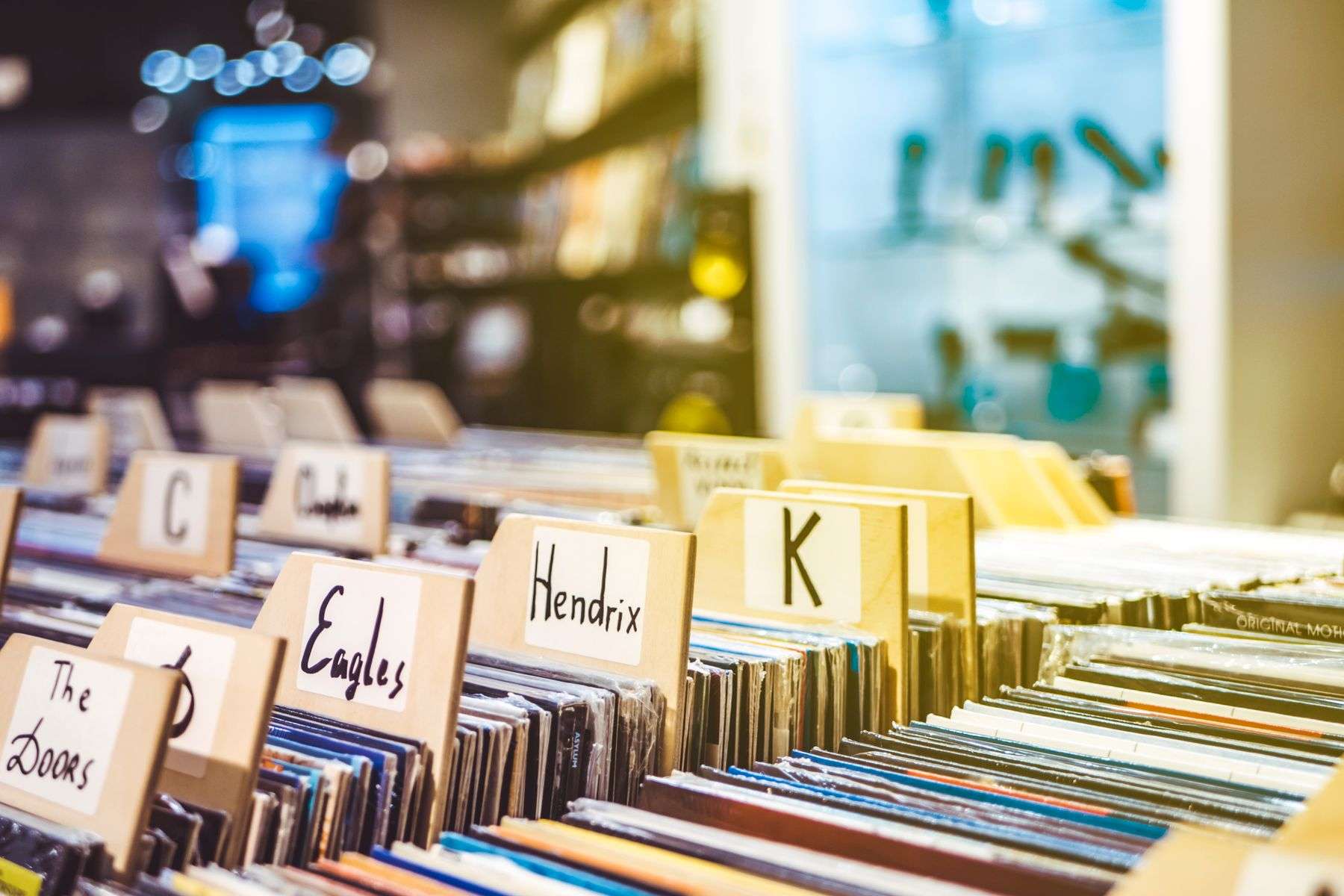
Record Store Day returns to Mobile on Saturday, April 17, with Bay Sound hosting a $1 sidewalk sale, exclusive vinyl releases and a full day of deals aimed at drawing music lovers back into the aisles of one of the area’s independently owned record shops.
According to Bay Sound owner Billy Francis, the store will run its sidewalk sale from 10 a.m. to 2 p.m., with crates of $1 records set out front for browsing. Inside, the shop will carry a selection of Record Store Day exclusives — though, as is typical for the event nationally, quantities of those limited releases are expected to be small. Among the items Bay Sound has on hand are limited-edition singles and LPs, along with a four-LP live box set from the band Wilco.
The celebration will extend to the store’s regular inventory as well. Used vinyl will be marked down 10 percent off through Bay Sound’s normal 8 p.m. closing time. Customers looking to thin out their own collections, or pick up a little extra cash, are welcome to bring in 45s and LPs to sell or trade until 2 p.m. Francis also noted the store will have free Kool-Aid on hand for the day, along with the possibility of homemade licorice pizza — a nod to the informal, community-driven spirit that record shops across the country tend to bring to the occasion.
What Is Record Store Day?
Record Store Day was created as an annual celebration of the culture surrounding independently owned record stores — brick-and-mortar shops that, unlike large chain retailers, are typically run by owners deeply embedded in their local music scenes. The event was conceived in 2007 by a group of American record store owners and employees who wanted a unified day to draw attention to the role independent shops play in their communities, and it was first held on April 19, 2008, in San Francisco. It has been observed every year since on the third Saturday of April.
The idea behind Record Store Day, according to its founders, was to celebrate the culture of the more than 700 independently owned record stores in the United States at the time, along with hundreds of similar shops internationally. Rather than functioning as a single centralized event, Record Store Day is instead a loose national framework: individual stores decide how they want to mark the occasion, from in-store performances and meet-and-greets to sales, giveaways and themed promotions. Participating labels and artists create special vinyl and CD releases exclusively for the day, some of which become sought-after collector’s items in the years that follow.
Festivities at stores nationwide on Record Store Day have historically included live performances, cookouts, body painting, artist meet-and-greets, small parades and DJs spinning records throughout the day. The format gives each store latitude to build an event that reflects its own community and customer base, which is part of why celebrations can look different from one town to the next even though they all fall under the same national banner.
Independent Record Stores in the Streaming Era
By 2010, independent record stores nationwide had already weathered more than a decade of upheaval in how Americans bought and listened to music. The rise of digital downloads and, before that, the decline of the compact disc as the dominant physical format, had squeezed profit margins for shops that once relied heavily on new-release CD sales. Vinyl, once considered a format on its way to extinction, had instead found a resurgence among collectors and audiophiles throughout the 2000s — a trend that helped give record stores a renewed reason for shoppers to walk through their doors rather than simply download a track from home.
Record Store Day was, in part, a direct response to that shift. Independent retailers argued that the exclusive releases and community events tied to the day gave customers a reason to seek out a physical shop rather than rely solely on online retailers or digital marketplaces. For many stores, the day has historically represented one of the busiest sales periods of the year, comparable in importance to the holiday shopping season for other kinds of small retailers.
The vinyl format itself carries a distinct history worth noting for shoppers newer to record collecting. The LP, or long-playing record, became the dominant format for full-length album releases starting in the late 1940s, prized for the audio quality and physical artwork that digital formats do not replicate in the same way. The 45, a smaller single-song format, became a staple of jukeboxes and radio-driven singles culture through the mid-20th century. Both formats fell out of mainstream production as cassettes and later CDs took over retail shelves, which is part of why the used and rare vinyl bins at shops like Bay Sound hold appeal well beyond nostalgia — many older pressings are simply no longer manufactured and can only be found secondhand.
A Local Tradition in South Alabama
Independent record stores have long played an outsized role in small and mid-sized cities’ cultural life, serving not just as retail outlets but as informal community gathering spots where local musicians, collectors and casual fans cross paths. Shops like Bay Sound function as a hub for the area’s music scene in ways that larger retail chains generally do not — hosting conversations about new releases, helping younger listeners discover older catalogs, and giving local bands and DJs a place to be seen and heard.
The Wilco live box set Bay Sound is offering as part of its Record Store Day inventory reflects the kind of release the event is known for: a limited physical pressing tied to an established touring act, intended to reward fans willing to seek it out at a real store rather than order it online. Wilco, a Chicago-based band with roots reaching back to the alternative country movement of the 1990s, had built a reputation over the prior decade for the kind of album-oriented, vinyl-friendly catalog that resonates with the collector culture Record Store Day was built to serve.
What Shoppers Can Expect
For anyone new to Record Store Day, the format at a participating shop like Bay Sound tends to combine several elements at once: deep discounts on regular stock, such as the 10 percent markdown on used vinyl through closing time; limited exclusive releases available only while supplies last; and an open invitation for shoppers to bring in their own records to sell or trade. That combination is designed to draw in both serious collectors chasing a specific exclusive pressing and casual browsers looking for bargain-bin finds.
Because Record Store Day exclusives are typically produced in small print runs and distributed to participating independent stores nationwide, availability can vary significantly from shop to shop, and popular titles have a history of selling out shortly after doors open. Shoppers with a specific release in mind are generally advised to arrive early, particularly at stores that open in the mid-morning as Bay Sound’s sidewalk sale is scheduled to do.
The event’s used-vinyl trade window — running until 2 p.m. at Bay Sound — also reflects a common feature of the day nationally: stores use Record Store Day as an opportunity to refresh their used inventory, giving customers a chance to clear out old collections while stocking the shelves with “new” secondhand finds for other shoppers browsing later in the day.
Supporting Local Businesses
Events like Record Store Day also carry a broader economic dimension for the communities that host them. Independent retailers, including record stores, are typically far more likely than national chains to source products, sponsor local events and reinvest revenue within the communities where they operate. Advocacy for “shopping local” has grown alongside Record Store Day’s rise in prominence, with organizers and participating stores frequently framing the day as both a celebration of music culture and a chance to support small business owners directly.
For a city like Mobile, with its own long musical heritage spanning jazz, blues and rock traditions along the Gulf Coast, a locally owned shop hosting a day built around music discovery and community gathering fits into a broader pattern of independent retail anchoring neighborhood commercial strips. Bay Sound’s sidewalk sale, running from mid-morning into the afternoon on April 17, gives residents a reason to make a stop in the shopping district where the store is located, potentially spending time — and money — at neighboring businesses as well.
Beyond the discounts, the day also functions as an informal reminder to shoppers of what a locally owned record store offers that a big-box retailer or streaming subscription cannot: staff who can talk through a genre’s back catalog, crates that reward patient digging, and the simple experience of holding a record before deciding whether to take it home. That tactile, browsing-driven shopping experience is often cited by longtime collectors as the reason record stores have endured even as the broader music industry has moved toward on-demand digital listening.
Looking Ahead
Record Store Day has continued to expand its footprint each year since its 2008 debut, adding more participating stores, more exclusive releases and a wider range of artists willing to produce special vinyl and CD pressings for the occasion. For shops like Bay Sound, the day offers both a sales boost and a chance to reinforce their place in the local music community — something that becomes increasingly valuable as shopping habits continue to shift toward digital and online options.
Residents interested in taking part in this year’s celebration can visit Bay Sound between 10 a.m. and 8 p.m. on Saturday, April 17, for the sidewalk sale, exclusive releases, discounted used vinyl and the chance to sell or trade records of their own.