

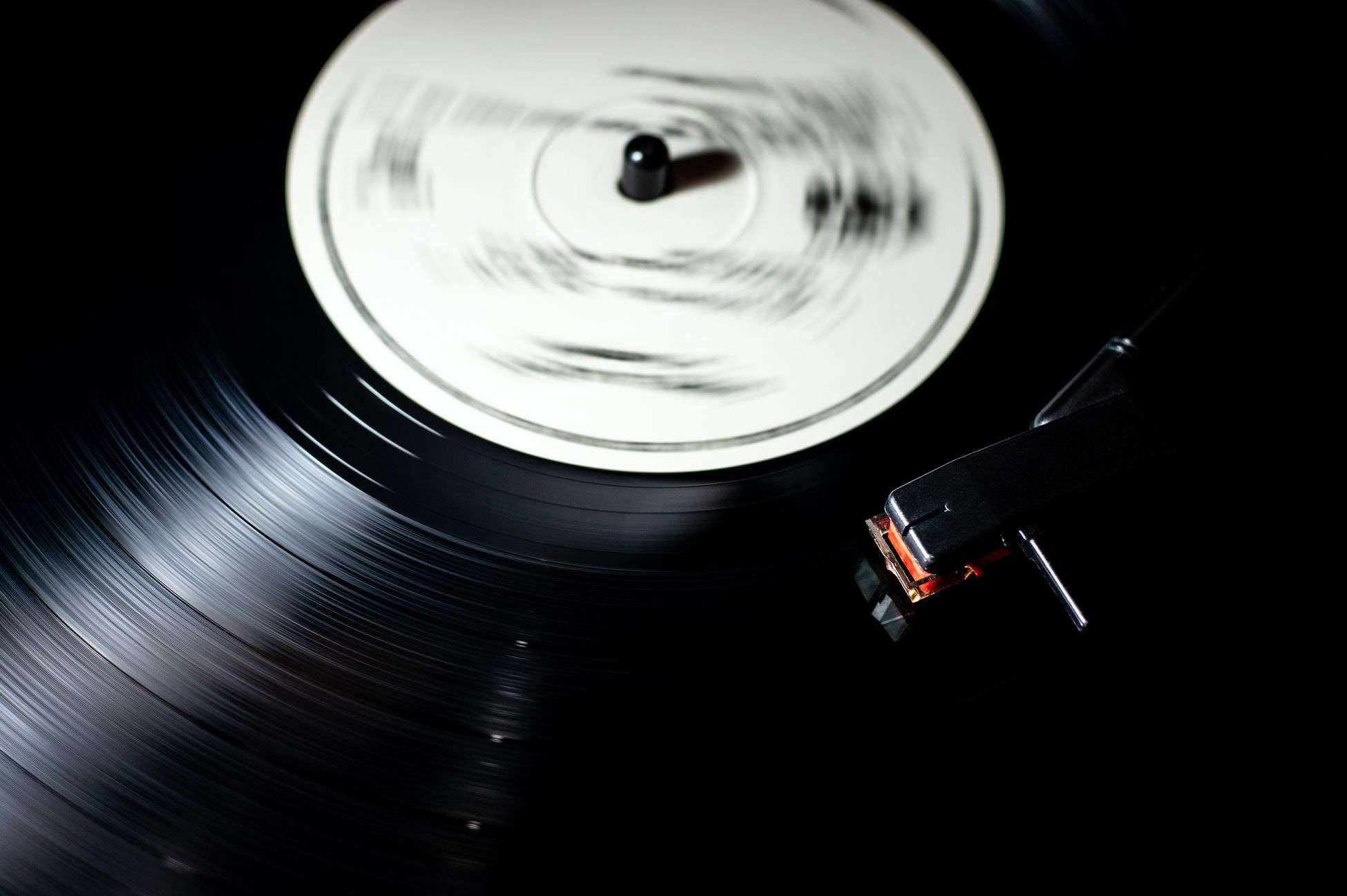
After years of raucous, packed-out late-night sets around Mobile, the duo behind the Super Nice Bros. finally had something fans could take home. The group pressed its debut single to vinyl, and the record’s arrival was marked with a release party at the Alabama Music Box on Dauphin Street, giving the band’s longtime followers a chance to own a physical piece of a sound that had, until then, existed mostly in sweaty, late-night rooms.
The single, backed with two tracks, was cut to a limited run of hand-screened seven-inch records pressed in pink vinyl, a format choice that turned the release itself into a collector’s item before a single copy left the venue. For a band whose reputation had been built on the unpredictability of its live show, committing the music to a fixed, physical format marked a notable step, a signal that the material could stand on its own outside the context of a rowdy night out.
Five Years in the Making
The Super Nice Bros. trace back to vocalist Tim Gray, who performed under the stage name Ponytail, and drummer and programmer Benny Divine, known to audiences as Appleseed. The pair arrived in Mobile from Mississippi roughly five years before the record’s release and began building the project from the ground up, first experimenting with a stripped-down, noise-inflected sound before gradually working their way toward something more danceable and electronic.
That evolution is common in scenes built around small, DIY venues, where bands often start with whatever equipment and lineup they can put together and adjust their sound as their audience and ambitions grow. Gray and Divine wrote material together, with Divine handling programming duties on a Roland MC-505 sequencer, a compact “groovebox” workstation that combines drum machine, synthesizer and step sequencer in a single unit. Released in the late 1990s, the MC-505 and similar Roland grooveboxes became popular tools for solo producers and small groups because they let a single musician build layered, danceable arrangements without a full backing band. Divine paired that programmed foundation with live drumming on stage, blending the machine-driven groove with the physicality of a live performance.
Over time, the band expanded well past its two-person core. Backup singers and a hype man who performed as Bobby Sweatpants joined the lineup, pushing the group further into party-and-performance-art territory and giving its live shows an increasingly theatrical, communal feel. That expanded cast helped turn Super Nice Bros. sets into something closer to a variety show than a typical band gig, built around audience participation and an anything-goes stage presence as much as the music itself.
A Night at the Alabama Music Box
The release party was booked for a Saturday night at 9 p.m. at the Alabama Music Box, located at 455 Dauphin Street in the heart of Mobile’s historic downtown entertainment corridor. The venue shared the bill that night with two other acts, Tornado Rider and Wild Moccasins, giving the evening the feel of a proper local bill rather than a one-off promotional stop.
Organizers built in an incentive for early arrivals: the first 200 people through the door were promised a free copy of the band’s debut single on the limited pink seven-inch vinyl. With the total first pressing capped at 300 hand-screened copies, that giveaway meant the majority of the initial run was earmarked for the crowd that showed up that night, turning the release show into the primary point of distribution rather than a traditional record-store rollout. Broader retail availability, along with digital downloads, was planned to follow once the initial pressing was gone.
Dauphin Street has long served as Mobile’s primary strip for live music, bars and nightlife, anchored by a dense cluster of historic storefronts and theaters in the city’s downtown core. The corridor’s mix of small clubs and performance spaces has made it a natural home for the kind of grassroots, band-run release show that the Super Nice Bros. put together, where a limited vinyl pressing and a local bill can draw a full house without the backing of a major label or national tour.
The Songs: “Woodchuck” and “Delicious”
The two tracks on the single showcased different sides of the band’s sound. The A-side, “Woodchuck,” leaned toward a polished, soulful arrangement, built around layered vocals set over a slow, deliberate groove. It was the more restrained of the two songs, foregrounding the band’s studio-honed side rather than its rowdier stage persona.
The B-side, “Delicious,” pulled closer to the chaotic energy of the band’s live shows, driven by bleating synthesizer lines, a fuzzed-out low end and lyrics built around innuendo. Where “Woodchuck” showed a band capable of restraint and polish, “Delicious” made the case that the Super Nice Bros.’ live reputation for irreverent, bawdy party music was not just a stage act but part of the band’s actual musical identity. Together, the two songs gave listeners a fuller picture of a group that had spent years balancing musicianship with performance-driven spectacle.
Vinyl’s Small-Label Comeback
The decision to press the single on vinyl, rather than release it solely as a digital download, reflected a broader trend among independent and DIY acts in the years leading up to 2010. After decades of decline following the rise of the CD and then digital downloads, vinyl sales in the United States began ticking upward again in the mid-to-late 2000s, driven largely by independent labels and bands rather than major-label reissues. Limited, hand-numbered or colored-vinyl pressings became a way for smaller acts to create a tangible product fans could collect, something a digital file could not replicate, while still offering downloads for listeners who wanted convenience over a physical keepsake.
Seven-inch singles in particular carried a specific appeal for bands still building an audience: they were cheaper to press in small batches than full-length albums, cost less for fans to buy on the spot at a show, and doubled as merchandise and promotional material rolled into one. A hand-screened cover added a layer of handmade craft that resonated with listeners drawn to a band’s DIY ethos, turning the record itself into a memento of the scene it came out of rather than a mass-produced product.
Building a Reputation on Mobile’s Late-Night Circuit
Bands that build their identity around live performance, as the Super Nice Bros. had over roughly five years on Mobile’s after-hours circuit, often face a particular challenge when it comes time to record: capturing on tape the same energy that makes their shows memorable. Minimalist, electronic-leaning acts in particular can struggle to translate a loud, chaotic live set into a studio recording without losing some of what makes the show work in the first place.
The pairing of “Woodchuck” and “Delicious” suggested a band trying to solve that problem by leaning into both sides of its identity rather than picking one. A slower, more polished lead single paired with a rawer, more representative flip side let the group introduce itself to new listeners without abandoning the qualities that had built its following in the first place. It’s a common strategy for bands transitioning from a strictly live act into a recording one, using an early single to signal range before committing to a full-length statement.
Part of a Larger Local Music Ecosystem
The Super Nice Bros.’ path — years of local gigging followed by a self-funded, hand-screened vinyl pressing — reflects a pattern familiar to independent music scenes in mid-sized Southern cities during that era. Without the infrastructure of a major label or a national booking agency, bands typically built their following gig by gig, relying on word of mouth, repeat bookings at a handful of sympathetic venues, and cross-promotion with other local acts on shared bills, much as the Super Nice Bros. did alongside Tornado Rider and Wild Moccasins at the Alabama Music Box.
That kind of scene tends to be self-sustaining rather than commercially driven: bands book each other, trade fans, and treat a record release as a community event as much as a commercial one. A limited vinyl pressing sold and given away at a single show, rather than distributed through national retail channels, is very much in keeping with that model, functioning as both a souvenir for the people who had followed the band for years and an introduction for newer fans discovering the group for the first time. It’s an approach that keeps overhead low for the band while rewarding the audience that helped build its reputation in the first place, a dynamic that has long defined how smaller regional scenes sustain themselves between the occasional larger break.
Looking Ahead
At the time of the release, the band and those around it were already looking toward the group’s next physical release, with a 12-inch vinyl format planned for future material aimed specifically at club DJs. That format choice pointed to an ambition to move beyond the seven-inch single’s role as a limited-run keepsake and toward records built for actual dance-floor use, with the band hoping to carry more of its live-show energy directly into future recordings.
For a group that spent roughly five years building its reputation almost entirely through live performance, the pink-vinyl single and the packed release show at the Alabama Music Box marked a turning point of sorts: proof that the same restless, theatrical energy that made the Super Nice Bros. a fixture of Mobile’s night scene could also translate, at least in part, into something fans could take home and put on a turntable.