

The Town of Century is kicking off a new push to make its streets safer and more walkable, using a $2,500 grant from the nationwide AARP Community Challenge program to fund a community walk audit. Organizers are asking for volunteers to help launch the project at a planning meeting this Thursday at Century Town Hall. The small grant is modest by infrastructure standards, but town officials see it as the first link in a chain: identify the problems with residents’ own eyes, document them carefully, and use the findings to chase larger funding down the road.
The 6 p.m. meeting will be held indoors and is focused on planning rather than the walk audit itself. Volunteers who attend will help identify and map a walk audit route through town, laying the groundwork for a hands-on assessment that will actually take place later this year, once cooler weather arrives. Century’s summers make midday walking uncomfortable for anyone, a practical consideration for a project whose subject matter is the very experience of being outside on foot.
Once underway, the walk audit will examine sidewalks, pedestrian crossings, and street lighting along some of Century’s key corridors. The goal is to pinpoint specific barriers that make it harder for residents to get around on foot and to flag opportunities for infrastructure upgrades that could make those routes safer and more accessible, particularly for residents aged 55 and older, a population the AARP Community Challenge program specifically aims to serve.
Century has brought in Kleinhaus Consulting Group, LLC to lead the effort. The consulting group will be responsible for organizing community engagement activities, guiding volunteers through the audit process, and compiling a final report of findings and recommendations for town leaders to consider once the work is complete. Having a professional facilitator means the volunteers’ observations get translated into the kind of documented findings—missing sidewalk segments, unlit crossings, faded crosswalks—that state and federal grant reviewers expect to see.
“Creating a community where residents can safely walk, stay active, and remain connected is important for people of all ages,” Century Mayor Benjamin Boutwell said. “We appreciate AARP’s investment in Century and look forward to working with residents and our partners to identify ways we can make our town even more welcoming and accessible.”
Why walk audits matter for small towns
Walkability studies like the one planned in Century have become an increasingly common tool for small towns looking to stretch limited infrastructure budgets. Rather than committing to costly improvements up front, a walk audit lets residents and consultants systematically catalog where sidewalks are missing or in poor condition, where crossings lack visibility or signage, and where lighting gaps could pose safety risks after dark, information that can later be used to prioritize grant applications or capital projects.
The approach inverts the usual engineering sequence. Instead of a consultant arriving with a pre-drawn plan, the people who walk Century’s streets every day—to the post office, the grocery store, the church down the road—are the ones pointing out where the curb ramp ends, where the shoulder disappears, and where an elderly neighbor takes her life in her hands crossing the highway. That local knowledge, captured in a structured audit, tends to surface problems that a windshield survey from a car would never catch.
The AARP Community Challenge, which is funding the Century project, is a national grant program that supports quick-action initiatives aimed at improving livability for people of all ages, with a particular emphasis on projects that benefit older residents. Small, walkable improvements funded through the program have gone toward everything from park benches and crosswalk improvements to bike lanes and public space upgrades in communities across the country. The program is built around the idea that a handful of visible, quickly delivered projects can build momentum—and public support—for larger changes.
For Century, the program is a natural fit. The town sits in the far northwestern corner of Escambia County, hard against the Florida line, and serves as the commercial hub for a string of small communities in a rural corner of Alabama better known for its timberland than its sidewalks. Downtown Century grew up around the railroad, like many Panhandle-area towns, and its street grid dates to an era when walking to the store was the norm rather than the exception. As the population has aged, the gap between that walkable heritage and the modern condition of the town’s infrastructure has grown more consequential.
What happens next
After Thursday’s planning session and the walk audit itself, Century officials plan to hold additional community meetings to share what the audit finds and to gather resident input on how the town should prioritize future improvements. Town leaders say the process is meant to be a collaborative one, with residents helping shape recommendations before any final infrastructure decisions are made.
The sequencing matters for a town of Century’s size, where every public dollar is scrutinized and a misstep on a visible project can sour residents on the next one. By presenting audit findings publicly and letting residents rank priorities, the town protects itself against the perception that improvements were chosen by outsiders, and it builds the documented community support that weighs heavily in applications for transportation and community development grants.
The audit’s recommendations could feed into several established funding pipelines. Transportation alternates programs, safe-routes initiatives and community development block grants all reward applicants who arrive with a needs assessment in hand, and many successful sidewalk projects in small Southern towns began exactly this way—with a few thousand dollars, a clipboards-and-sneakers survey of the main roads, and a report that turned scattered complaints into a prioritized list. For the volunteers who turn out Thursday evening, the pitch from organizers is simple: an hour of planning now can shape how the town spends its infrastructure dollars for years to come.
The walk audit methodology itself is worth understanding, because it explains how a $2,500 grant can produce results far beyond its size. Teams of volunteers walk a pre-mapped route with standardized checklists, scoring conditions segment by segment: Is there a sidewalk? Is it cracked, buckled or blocked? Is there a marked crossing? A curb ramp? A streetlight within a reasonable distance? Photographs document the worst spots. The output is not an opinion survey but a geographically specific inventory of deficiencies that engineers and grant writers can act on directly.
Health researchers have documented why this matters especially for older adults. Studies of aging in place consistently find that seniors who live in walkable neighborhoods stay more physically active, remain socially connected longer and can keep living independently at home more years than those who cannot safely leave the house on foot. In a town where many residents no longer drive, or drive only reluctantly after dark, the difference between a continuous sidewalk and a gap in the pavement can be the difference between independence and isolation.
Safety is the other side of the ledger. Rural and small-town roads in Alabama were overwhelmingly designed around the automobile, and pedestrian fatalities occur at disproportionate rates on exactly the kind of high-speed corridors that pass through small towns like Century—two-lane roads where a pedestrian walking to a store faces traffic moving at highway speeds with no buffer, no lighting and often no marked crossing for blocks. An audit that documents those conditions creates the record needed to request crosswalks, lighting and traffic-calming measures from county and state road authorities.
The Kleinhaus Consulting Group’s role as facilitator reflects another trend in small-town planning: the rise of specialists who help communities compete for grants. Many small municipalities lack a planner on staff, and the application process for state and federal programs—with its matching requirements, data documentation and public-participation mandates—can be daunting. Firms that guide communities through audits and applications have become a bridge between volunteer-led local energy and the technical requirements of the funding agencies that can actually pay for infrastructure.
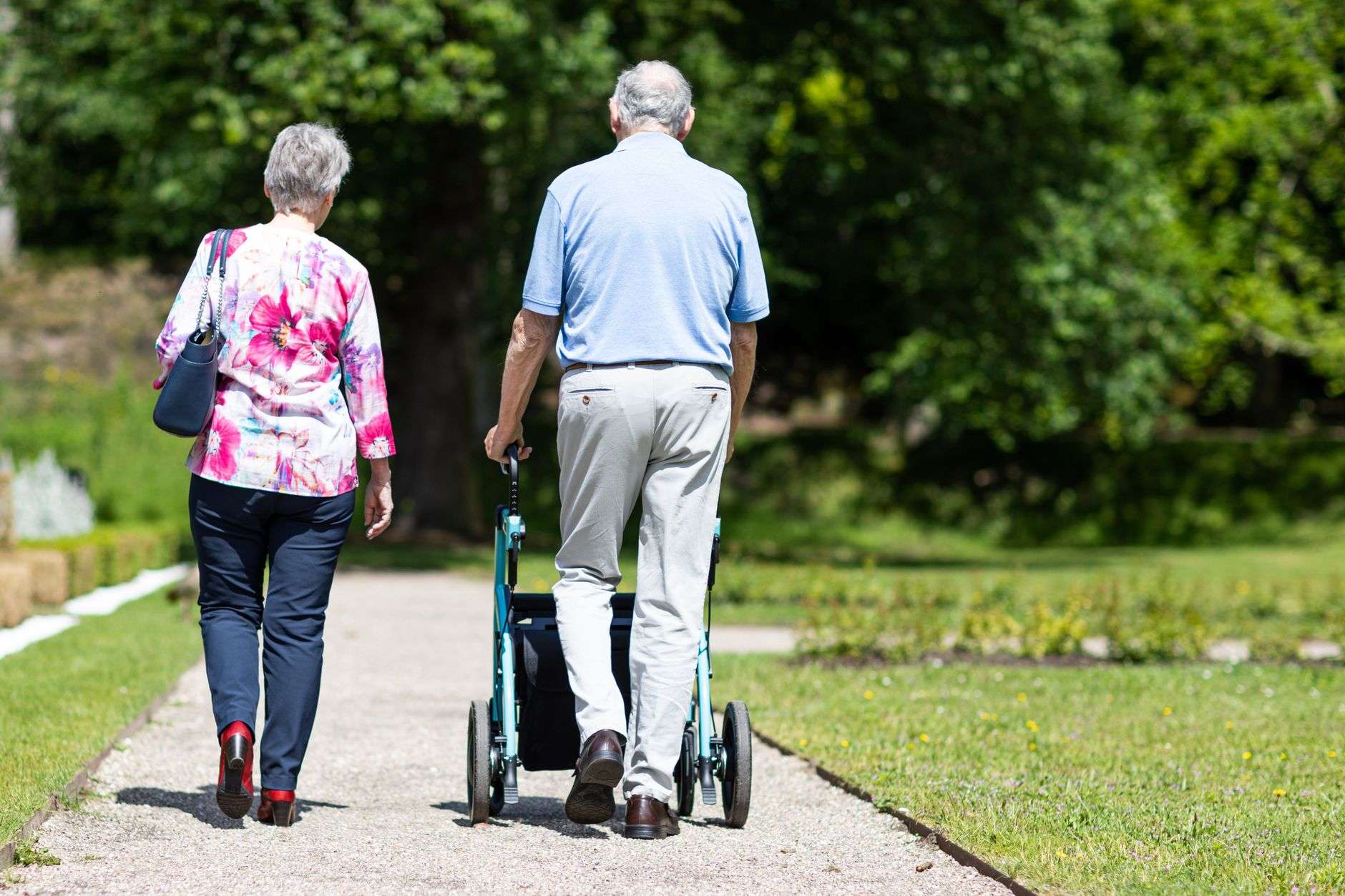
Town officials have encouraged anyone interested to attend Thursday’s session at Town Hall, noting that the audit needs a cross-section of residents—not just the able-bodied and quick-footed. Some of the most valuable observations in a walk audit come from people who use wheelchairs, walkers or strollers, because they encounter every broken curb and missing ramp in ways other walkers simply step around. The more diverse the audit teams, the more complete the picture of where Century’s streets fail the people who use them.
Whether the process ends in new sidewalks, better crossings or simply a well-documented list for future councils, the project gives Century something it did not have before: a systematic, resident-built record of its own walkability. In a small town, that record can outlast any single grant cycle, waiting for the moment when the next funding opportunity opens and the application deadline is short. Officials said they hope residents will treat the effort as their own—because, in the end, the audit will only be as good as the neighbors who walk the route.