

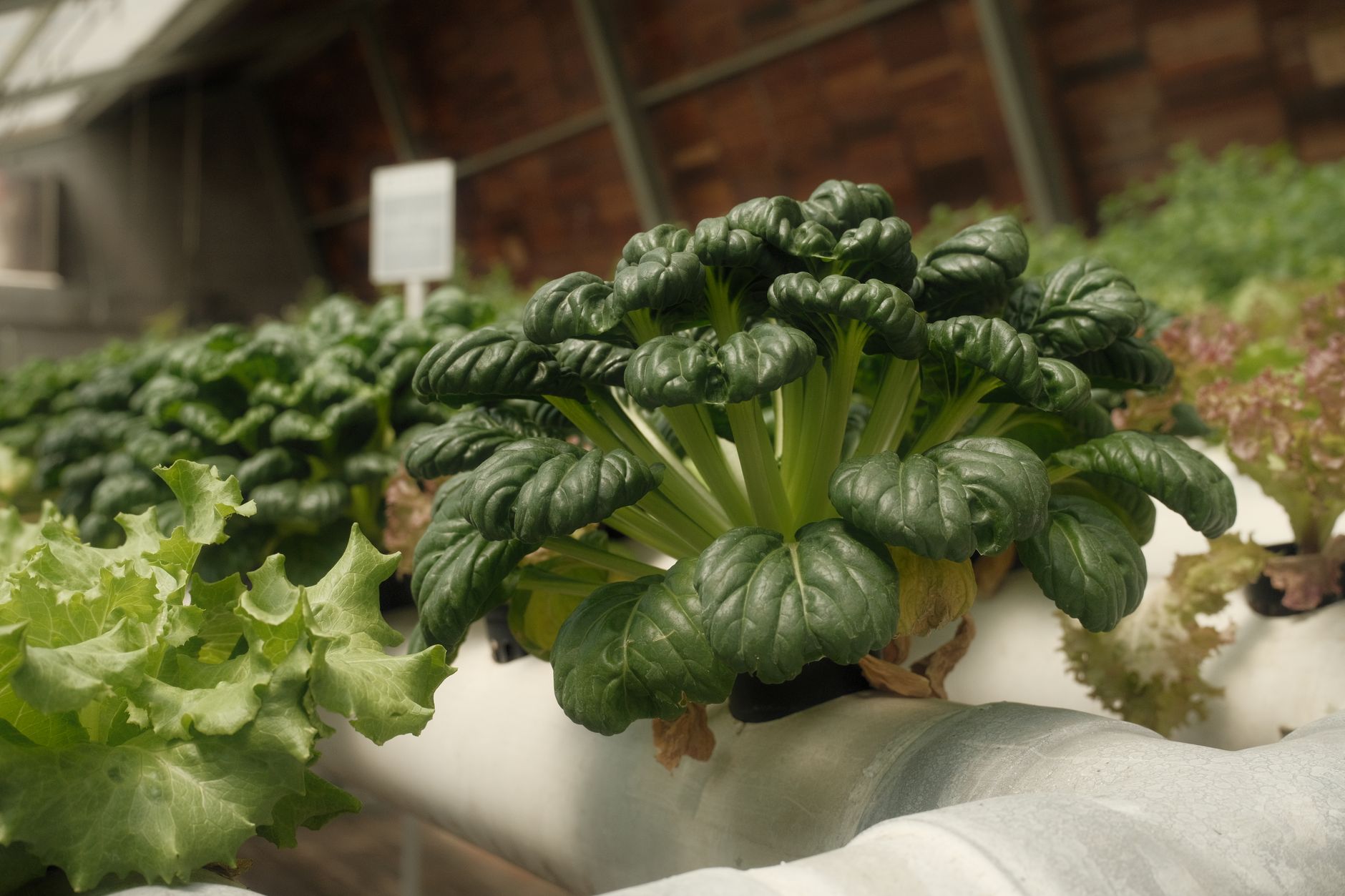
Will Mastin and Karl Brantley were convinced there had to be a better way to buy fresh produce than what the big grocery chains offered. So the two Eastern Shore natives bought property and equipment in Baldwin County and started Local Appetite Growers, a farm specializing in hydroponic lettuces, leafy greens, specialty produce and herbs. As of spring 2022, the Baldwin County hydroponic farm was supplying restaurants, markets and home subscribers across the Eastern Shore and beyond.
Two Friends, Two Backgrounds
Mastin grew up in Spanish Fort and worked as a landscape architect before joining Brantley in the venture. Brantley, who is from Daphne, brought a more extensive farming background. The combination of design training and hands-on agricultural experience shaped a farm that pays close attention to both how crops are grown and how the land is cared for.
Local Appetite Growers focuses on hydroponic lettuces, leafy greens, specialty produce and herbs. What the farm does not grow itself, it sources from other local growers in the area, allowing it to offer a wider variety while keeping the emphasis on food raised close to home.
Why Grow Hydroponically
Asked why the partners chose hydroponics, Mastin kept it simple. “It’s a better way of growing, and you get cleaner lettuce,” he said.
Hydroponic growing raises plants without soil, with roots supported in a growing medium or channel while water carrying dissolved nutrients circulates past them. Because the plants are not sitting in dirt, leafy greens tend to come out of the system clean, with little of the grit that can cling to field-grown lettuce. Growers can also carefully manage nutrients and water use, and many systems recirculate water rather than letting it run off.
For a region with the hot, humid summers and heavy rains of the Gulf Coast, controlled growing systems can also help growers produce tender greens that might otherwise struggle outdoors in the height of summer.
Building the Soil Back
For its soil-grown crops, Local Appetite Growers uses a regenerative approach that aims to continually rebuild the soil rather than deplete it. Mastin said experience taught the partners to avoid tilling. “Tilling destroys the soil,” he said. “We found by experience that this is a better way of farming. The soil just gets better and better.”
Regenerative farming is a broad term for practices designed to improve soil health over time. Reducing or eliminating tillage helps preserve soil structure and the networks of fungi and microorganisms that support plant growth. Farmers who follow these methods often also rely on cover crops, compost and mulch to add organic matter, which improves the soil’s ability to hold water and nutrients.
Restaurants, Markets and a Weekly Bag
Each week, Mastin and Brantley deliver to restaurants and markets on the Eastern Shore and the eastern side of Mobile. A distributor based in New Orleans also buys their products. Together, those wholesale customers accounted for about half of the farm’s sales in 2022.
The other half came from a home delivery subscription service. Customers can sign up for Local Appetite’s Weekly Bag of fresh produce, which changes with the seasons. Depending on the time of year, a bag might include:
- Several varieties of lettuces and greens
- Tomatoes, radishes and green beans
- Okra, peppers and eggplant
- Cucumbers and squash
- Fresh herbs
- Farm-fresh eggs
In spring 2022, the farm was also adding sunflowers and other flowers to the bag mix, and an early crop of local peaches and blueberries was available thanks to warmer spring temperatures.
Subscription produce programs, sometimes modeled on community supported agriculture, give farms a steady, predictable source of income and give customers a regular supply of seasonal food. For households, the weekly surprise of what is in season can also be an incentive to try new vegetables and recipes.
Events on a Working Farm
Local Appetite Growers has also begun opening its property to small groups. By spring 2022, the farm had hosted reunions, birthday parties, celebration-of-life gatherings and a few small dinner parties on site. The partners were adding facilities to accommodate up to 100 people, with plans to host larger groups.
The concept is an open-air event space in the middle of a working farm, featuring the food grown there. Farm-to-table dinners and on-farm events have grown in popularity across the country, giving guests a chance to see where their food comes from and giving farms another source of revenue.
Why Local Produce Matters on the Eastern Shore
Baldwin County has deep agricultural roots, from row crops and sod farms to produce stands along its country roads. As the county has become one of the fastest-growing in Alabama, small farms that sell directly to local restaurants and families help keep that farming heritage alive while meeting demand from a growing population.
Buying from nearby growers can mean produce that is harvested closer to its peak and spends less time in transit. It also keeps more food dollars circulating in the local economy and supports restaurants that want to feature regional ingredients on their menus.
How to Order
Local Appetite Growers offers its weekly bag delivery program through the farm’s website, where customers can subscribe, and the partners can also be reached by email. Offerings change with the growing season, so subscribers can expect variety throughout the year.