

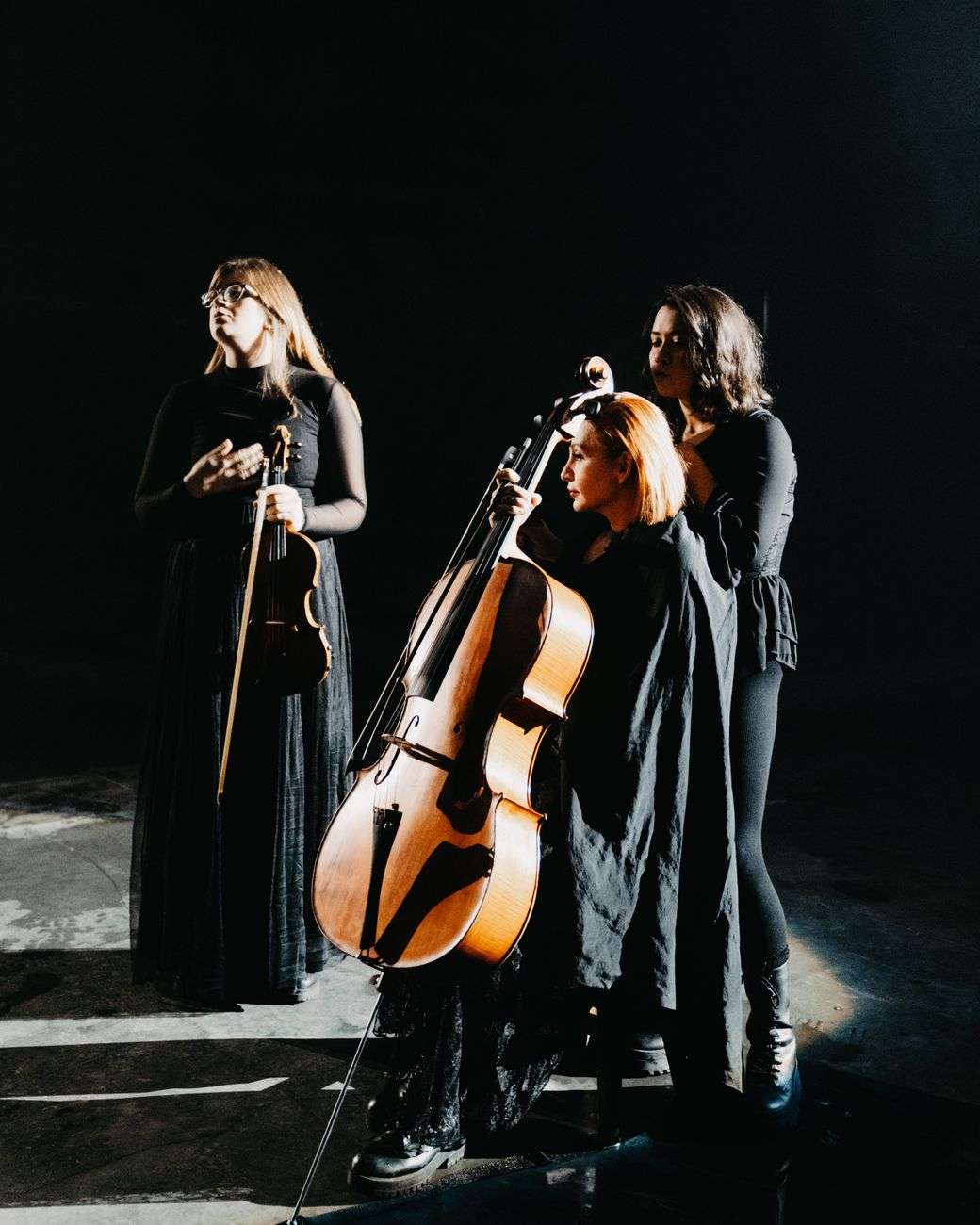
The Duncan siblings are no strangers to performing together. But with their new duo Caravel, the brother-and-sister pair are stepping onto stages for the first time as a band built from the ground up around the two of them, and their debut single “Classical Gas” offers a first look at how their violin-and-cello combination sounds when it is the entire ensemble.
The track, an arrangement of Mason Williams’s 1968 instrumental classic, leans on the same classical chops that have defined both siblings’ separate musical lives, with a contemporary production underneath that gives the piece more drive than its original studio recording. It is the kind of arrangement that takes a familiar tune and reframes it for a new audience, and for the Duncans it is also a way of signaling what Caravel will sound like as a working group rather than as a side project.
Why “Classical Gas” Was a Smart First Choice
“Classical Gas” has been covered countless times since its release in 1968, in genres ranging from bluegrass to electronica, but the piece still carries the kind of melodic weight that rewards careful interpretation. For a debut single, picking a song that audiences already recognize lowers the barrier to entry: listeners do not have to learn a new melody before they can decide whether they like what Caravel is doing with it. That is a useful position for a new duo, especially one whose instrumental palette starts with strings.
The arrangement also gives the Duncans a chance to show what they can do as a unit. Mason Williams’s original version layered guitars and orchestral instruments over a brisk tempo, and Caravel’s reinterpretation can use the contrast between the violin and the cello to create the kind of call-and-response that the original recording achieved through overdubs. That structural similarity is probably not accidental; a duo that wants to compete with full-band productions has to find ways to suggest a fuller sound without actually having one.
The Duncans’ Musical Backgrounds
Both siblings have spent years performing separately in ensembles across the Gulf Coast, and their classical training shows in the precision of the new arrangement. The cellist’s tone in particular carries the kind of evenness that comes from long hours in practice rooms, and the violinist’s phrasing pushes the melody forward in a way that is more characteristic of soloists than of section players. Together, they sound less like two musicians who happen to be siblings and more like a duo who have spent real time figuring out how to listen to each other.
The Caravel project also represents a different kind of musical ambition than the classical training that underpins it. Where orchestral and chamber-music performances are typically bound to printed programs and concert-hall settings, a duo recording a single is positioning itself for streaming playlists, social-media promotion and the kind of touring that string players have historically pursued less often than rock or country acts. The single’s production values — the contemporary rhythm section underneath the strings — reflect that ambition.
What Comes Next for the Duo
Following the debut single, Caravel is likely to release additional tracks that explore the duo’s range. The combination of violin and cello can handle almost any genre, from classical and folk to pop and jazz, and the siblings’ classical training gives them the flexibility to move between styles without losing the precision that defines their playing. The question for Caravel will be whether the duo can build an audience that follows them across genres, or whether listeners will expect them to settle into a particular niche.
For audiences along the Gulf Coast, the debut single is also a chance to hear local musicians taking a swing at a national-class recording project. The Gulf Coast has produced more than its share of classically trained performers, and the siblings’ decision to launch Caravel as an independent project reflects the kind of entrepreneurial approach that has become more common among classically trained musicians in recent years. Whether the duo can turn that approach into a sustainable career will depend on the reception of “Classical Gas” and whatever follows.
The Wider Context for String Duos
String duos occupy a particular niche in the contemporary music world. They have the technical depth of classical training, the visual intimacy of a small ensemble, and the flexibility to play just about any venue, from coffee shops to concert halls. That flexibility has made the format more popular in recent years as streaming platforms and social media have lowered the barriers to releasing music without a major label.
For Caravel specifically, the choice of “Classical Gas” as a debut single is also a savvy piece of audience-building. The tune is instantly recognizable, which means the duo can attract listeners who would not necessarily seek out a violin-and-cello recording on their own. Once those listeners are drawn in, the siblings’ classical training and the production underneath the strings give them a chance to convert casual listeners into regular fans.
Why the Project Matters to the Gulf Coast Music Scene
The Gulf Coast music scene has long been associated with country, blues and the kind of beach-town pop that drives summer tourism, but the region has also produced a steady stream of classically trained musicians whose careers have taken them to orchestras and conservatories around the country. Projects like Caravel give those musicians a reason to stay connected to the region even as they build careers that span genres and audiences.
By launching their duo with a debut single rather than waiting for an orchestral audition or a conservatory placement, the Duncan siblings are also participating in a broader shift in how classical musicians approach their careers. The combination of strong classical training and an entrepreneurial willingness to record and release independently is increasingly common among string players in their twenties and thirties, and Caravel is one more example of how that combination can produce music that is accessible to a wide audience without sacrificing technical depth.
What Audiences Should Listen For
For listeners approaching “Classical Gas” for the first time as a Caravel track, the most useful comparison is probably not to the original Mason Williams recording but to the long line of covers the song has generated over the past five decades. Each version has tended to highlight a different aspect of the tune: the original showcased Williams’s guitar work, country versions leaned on fiddle leads, and electronic remixes turned the song into something closer to dance music. The Caravel arrangement is its own entry in that lineage, one that uses two string instruments to recreate the kind of layered texture the original achieved with a full studio ensemble.
The cello part in particular carries the song’s bass line in a way that gives the arrangement a slightly different harmonic foundation than the original. The violin handles the melody, but the cello’s role underneath adds a warmth that guitar-bass arrangements tend to miss, and the contemporary production underneath both instruments pulls the song closer to the kind of pop-radio sound that audiences in 2026 expect from instrumental tracks. The result is a cover that respects the original without trying to reproduce it note for note.
How the Duo Plans to Tour
Following the release of “Classical Gas,” Caravel is expected to play a mix of local and regional dates to build the kind of live audience that an independent recording project needs to sustain itself. String duos can perform in venues that full bands cannot easily play, from small listening rooms and outdoor festivals to private events and university recital halls, which gives the duo a wide range of options for building a touring schedule.
For audiences along the Gulf Coast, the debut of Caravel also represents a chance to hear musicians who have spent years training in classical settings apply that training to a project designed for a contemporary audience. The combination of technical skill and stylistic ambition is what makes the project worth following, and the debut single gives listeners a clear sense of what to expect from the duo’s live performances.
Local listeners who want to follow Caravel’s progress can find the duo on the usual streaming platforms and on social media, where the siblings have been posting rehearsal clips and studio updates. The debut single is just the first entry in what is expected to be an ongoing project, and the response from listeners will help shape what the duo records and releases next.
The siblings have said they plan to spend the rest of the year writing and recording additional material, with live performances to follow once the catalog is large enough to support a set list. That approach is common among independent artists who want to build momentum around a release rather than a touring cycle, and it gives Caravel time to refine its sound before hitting the road in earnest.