

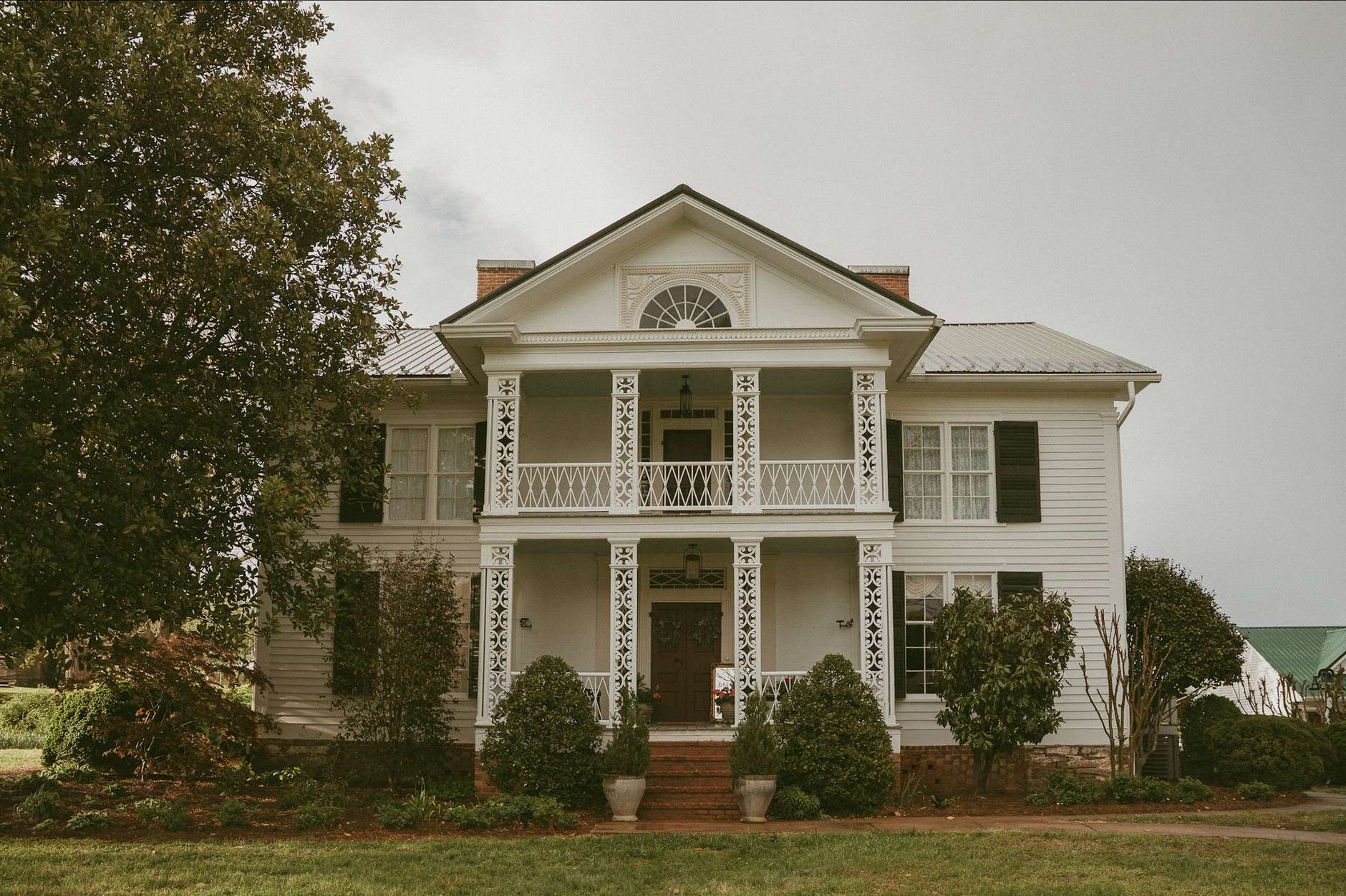
A century-old landmark in downtown Fairhope has fully reopened its doors as guests settle into six newly restored suites, the culmination of a yearslong, roughly $1 million restoration by owner Shelley Springer. After running the property in recent years as the Summit Street Inn, Springer decided once the renovation wrapped up to reclaim the building’s original 1925 name: the Fairhope Hotel.
“Restoring this property has truly been a labor of love,” Springer said. “Returning to the original name felt like the right way to honor the history of the building and everyone who has been part of its story over the past 100 years. We’re excited to finally welcome guests and share the space with the community.”
Roots Stretching Back to 1908
The building’s story predates its 1925 construction. Captain John “Jack” R. Cross, a native of the United Kingdom who earned his officer’s rank with Queen Victoria’s Westminster Guards, arrived in Fairhope in 1908 with his wife, Eloise Gardner. After a brief stretch farming the Ring Farm, the couple spent 20 years running The Gables, an inn at the southwest corner of Church Street and Fairhope Avenue, before deciding to build a place of their own.
That building went up in 1925, constructed by well-known local contractor Marmaduke Dyson, whose signature rock-faced cinder blocks – known locally as Dyson Block – can still be spotted on homes throughout Fairhope. Advertisements from 1932 pitched the new Fairhope Hotel to Northern and Midwestern travelers as “a homey place to spend the winter,” touting its location between Mobile Bay and downtown.
Cross became something of a local legend. Newspaper accounts dubbed him the “Sage of Fairhope,” and his obituary described him as a “friend of artists and authors from every section of the world” who corresponded with thousands of people around the globe. Among his friends was Mobile artist Roderick Mackenzie, a fellow English native who is pictured with Cross on the hotel’s front porch in photographs from the late 1920s. In 1926, the Alabama State Capitol Commission commissioned Mackenzie to paint eight murals depicting scenes from Alabama history for the Capitol rotunda in Montgomery; the canvases, along with decorative plasterwork he designed and sculpted, remain on display there today.
Decades of Change
The hotel changed hands several times over the following decades. Dr. W.C. Mason bought the property and kept it operating as a hotel until 1958, when he converted it into his private residence. The Wallace Milham family purchased it in the 1970s and returned it to its innkeeping roots, running it as The Yardarm Guesthouse and adding the Square Rigger Restaurant – whose cast-iron anchor still sits in the front yard. In the 1990s, the building was converted into offices and living space for Alice and France Fredricks, a mother-daughter marriage and family counseling team.
Springer, who moved to Fairhope in 2005 to raise her two sons and now owns Gumbo Real Estate, purchased the property in 2021 with rehabilitation in mind. She initially ran it as a vacation rental under the name Summit Street Inn – a nod to its location at the corner of Summit Street and Fairhope Avenue – while the gift shop Peek operated out of the parlor.
Restoring the Original Character
Springer said one of her first moves was removing the windows that had been added to enclose the front porch, restoring its open, historic look. The building had also been painted pink at some point in its history; Springer had it repainted white, closer to its original color. “The rockers are a front seat to Fairhope,” she said of the reopened porch, which sits within easy walking distance of downtown shops, restaurants, the Fairhope Pier and beach, and area parks and trails.
Throughout the restoration, Springer worked to preserve original details wherever possible, including the heart pine flooring on both floors, transom windows with brass hardware above seven doors, decorative quoins on the building’s exterior corners, and the original clay pots at the front entryway.
Rather than hiring outside consultants to navigate the historic designation and tax credit process, Springer and her assistant, Ann Silvernail, handled much of the work themselves, partnering with Rebecca Bryant of Watershed for design plans as the project moved through review by the National Park Service and the Alabama Historical Commission. The roughly $1 million project ultimately secured federal historic tax credits covering 20% of the cost, with Springer also applying for state credits worth an additional 25%. “I cried tears of joy” upon learning the federal funding had come through, Springer said, calling it validation that the project was worth pursuing given Fairhope’s cultural and economic history.
A New Chapter for a Century-Old Building
The Fairhope Hotel marked its grand reopening in late July with a ribbon-cutting and open house at 131 Fairhope Ave., inviting the community to tour the six restored guest suites and shared common spaces before the property began welcoming overnight guests. The property sits within the Bayfront Historic District on the National Register of Historic Places, within walking distance of the Eastern Shore Art Center and downtown Fairhope’s shops and restaurants.
Springer said she is the fifth owner of the building and set out to restore it “to its former glory.” “Fairhope was founded by visionaries,” she said. “I want to honor them and preserve this.” Each of the six guest rooms carries its own design inspired by a piece of Fairhope’s history, including a room called Ecor Rouge situated across from a space honoring the Bay Queen, a nod to the steamships that once ferried early visitors to the Fairhope Pier. “It’s kind of like going to stay with your family … It’s that nice Southern touch,” Springer said.
Rates at the Fairhope Hotel start at $179 per night, with first-time guests able to save 15% using the code FOUNDER when booking through fairhopehotel1925.com. Nearby residents say the boutique hotel fits naturally into the neighborhood. “What’s so great about it is it’s close to downtown, walkable distance there, walkable distance to the bay. And it just fits into the personality of our community so well,” said Fairhope resident Ann Silvernail.
Why the Restoration Matters to Fairhope
The Fairhope Hotel’s restoration sits inside a much broader effort to preserve the architectural character of downtown Fairhope, a community whose identity is built around its small-town scale, walkable streets and 19th-century founding ideals. Properties like the Fairhope Hotel, located within the Bayfront Historic District on the National Register of Historic Places, contribute directly to the visual and cultural texture that draws visitors to the city year after year, and Springer’s careful attention to the original Dyson Block exterior, the heart pine flooring and the brass transom hardware reflects a working knowledge of what makes a historic building worth preserving.
The roughly $1 million price tag also illustrates how private investment, paired with federal and state historic tax credits, can make preservation projects financially viable for small operators. The federal credits alone covered 20 percent of the cost, and Springer applied for additional state credits worth another 25 percent. That kind of funding structure is what allows a single innkeeper to take on a building that might otherwise be subdivided into offices or left to deteriorate, and the Fairhope Hotel is now a working example of how the tax-credit system is supposed to function.
From Vacation Rental to Boutique Hotel
Springer’s decision to reclaim the Fairhope Hotel name after running the building as the Summit Street Inn for several years was also a deliberate move to reconnect the property to its original identity. The Summit Street Inn era allowed Springer to learn the rhythms of running a small lodging property while she tackled the more demanding restoration work in stages, and the gift shop Peek operated out of the parlor during that period, giving the building a visible retail presence that helped introduce it to both visitors and locals.
The transition back to the Fairhope Hotel name also opens the door to a different kind of guest. Where the Summit Street Inn functioned largely as a vacation rental, the Fairhope Hotel positions the property as a boutique hotel with a stronger connection to Fairhope’s history and a marketing presence aimed at travelers who want to stay in a place with a documented past. Each of the six guest rooms carries its own design tied to a piece of the city’s history, including the Ecor Rouge room and a space honoring the Bay Queen, the steamships that once brought visitors to the Fairhope Pier.
The Next Century of the Building
With the restoration complete and the doors reopened, the Fairhope Hotel’s future depends largely on the same forces that have shaped its past: a community that values historic preservation, walkable downtowns and small-scale lodging. Springer has indicated she wants to operate the hotel as a working piece of Fairhope’s tourist economy rather than as a museum piece, and the rates starting at $179 per night put the property in a price band consistent with other boutique hotels in the Eastern Shore market.
The Fairhope Hotel also becomes the latest addition to the small inventory of preserved 1920s buildings in active commercial use along the Eastern Shore, alongside other restored inns, residences and civic buildings in Fairhope, Daphne and downtown Mobile. For travelers interested in staying in a property with a documented past, the hotel offers an experience that newer construction cannot replicate, and for Fairhope residents who watched the building change hands over the decades, the reopening closes a chapter that began more than a century ago when Captain Cross decided to build a place of his own.