

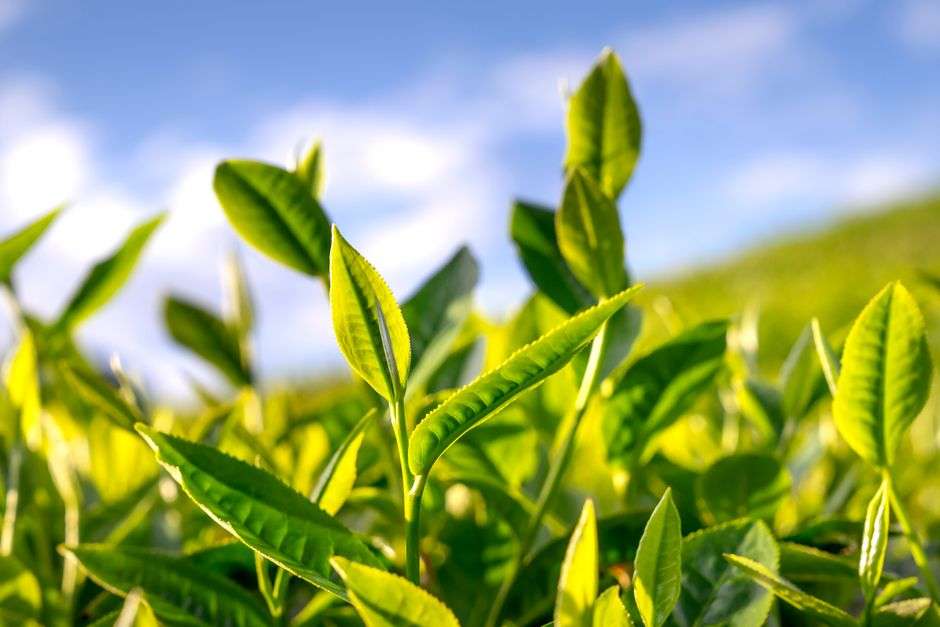
How a pile of hurricane debris became Alabama’s oldest tea farm
On a September day in 1979, in the aftermath of Hurricane Frederic, Donnie Barrett was hauling storm debris to a dump site at the Auburn University Research and Extension Center in Fairhope. He was not thinking about tea. But the Lipton Tea Company had been quietly running a tea-growing experiment at the facility — what locals called the “Substation” — and when the experiment ended, the tea plants ended up in burn piles. Bill Barrett, Donnie’s father, was an agricultural research scientist and the center’s superintendent. Standing among the debris, he told his son to get some of those plants before they burned.
That offhand instruction turned into a life’s work. The cuttings Donnie Barrett rescued from the burn piles became the foundation of the Fairhope Tea Plantation, today regarded as the oldest tea farm in the United States — by Barrett’s count, about eight years older than the well-known Charleston Tea Garden in South Carolina. The farm, tucked away on Lyter Lane in south Fairhope, now claims more than 61,000 tea bushes and produces roughly 300 pounds of finished tea a year, nearly all of it sold face-to-face at the farm itself.
Learning the craft the hard way
Rescuing the plants was the easy part. Turning their leaves into drinkable tea was another matter. In the late 1970s and early 1980s there was essentially no one in the United States who could teach him how. So in 1984 Barrett made the first of what would become three research trips to China, the historical center of tea production. He traveled not as a pilgrim to temples and tourist sites but as a careful observer of working tea farms and factories, watching how fresh leaves were processed into finished tea.
“Tea plants are very picky,” Barrett has explained over the years. They need slightly acidic soil, abundant water and careful pruning. And the processing is where the real difficulty lies. “All tea comes from the same plant,” he says. “Simply drying leaves from the plant doesn’t by itself make tea. Making tea from the leaves and stems is a family and industrial secretive process.” He describes what he learned in China bluntly, with a grin: he picked up the technical secrets by watching, and brought them home to Baldwin County.
It took a full decade of trial and error before he considered the tea good enough to sell. He began selling around 1990 — the same year he and his wife Lottie moved to the south Fairhope farm where the plantation operates today, carrying hundreds of young plants he had rooted from cuttings of the originals.
From Hurricane Blend to Fairhope Tea Plantation
The farm has worn several names over the decades. The first tea was marketed as Hurricane Blend, a nod to the storm that started it all. Then came Lytermanor Tea Farm, named for the street where the farm sits. A business in New Hampshire that bought his first bulk tea — for frozen tea sickles, because the buyer thought the tea was “light” — prompted another change, and Fairhope Tea Company followed. The final name came courtesy of a visiting tourist from up north who remarked, “I’ll bet you have a plantation.” Barrett and his wife adopted the title, and the operation has been the Fairhope Tea Plantation since 1996.
The product line has stayed deliberately simple: green tea and black tea, all grown, processed and packaged on the farm. Barrett and his wife constantly run trials and taste tests to refine the finished product, and Barrett is the first to admit the early batches were not very good. “My first tea was not very good,” he has said. “We have evolved immensely.”
Tours, peacocks and a cup of tea at the source
The plantation is open by appointment, and a visit runs about an hour. A tour takes guests around the tea farm by golf cart — often with a stop to watch Barrett raking tea in the drying bed — and includes a cup of tea, a short talk on how tea is made, a tea plant to take home, and the chance to buy packaged loose-leaf tea or tea bags on site. Peacocks roam the property, calling over one another while guests sip. The physical address is 12424 Lyter Lane, Fairhope.
For those who prefer to buy rather than tour, the tea has surfaced at a handful of local retailers over the years. It has been carried at Copper Roof Antiques on Fairhope Avenue, at the Fairhope Fresh Market, and at the Copper Kettle Tea Bar in Foley. Barrett keeps the operation small by design. “I make about 300 pounds of tea and there’s no reason for me to sell any of it at wholesale price because I sell every bit of it right here in my driveway,” he told a Birmingham television station in 2022. He estimated at the time that half his customers tell him their spouses will drink nothing else.
A singular piece of Baldwin County agriculture
Barrett spent more than two decades managing the Fairhope Historical Museum, an institution he says he designed, produced and installed himself, before retiring to focus on the tea. Asked once whether he would plant more, he was candid: “If I was younger, I’d probably be planting more tea because I’ve got a national reputation going. But I’m old and I’m just resting on my laurels now, and we are running the tea business just so we can enjoy it.”
Enjoy it they do. Lottie Barrett has watched her husband at work among the rows for decades and offers the simplest possible verdict on the whole enterprise: “Donnie seems happiest when he’s outside among his tea plants, picking tea.”
Nearly half a century after a father pointed his son toward a burn pile, those rescued Lipton experiment plants still shade the story of American tea — and the oldest tea farm in the country is still growing, still experimenting, and still pouring, one cup at a time, in Fairhope.