

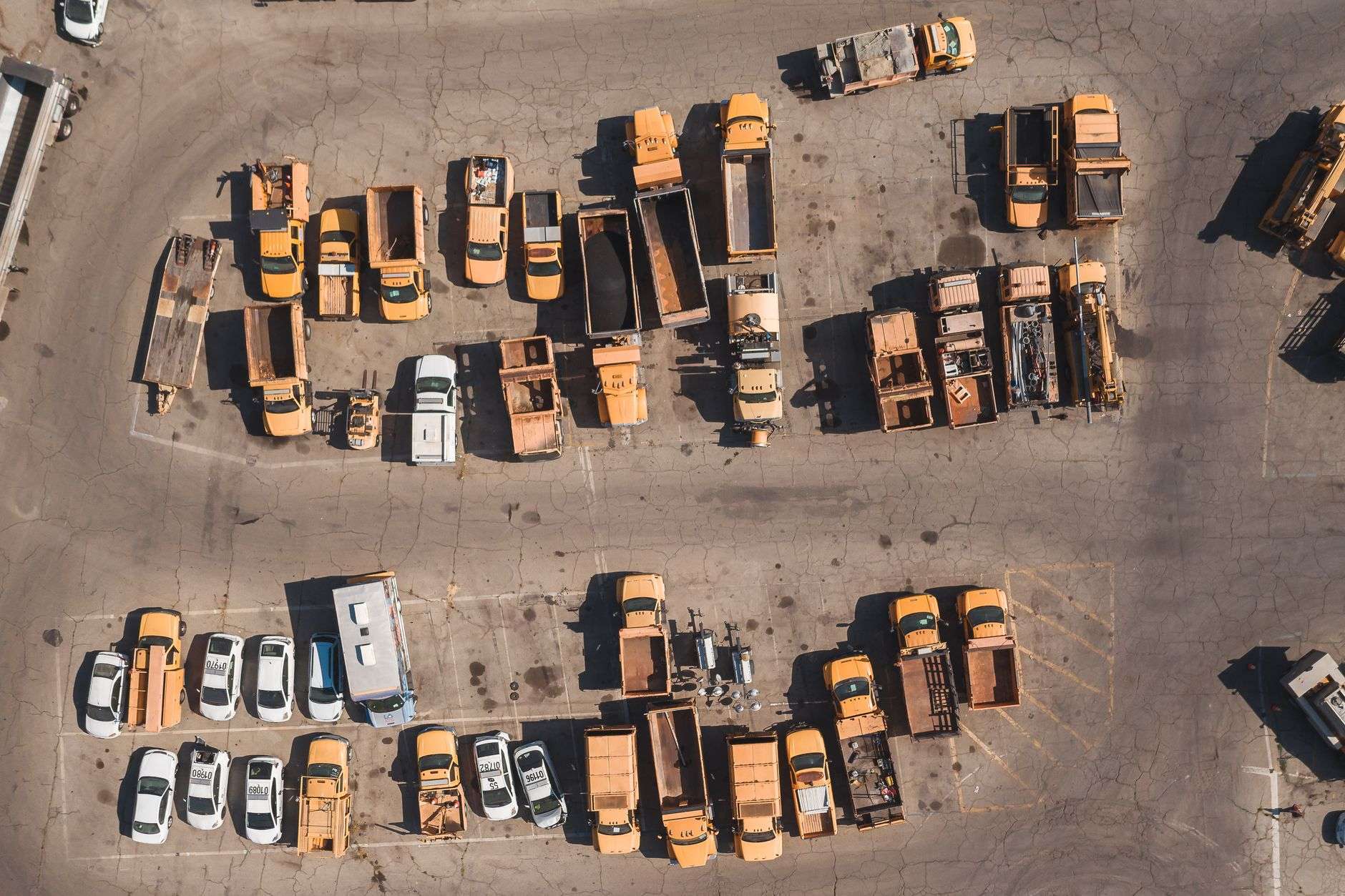
The city of Foley marked the completion of a major infrastructure project Monday, holding a ribbon cutting and plaque dedication for its new public works facility on East Section Street. The project took more than three years to bring to life. Mayor Ralph Hellmich highlighted resiliency as a central goal behind the facility’s design, saying the campus was built with severe weather in mind. “We planned out this facility. It’s resilient. It also allows us, after a storm, to quickly get back up and working,” Hellmich said.
That focus on storm readiness is a common priority for coastal Alabama municipalities, where hurricanes and tropical systems can knock out infrastructure and delay recovery efforts for days or weeks. A public works base built to keep functioning through severe weather allows a city to restore roads, utilities and other essential services more quickly once a storm passes. In the aftermath of a major landfall, the first hours and days belong to the crews who clear debris from arterial roads, restore traffic signals and keep drainage systems moving; a base that loses power, fuel or its garage to the same storm that hit the rest of the city cannot do that work. Baldwin County’s communities learned those lessons across repeated storms, and the ones built most recently — like Foley’s — increasingly reflect them in concrete, elevation and power supply.
According to Hellmich, the new campus is designed to serve Foley’s needs for roughly 40 years and will support the city’s ongoing infrastructure expansion, including road work and other essential services. The mayor tied the investment directly to the pace of Foley’s growth, noting the city’s standing among the nation’s fastest-expanding communities. “We’re one of the 10 fastest growing cities in the United States,” he said.
Built to Keep Running
The roughly $17 million complex sits on about 14 acres and includes five buildings, among them a 16,000-square-foot fleet maintenance garage that services vehicles not just for public works but for the police department, fire department and other city vehicles. Consolidating fleet service on one hardened campus means police cruisers, fire apparatus and sanitation trucks all draw on the same bays, lifts and parts inventory — an efficiency the city could not achieve when departments maintained equipment in separate, older buildings.
Every building on the campus is built to withstand winds up to 160 mph, and two natural gas generators are designed to keep the site running through power outages. The wind rating is calibrated to a major hurricane’s eyewall rather than an ordinary tropical system, meaning the facility is intended to ride out the kind of storm that would force most of the city’s other buildings to be evacuated. Natural gas, which arrives by pipeline rather than depending on tanker deliveries after a storm, was a deliberate choice for the same reason.
Fuel storage capacity was also expanded, growing from about a week’s supply at the old facility to three or four weeks — a difference officials say will matter most in the stretch after a major storm. In past Gulf Coast recoveries, fuel has been among the scarcest commodities in the days after landfall, when supply lines from Mobile and Pensacola are disrupted and regional distribution terminals wait for power and inspections before resuming shipments. A city whose crews can fuel themselves for a month operates on its own schedule rather than waiting on the region’s.
The new campus replaces a facility that opened in 1991, when Foley had about 7,300 residents. The city has since grown to more than 30,000 people, and its public works department has expanded to match: staffing has grown from 25 employees to more than 100, and the municipal fleet has expanded from 142 vehicles to 520. The department now maintains more than 40 miles of sidewalks and has added dedicated drainage, tree-trimming and road-building crews that did not previously exist. Those specialized crews reflect the way the department’s workload has changed as the city annexed and developed mile after mile of new residential streets and commercial frontage — maintenance that was once occasional is now a continuous operation requiring dedicated teams.
Keeping Pace With Growth
The campus also serves as the base for the city’s residential sanitation operation. Crews collect garbage weekly from roughly 23,000 homes using five trucks running four-day routes, and about 40% of Foley households currently participate in curbside recycling. The routing model — four long collection days rather than a five-day split — concentrates trucks and crews at the campus at the start of each week, another factor in how the new facility was laid out. Participation in curbside recycling, meanwhile, has become one of the standard measures coastal cities use to reduce landfill volume as growth outpaces disposal capacity.
City officials described the new facility as a key piece of keeping up with that growth while maintaining residents’ quality of life. The site houses public works employees and equipment and operates Monday through Friday, giving the city a central base for maintaining roads and infrastructure while also serving as a launch point for rapid response after severe weather events. Centralization is the operational idea underneath the project: crews, equipment, fuel, parts and dispatch all start from one location, cutting response time in normal operations and in emergencies alike.
Foley has seen substantial residential and commercial development in recent years as part of Baldwin County’s broader growth, a trend that has pushed local governments across the county to expand infrastructure and staffing to keep pace. The county’s population boom — driven by retirees, families relocating from larger metros and the expansion of the Gulf Shores and Orange Beach tourism economies inland — has made Baldwin one of the fastest-growing counties in Alabama, and cities along the U.S. 98 and Alabama 59 corridors have absorbed much of that increase. Foley sits at the heart of that corridor, and its capital planning has consistently run ahead of the growth curve relative to similarly sized cities in the county.
The new public works facility adds to a list of recent civic investments in the city aimed at supporting that expansion over the long term. Municipal improvements of this scale — a $17 million outlay for a city of just over 30,000 residents — are typically financed through a combination of reserves, bonds and dedicated revenue, and they are planned years in advance of when the added capacity is actually needed. The three-year build timeline for the East Section Street campus fits that pattern: the facility opens into a city larger than the one that authorized it, with room to grow into the demand that a 40-year planning horizon anticipates.
An Operational Hub for Decades
The plaque dedicated at Monday’s ceremony joins a growing roster of civic landmarks marking Foley’s transformation from a small south Baldwin County farming town into one of the region’s commercial centers. City leaders have long pointed to that trajectory — from the downtown of the early 1990s to the retail and medical expansion of recent years — as the reason for building infrastructure in advance of need rather than after it. The public works campus, officials indicated, is intended to be the physical expression of that philosophy: a base sized not for the city of today but for the city the current growth trajectory projects.
With the ribbon now cut, the East Section Street facility is expected to serve as an operational hub for Foley’s public works department for decades to come, giving the city added capacity to maintain its infrastructure and respond to emergencies as it continues to grow. Update (Aug. 1, 2026): The city has since specified the exact location of the new campus: it sits at the intersection of North Poplar Street and East Section Avenue in Foley.
Behind the numbers sits the economics of fleet maintenance, which drove much of the campus design. A municipal fleet of 520 vehicles — everything from one-ton pickups to sanitation packers, graders and heavy road equipment — requires a maintenance operation closer to a commercial trucking company’s than the small garage the 1991 facility offered. Each vehicle in a fleet of that size needs scheduled service intervals, and any backlog translates directly into equipment unavailable for routes, repairs and storm response. The 16,000-square-foot garage allows preventive maintenance to run on schedule regardless of weather, and its hardened construction means the city does not lose its only service capability in the same event that generates the heaviest workload.
The facility’s location on East Section Street also reflects the practical geography of public works. Crews need fast access to the arterial roads that carry traffic through the city, to the state highways that connect Foley to the rest of Baldwin County, and to the residential subdivisions where most service calls originate. A central base shortens every run — the daily garbage routes, the pothole crews, the storm-debris pickups — and over a year the difference in mileage and crew hours across a 520-vehicle fleet is substantial.
Storm hardening, meanwhile, has become a shared language among south Baldwin County’s municipal governments. Cities along the coast have incrementally raised construction standards for their own facilities since the destructive hurricane seasons of the early 2000s, and new public safety and public works buildings across the county increasingly specify generator power, elevated critical equipment and multi-week fuel reserves as baseline requirements rather than upgrades. Foley’s 160 mph rating places the new campus at the protective end of that spectrum, matching the standard typically reserved for emergency operations facilities.
For Foley residents, the practical effect will show up in two places. In day-to-day life, it means the services that depend on the department — street repairs, sidewalk maintenance, drainage work, weekly garbage collection and recycling — operate from a base with the space and equipment to keep more than 100 employees and their vehicles working without bottleneck. And when the next hurricane finds the Gulf Coast, it means the city’s recovery machinery starts from a campus with power, fuel and intact equipment, rather than one digging out alongside everyone else. City officials have framed that second capability as the facility’s ultimate test, and its design is meant to ensure that when the test comes, Foley is among the cities that passes it first.