

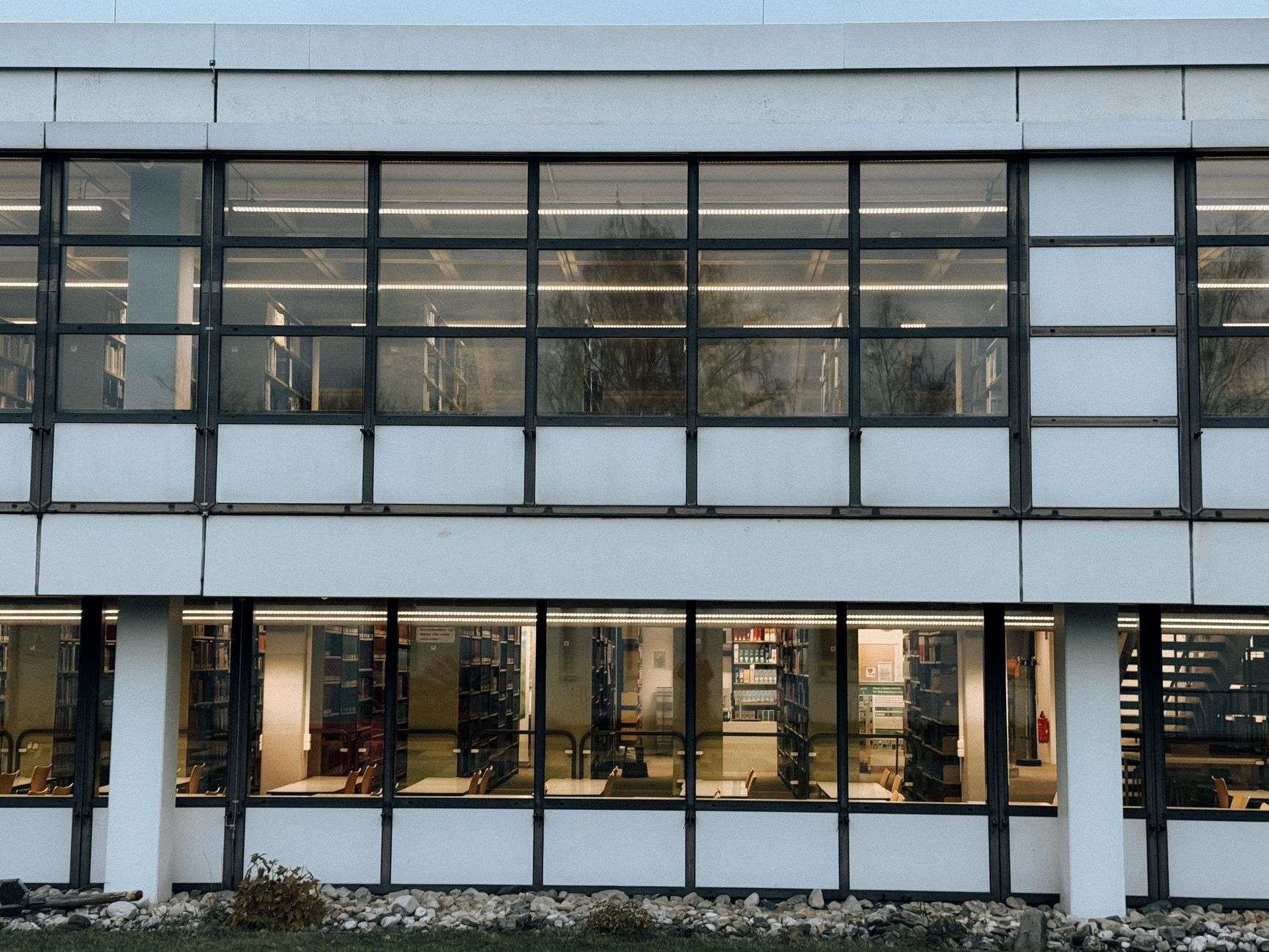
After more than four decades inside the same building, the Foley Public Library is preparing to turn the page. Library Director Kate Norris and her staff are packing up decades of books, records and memories as they get ready to move into a larger, newly built facility set to open its doors on Tuesday, Aug. 4, 2026. The move marks one of the most significant milestones in the library’s roughly century-long history of serving Foley and the surrounding Baldwin County community.
A Century of Service to Foley
The Foley Public Library’s roots stretch back nearly 100 years, evolving alongside the city itself from a small reading room into a full-service public library system. For the past 42 years, the library has operated out of a building that opened in 1984, a facility that served generations of Foley residents, students and families as the town grew from a quiet farming community into one of Baldwin County’s fastest-growing municipalities.
As Foley’s population has expanded rapidly in recent years, so too has demand on the existing library building, which has long since outgrown the space it was designed for. The 1984 building was sized for a town whose growth curve still ran gentle; Foley’s subsequent decades — new subdivisions, commercial growth along the Highway 98 and Alabama 59 corridors, and a wave of new families drawn to the city’s schools and South Baldwin quality of life — pushed traffic through its doors that the floor plan was never built to hold.
Director Kate Norris, who has overseen the library through much of that growth, has described the upcoming transition as bittersweet. The current building holds decades of institutional memory, from story-time sessions with generations of Foley children to research help for students, job seekers and retirees alike.
Even so, Norris and her team have emphasized that the move represents an exciting new chapter rather than an ending, one that will allow the library to better meet the needs of a community that has changed dramatically since the doors first opened in the 1980s.
What the New Facility Will Offer
The new library building has been designed to significantly expand on the services and space available at the current location. While specific details of the new facility’s programming will continue to roll out as the opening date approaches, larger public libraries of this kind typically bring expanded shelving for books and media, more meeting and study rooms, updated technology and computer labs, dedicated children’s and teen areas, and additional space for community programs and events.
For a city like Foley, which has seen steady residential and commercial growth pulling in new families from across the region, a larger library footprint is expected to help accommodate rising demand for everything from summer reading programs to public meeting space.
What residents will notice first, beyond the square footage, is the arrangement of the building itself. Modern library design separates the loud from the quiet: children’s areas where story hour can carry on at full volume, teen rooms where group work belongs, and adult reading zones buffered from all of it. The 1984 building’s single shared floor made that separation difficult as use grew; a purpose-built larger facility can give each kind of visit its own place, which is often the change patrons feel more than any shelf count.
Library staff have spent recent weeks preparing for the physical move itself, a substantial undertaking that involves relocating the library’s full collection, technology infrastructure and furnishings from the 1984 building to the new site. Moves of this scale for public libraries typically require careful planning to minimize disruption to patrons, and library officials have indicated they are working to ensure the transition to the new building goes as smoothly as possible for the community members who rely on the library’s services.
The logistics behind such a move are rarely visible to the public and rarely small. Every item in the collection must be inventoried, boxed and tracked so that shelving at the new site lands in the right order; the network that runs the library’s catalog, checkout system and public computers has to be migrated and tested before the first patron card is scanned; and the daily services — holds arriving, story hours scheduled, meeting rooms booked — have to keep running as close to normal as the packing allows. Staff who have worked in one building for a decade or more are effectively disassembling their own workplaces while still operating them.
Why It Matters for the Community
Public libraries have long served as more than just repositories for books. In many small and mid-sized cities like Foley, the local library functions as a community hub, offering internet access, tutoring and literacy programs, meeting space for civic groups, and a safe, free destination for families.
As Baldwin County has experienced some of the fastest population growth in Alabama over the past decade, driven in part by retirees and families relocating from out of state, local institutions such as schools, parks and libraries have had to adapt to serve a much larger population than they were originally built for. Baldwin’s growth has outpaced most of the state for years, and the county’s municipalities have each faced the same equation: the infrastructure built for a smaller town, meeting a county that keeps getting bigger.
The expanded Foley Public Library is expected to help fill that gap, giving the city a facility better sized to its current and future population. For longtime residents, the move also carries a sense of nostalgia, as the building that opened in 1984 represented its own new chapter for the library at the time, replacing even earlier, smaller quarters as Foley grew through the 20th century.
The growth that forced the issue is visible from the library’s own circulation desk. New Baldwin arrivals — many of them retirees from northern states and young families from Florida, Georgia and beyond — arrive as heavy library users: they need internet access before their utilities are connected, meeting rooms for new civic groups, job-search help for career moves, and children’s programming in a community where they have not yet built a network. A library is often the first public institution a new resident walks into, which is why Baldwin cities have treated library capacity as infrastructure rather than an amenity.
Foley’s own trajectory explains the timing. The city’s growth has been anchored by its schools, its position on the U.S. 98 corridor between the bay and the beaches, and a commercial base that has expanded with the county’s population rather than merely keeping pace. Each of those engines adds library users, and each year of delay added users to a building already past its design load. The 2026 move is, in that sense, the response to a decade of demand already on the books.
Each chapter in that history answered the city as it existed at the time. The small quarters of Foley’s early decades served a farming town built around the railroad and the soil; the 1984 building served a city beginning its climb; the 2026 opening serves the Baldwin County of today, in which Foley alone has grown into one of the county’s principal population centers and the demand on public institutions runs far beyond what a generation ago would have seemed sufficient.
Looking Ahead
As Aug. 4 approaches, Norris and the Foley Public Library staff are focused on ensuring a seamless handoff between the old building and the new one. Residents can expect updates from the library in the coming days regarding hours of operation, any temporary closures associated with the move, and details about opening festivities at the new location.
For a library approaching its 100th year of serving the Foley community, the opening of its newest home is being framed by staff not as the end of an era, but as the beginning of the next chapter in a long story of connecting Foley residents with books, resources and each other. The shelves, the chairs and the story-hour rug will be new. The work — connecting a growing South Baldwin city with the information, meeting space and quiet it needs — is the same work the library has done since its reading-room beginnings, now with room to do it for the city Foley has become.
The closure calendar in the final week of a library move is its own small civic event. Patrons who had holds waiting, or children expecting the week’s story time, generally see services pause for a few days while the collection lands on new shelves — and the library’s announcement of hours, closures and opening festivities in the days before Aug. 4 is how the staff plans to keep that pause short and the reopening unmistakable. In small cities, a library reopening is the kind of date that circulates by word of mouth as much as by press release.