

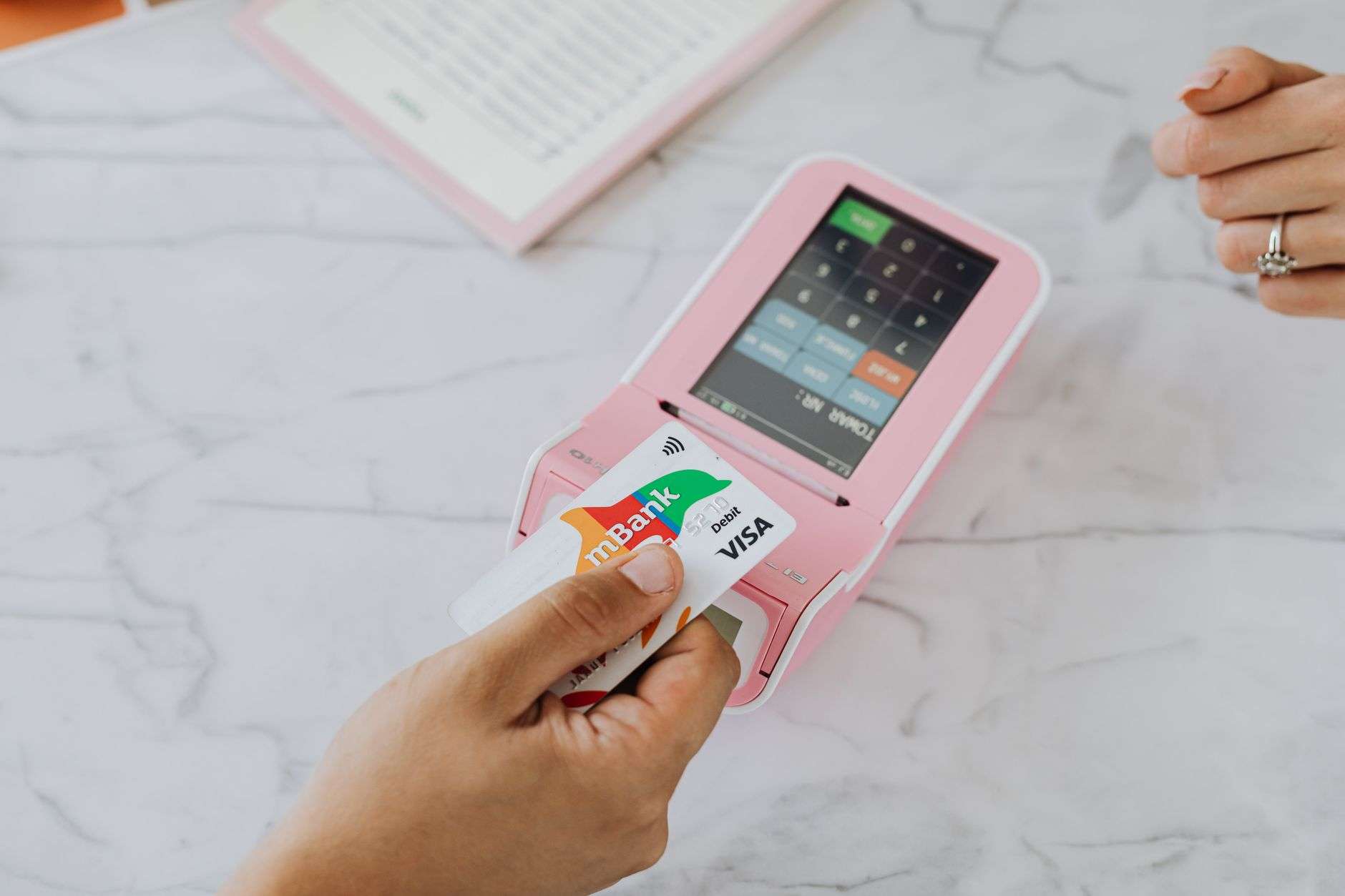
MOBILE, Ala. — A former Mobile Housing Authority employee has been charged with theft, credit card fraud and state ethics violations after authorities alleged he used an agency credit card to buy car parts, air conditioners, grills, headphones and other items for himself over three years, taking more than $69,000 from the public housing agency.
Ray Field Collins, 63, faces five charges: first-degree theft of property, two counts of fraudulent use of a credit or debit card, and two ethics-law counts involving use of a public position for personal gain, according to complaints filed in Mobile County District Court.
Collins was booked into Mobile Metro Jail on Sept. 18 and released Monday, Sept. 21, after posting a $40,000 bond, according to the Mobile County Sheriff’s Office. He is presumed innocent, and none of the allegations has been proven in court.
What the Complaints Allege
The theft complaint accuses Collins of taking $69,363.38 belonging to the Mobile Housing Authority between Jan. 1, 2023, and Dec. 31, 2025.
Two further complaints allege that during the same period Collins used, attempted to use or allowed the use of a PNC Visa card that had been issued to the housing authority.
The two ethics complaints take different angles. One alleges that Collins, as a public official, knowingly used his position for direct personal financial gain. The other alleges he intentionally used a public credit or debit card under his control for private or business benefit.
The court documents do not list the individual purchases or explain how authorities arrived at the alleged loss figure. The sheriff’s office has described the total as roughly $68,000 in unauthorized purchases.
What Investigators Say Was Bought
According to the sheriff’s office, the unauthorized purchases included “car parts, air conditioning units, grills, Bluetooth headphones, earbuds, flooring and other items not used in the repair or maintenance of low-income housing.” Investigators said the purchases were made month after month throughout the 2023-to-2025 period.
How the Spending Came to Light
Investigators said the purchases were uncovered during a roughly two-month stretch when Collins was dealing with a heart issue. During that time, any purchase he made had to be approved by the housing authority’s finance department. That review turned up the unauthorized transactions, and investigators then traced a pattern of similar purchases across the three-year window, according to the sheriff’s office.
Authorities have not publicly described Collins’ job title or the duties that gave him access to the agency card.
The Housing Authority Responds
The Mobile Housing Authority said in a statement that it will not tolerate misuse of its funds.
“The Board of Commissioners and staff intend to ensure that every resource provided by HUD goes toward providing much needed housing within this community and will not tolerate any waste or theft,” the agency said.
The housing authority also thanked Sheriff Paul Burch and his team for what it called a swift and thorough investigation.
The Mobile Housing Authority operates public housing and administers federal housing assistance in Mobile, with much of its funding coming from the U.S. Department of Housing and Urban Development. Money for maintenance and repairs of its low-income properties comes from those public dollars, which is why investigators emphasized that the items allegedly purchased had nothing to do with keeping up the agency’s housing.
The Charges Under Alabama Law
In Alabama, first-degree theft of property covers property valued at more than $2,500 and is a Class B felony. Class B felonies carry a sentencing range of two to 20 years in prison.
Fraudulent use of a credit or debit card is a separate offense aimed at using a card without the authorization of the person or entity to which it was issued. Prosecutors can charge it alongside theft because it targets the method, while the theft count targets the loss.
The ethics counts fall under the Alabama Ethics Act, which bars public officials and public employees from using their positions or public resources for personal gain. An intentional violation of that provision is also a Class B felony. The law applies to employees of public agencies such as housing authorities, not just elected officials.
What Happens Next
Collins had been scheduled to appear in court on Wednesday, Sept. 23, according to the sheriff’s office. As with other felony cases in Alabama, the charges filed in district court can be reviewed at a preliminary hearing and presented to a grand jury, which decides whether to return an indictment and send the case to circuit court.
No attorney for Collins was listed in the information released about the case. He remains free on bond while the case proceeds.