A Georgia woman who mailed a drug-soaked book by a well-known Christian author to an inmate at an Alabama prison has been sentenced to more than six years in federal prison, capping an investigation that began when Mobile and Monroe county jail officials raised alarms about a flood of contraband paper coming through the mail.
Jinna Candice Moore, 44, of Fairburn, Georgia, was sentenced to 78 months after pleading guilty in January to three counts of distribution of a controlled substance and three counts of unlawful use of a communication facility, according to records in the case. Authorities said she mailed illicit drugs to Alabama prisons, at least one county jail and other people in the state.
After she completes her prison term, Moore will serve three years on supervised release.
What ‘Paper Route’ is
The case centered on a form of contraband known as “Paper Route.” It also goes by “jail paper,” “drug-soaked paper” or “strips.”
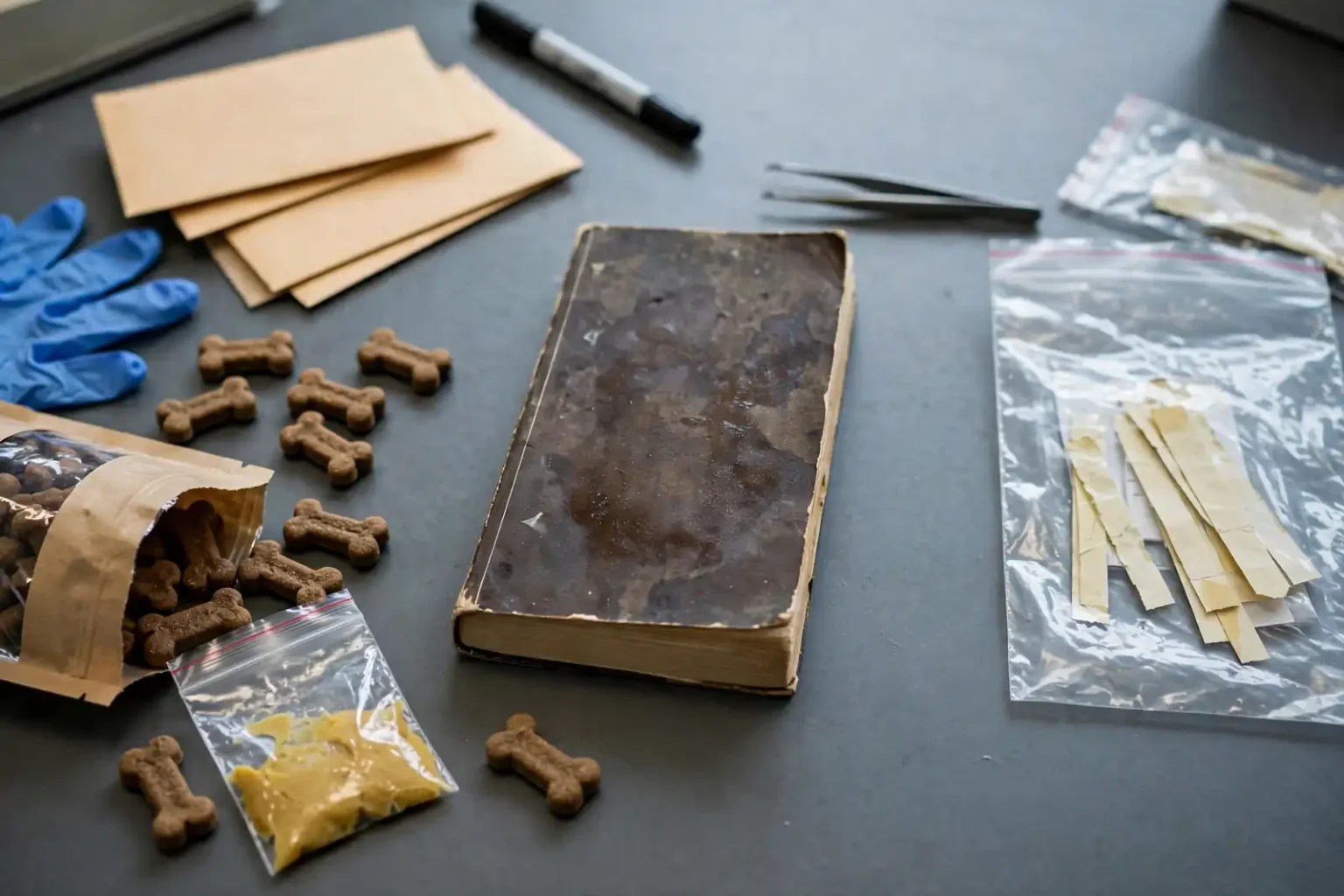
According to investigators, highly potent synthetic substances are sprayed onto paper so the drugs can be smuggled into correctional facilities disguised as ordinary mail. Once inside, inmates eat or smoke the paper to experience hallucinogenic effects.
The method is difficult to detect because treated paper can look like a normal letter, greeting card or page from a book. Corrections systems across the country have reported similar smuggling schemes in recent years, and many facilities have responded by photocopying incoming personal mail or limiting what can be sent to inmates.
The danger is not hypothetical. A federal agent noted that there have been several overdoses and deaths in Alabama and Georgia correctional facilities linked to Paper Route.
A Max Lucado paperback sent to Kilby
In one instance documented in the records, Moore soaked a paperback book by Max Lucado, the best-selling Christian author and pastor, and mailed it to an inmate at Kilby Correctional Facility.
Kilby, located in Mount Meigs in Montgomery County, is one of the Alabama Department of Corrections’ major men’s prisons and serves as the state’s primary intake center, where many male inmates are processed and classified when they first enter the state prison system.
How investigators traced the mail
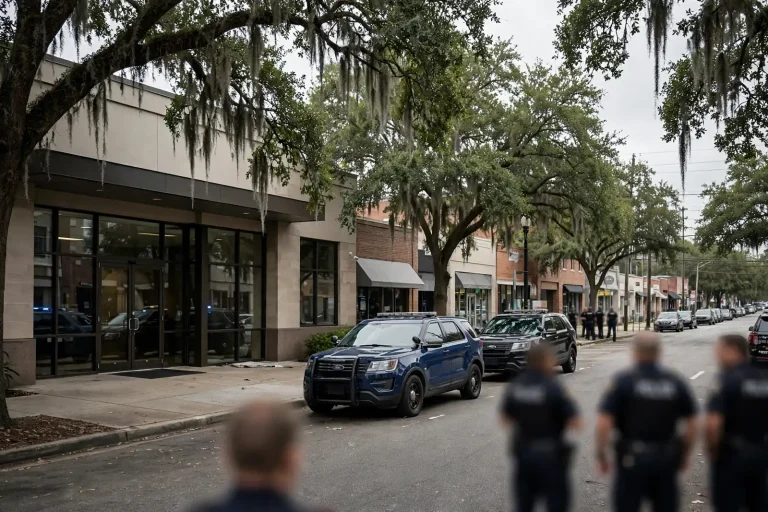
According to court documents, the investigation began in July 2024, when federal investigators met with officials from the Mobile County and Monroe County jails. Those officials were concerned about an influx of Paper Route entering their facilities.
The Mobile County Sheriff’s Office noticed that a significant amount of the mail containing Paper Route was coming from a single Pitney Bowes account. Pitney Bowes is a mailing and shipping software company whose services allow customers to pay for and print U.S. Postal Service labels and stamps.
Investigators traced that account to Moore. They determined she had generated more than 5,400 labels and/or stamps between 2022 and 2024, according to the records.
Authorities then began monitoring her account.
Methamphetamine hidden in a bag of dog treats
In February 2025, the Postal Service intercepted a parcel addressed to a residence in Montgomery. Inside was an open bag of Purina Beggin’ dog treats. Tucked inside the treat bag was a Ziploc bag holding a yellow paste, which tested positive for methamphetamine, according to the records.
Moore was indicted in 2025. She pleaded guilty in January 2026 and has now been sentenced.
The Drug Enforcement Administration, the FBI and the U.S. Postal Service investigated the case.
What the charges mean
Moore pleaded guilty to two types of federal offenses.
- Distribution of a controlled substance is the core federal drug-trafficking offense under the Controlled Substances Act. Penalties depend on the drug involved and the quantity.
- Unlawful use of a communication facility makes it a crime to use a “communication facility” — a term that covers the mail, telephones and other means of communication — to commit or help commit a federal drug felony. Each count carries a maximum of four years in prison for a first offense.
Using the U.S. mail to move drugs is what brought the Postal Service’s law enforcement arm into the case alongside the DEA and FBI.
In the federal system, there is no parole. Inmates can earn limited credit for good behavior, but they generally serve most of their sentence. Supervised release, which follows a federal prison term, requires a person to report to a probation officer and follow court-ordered conditions, and violations can lead to more time in prison.
Why it matters for South Alabama jails
The case is a reminder of how far contraband can travel before reaching a cell. Labels generated by an account in Georgia were linked to mail flowing into jails in Mobile and Monroe counties, and the scheme reached as far as the state’s main prison intake center in Montgomery County.
The Mobile County Sheriff’s Office’s role in spotting the pattern — a large volume of tainted mail tied to one shipping account — was a key step that allowed federal investigators to identify a suspect.
Contraband drugs inside correctional facilities endanger inmates and staff alike. Overdoses can occur suddenly, and corrections officers who handle contaminated mail or respond to medical emergencies may also be at risk of exposure. Those concerns are part of why many jails nationwide have moved toward scanning or copying incoming mail rather than delivering original envelopes and paper to inmates.