Government Plaza Rent Dispute Between Mobile and County Stretches Past One Year
More than a year after its lease expired, Mobile still has no new Government Plaza lease with the Mobile County Commission, though the county says a resolution is expected soon.
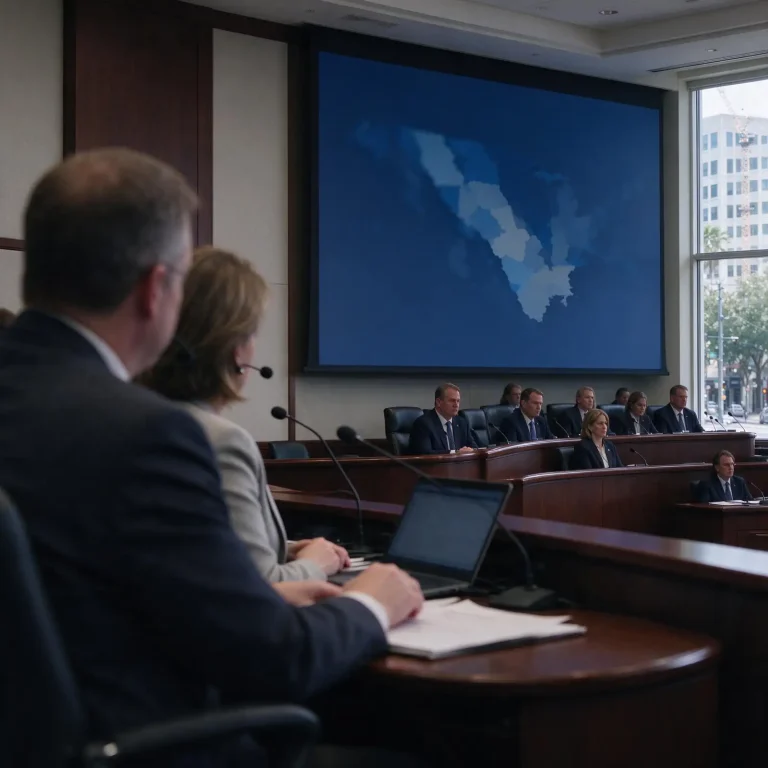
MOBILE, Ala. — More than a year after the City of Mobile’s lease at Government Plaza expired, the Government Plaza rent dispute between the city and the Mobile County Commission, which owns the downtown building, remains unresolved, although the county now says the two sides are having “productive discussions” and expect to settle the matter soon.
The disagreement centers on a proposed rent increase of nearly 90%. The city’s previous lease ran out on Oct. 1, 2025. Under that agreement, the city paid $125,000 a month for its space in the building. The county has sought $237,022.17 a month under a new lease, pointing to sharply higher costs to insure and operate the building.
“The County and City of Mobile are having productive discussions and expect to resolve the situation soon,” a county spokesperson said this week. The City of Mobile acknowledged a request for comment but had not provided one.
How the dispute began
The disagreement became public in December 2025, when Mobile County Commissioner Randall Dueitt called out the city for not paying rent at Government Plaza. Dueitt said then that the county had gone unpaid for months while the two governments argued over the increase. The city’s last payment, he said, had covered September 2025, and the October and November payments had not been made.
The city’s position was that its lease had expired and that it wanted to negotiate the size of the increase rather than simply accept it.
After Dueitt raised the issue publicly, Mayor Spiro Cheriogotis said he had directed the city’s finance department to pay the missed October and November rent at the old rate, a total of $250,000, and to keep paying $125,000 a month while negotiations continued. The mayor later said the city was paying the old rate, but no new lease had been signed.
In April, Cheriogotis said rent talks had paused. Six months later, there is still no new agreement.
The numbers behind the county’s request
The county has justified the increase largely by pointing to the cost of insuring Government Plaza, a large building in a hurricane-prone coastal city. According to the county, insurance costs for the building and its contents climbed 437%, from $488,000 in 2019 to $2.6 million in 2024.
The county has also said it effectively subsidized the city’s rent by more than $5 million during the previous five-year lease, meaning the rent the city paid did not cover its share of the building’s costs.
The County Commission later voted to switch insurance providers, a move expected to save the county about $1.5 million a year. Whether those savings will affect the rent the county seeks from the city has not been publicly addressed.
Here is how the key figures compare:
- Previous rent: $125,000 a month, or $1.5 million a year.
- Rent sought by the county: $237,022.17 a month, or about $2.84 million a year.
- Building insurance costs: $488,000 in 2019; $2.6 million in 2024.
- Expected savings from the county’s insurance change: about $1.5 million a year.
- Subsidy the county says it provided under the last lease: more than $5 million over five years.
Could city offices move out?
The city has raised moving some offices out of Government Plaza as a real possibility during the dispute. Cheriogotis has said, however, that any space the city gives up would likely be “primarily” at the county’s request.
The mayor has said it makes sense to keep the city’s municipal courtrooms in the building alongside the state courts that also operate there. District 4 Councilman Ben Reynolds has suggested that services residents use most often, such as permitting, business licenses and tax offices, could be moved farther west in the city to make them easier for residents to reach.
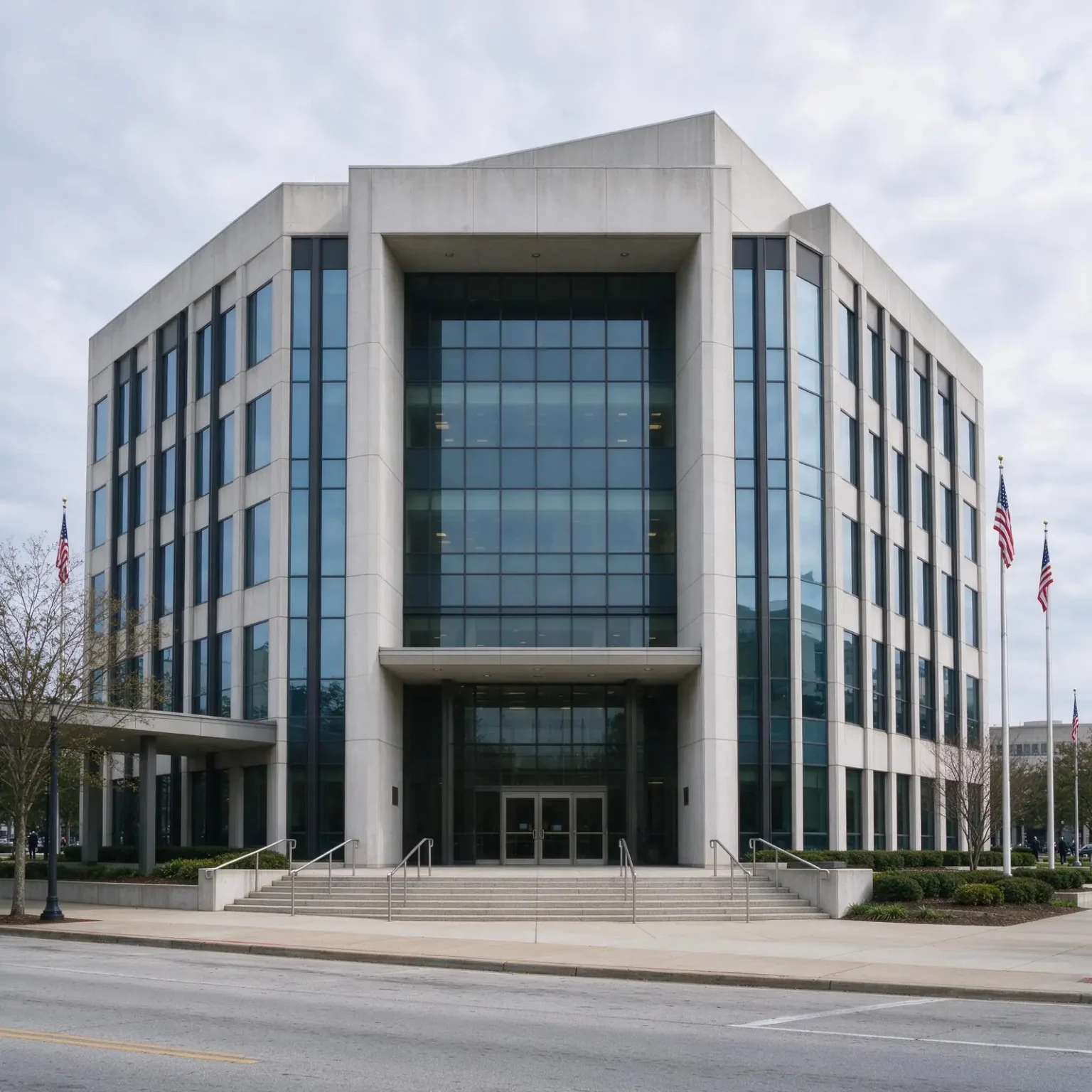
Government Plaza, at 205 Government St., opened in the mid-1990s as a shared home for city and county government. It houses the Mobile City Council and County Commission chambers, the mayor’s office, county offices and courtrooms. The shared arrangement means decisions about who occupies which space affect residents who visit the building to pay fees, attend court or watch public meetings.
Part of a broader city-county relationship
The rent dispute is one of several issues the city and county are working through. Earlier this month, Dueitt told the City Council that the county had not been treated as a full partner on Cheriogotis’ proposals to create large new tax increment financing districts, which would redirect future growth in property tax revenue, including county revenue, to projects inside the districts. The council delayed action on those proposals to give the governments more time to talk.
The two governments also share responsibility for many services that residents rely on, and both are funded in part by taxpayers who live in the city and the county. How the rent dispute is settled will affect both budgets: a higher rent would add to the city’s costs, while the county has argued that the old rate left it covering a share of the city’s expenses.
What happens next
The county’s statement suggests a deal could be close, but neither side has released terms. Any new lease would likely need approval from both the City Council and the County Commission, whose meetings are open to the public and held at Government Plaza. Residents can follow the issue through the agendas posted by each body and can address the council or commission during public comment periods.