

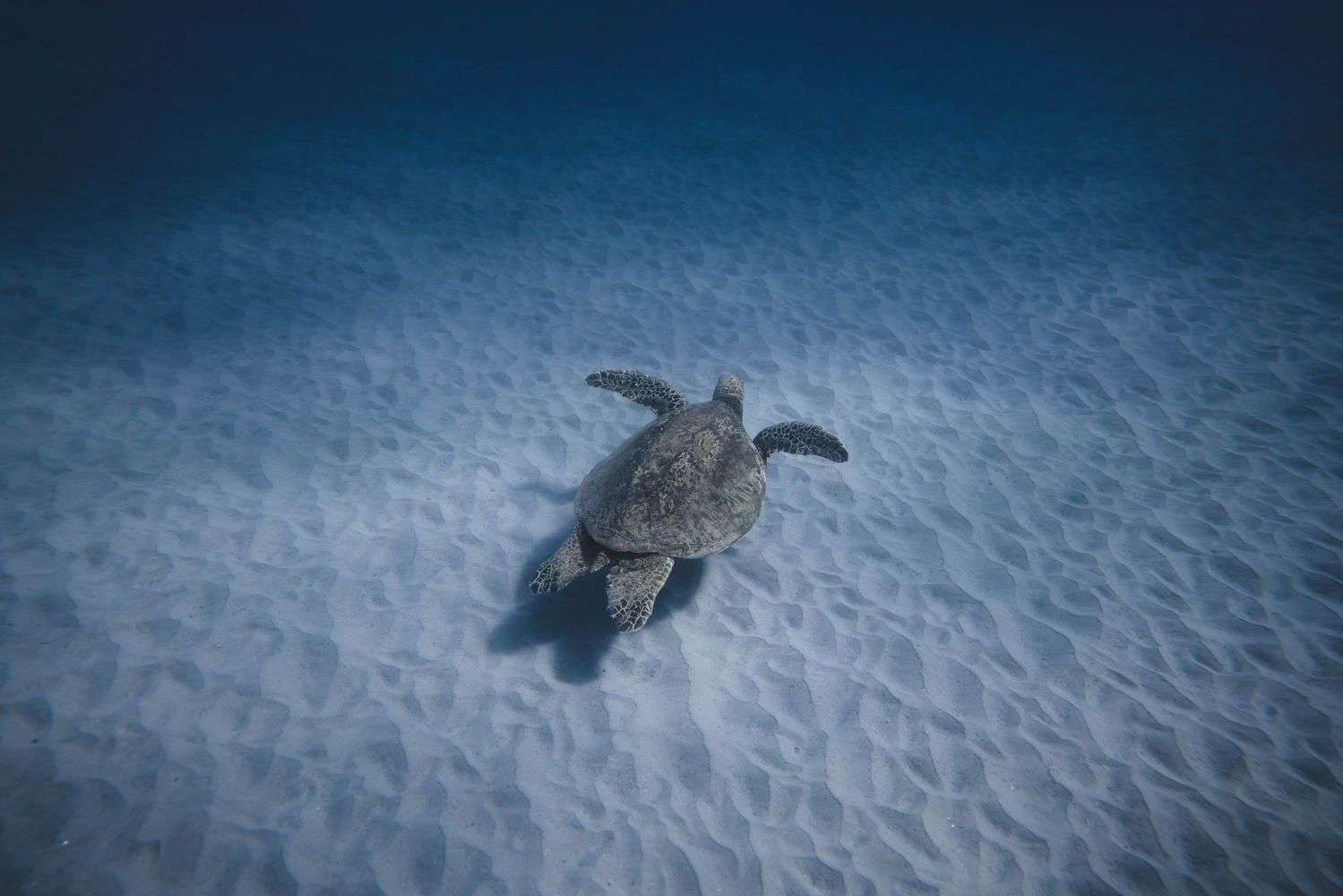
Residents and visitors will have a chance to learn more about the wildlife that calls Alabama’s Gulf Coast home during a community event dedicated to celebrating the region’s marine life later this month.
The Alabama Coastal Foundation and Healthy Gulf will host “Celebrating Alabama’s Marine Life” from 6 to 7:30 p.m. Thursday, Aug. 27, in the Palmetto Room at the Gulf Coast Eco Center, 1650 Eco Trail, in Gulf Shores. The free event is designed to highlight the diversity of marine life found along Alabama’s coastline and to give the public practical information on how to help protect the animals that share the state’s beaches and waterways.
Attendees can expect short films, educational displays and presentations from local advocates who work on behalf of sea turtles, whales, manatees and other marine species found in Alabama’s coastal waters. The format is built for accessibility — an evening program short enough for families and working residents to attend, with visual storytelling in place of dense lectures.
The Speaker Lineup
Several featured presenters are scheduled to speak, including Mark Berte, executive director of the Alabama Coastal Foundation, and Dr. Ruth Carmichael, founder and director of the Marine Mammal Research Program at Dauphin Island Sea Lab. Bethany Salvon and Randy Kalp, a team of travel photographers and journalists who advocate for endangered species under the Instagram handle beersandbeans, round out the lineup of speakers.
The pairing of institutional science and public-facing advocacy is deliberate. The Alabama Coastal Foundation has spent decades organizing volunteer stewardship programs along the coast, connecting residents to the health of Mobile Bay and the Gulf through hands-on involvement. The Dauphin Island Sea Lab, the state’s marine science education and research center at the mouth of Mobile Bay, anchors much of the scientific work on marine mammals in Alabama waters, and Carmichael’s program has documented the presence of whales, dolphins and manatees in state waters that many residents never realize are there.
Bringing photographers with a national social media audience into the same room as researchers gives the event reach in both directions: local residents get polished, visually compelling storytelling, while the conservation messages developed on the Alabama coast travel outward to audiences far beyond the Gulf.
Nesting Season Update
Organizers also plan to provide an update on this year’s sea turtle nesting activity along Alabama beaches, a closely watched indicator of coastal ecosystem health each summer. Snacks and beverages will be provided.
Sea turtle nesting season runs along the Alabama Gulf Coast from late spring through the summer months, when female turtles come ashore at night to lay clutches of eggs in the sand above the tide line. Each nest is staked and monitored by volunteers, and the season’s hatchling counts are tallied as a measure of how well the coastline is supporting a species that has faced decades of pressure from development, lighting, fishing gear and storms.
The beaches of Gulf Shores and Orange Beach host the bulk of the state’s nesting activity, and the volunteers who patrol them play an outsize role: they relocate threatened nests when necessary, keep lighting rules enforced during hatch season and clear the way for hatchlings to reach the water. For many coastal residents, the annual arrival of nest markers in the sand is as reliable a sign of summer as the first weekend crowd on the beach.
The event comes during peak sea turtle nesting season along the Alabama coast, a period when conservation groups ramp up public education efforts to reduce beachgoers’ impact on nesting sites.
Timing matters for this kind of outreach. Visitors and new residents arriving for late-summer vacations may not know the rules that protect nests — leave holes filled on the beach, knock down sandcastles at the end of the day, keep lights off or shielded at night near the water, and give marked nests a wide berth. A single evening of practical instruction in Gulf Shores can translate into better behavior on the sand for the rest of the season, and every season after that.
Why Organizers Say It Matters Locally
Beyond the ecological education, organizers frame the evening around how directly these natural resources feed the regional economy and identity. Coastal Alabama’s tourism industry is built on the promise of clean beaches and healthy Gulf waters, and the wildlife that draws visitors — from sea turtles crawling ashore to dolphins riding the wake behind the ferry — is part of the product the coast sells.
The connection runs deeper than scenery. The same estuaries, seagrass beds and nearshore waters that support manatees and turtles also support the fish populations, oyster reefs and crab harvests that commercial and recreational fishermen depend on. Events like this one make that linkage explicit: protecting marine life is not a luxury concern set apart from the working coast, but the same stewardship that keeps the working coast productive.
Healthy Gulf, formerly known as the Gulf Restoration Network, has spent years advocating across the five Gulf states on water quality, fisheries and coastal habitat issues, while the Alabama Coastal Foundation operates statewide programs that recruit residents into hands-on conservation. Their partnership in Gulf Shores reflects a shared belief that the most durable protections are the ones local residents choose themselves.
How to Attend or Get Involved
Those interested in attending or learning more can contact Christian Wagley with Healthy Gulf at [email protected]. The event is free and open to the public, with no registration barrier beyond the contact information organizers have provided.
For residents who cannot attend but want to help, the season offers no shortage of options. Volunteers can join nest monitoring and hatch watch efforts through local share-the-beach programs, participate in coastal cleanup events that remove the debris that entangles and kills marine animals, and adopt the simple beach habits — filling holes, removing gear at day’s end, shielding lights — that make a direct difference to nesting turtles and their hatchlings.
The Aug. 27 gathering at the Gulf Coast Eco Center is the kind of event that rewards showing up. Attendees leave knowing which whales and manatees pass through Alabama waters, what this year’s turtle nests look like on the state’s beaches, and exactly what one household can do to keep the Gulf’s most vulnerable visitors coming back.
The Gulf Coast Eco Center as a Gathering Place
The venue itself carries meaning for the event. The Gulf Coast Eco Center in Gulf Shores sits along Eco Trail in a part of the city set aside for learning about the coastal environment, and its Palmetto Room has hosted a steady calendar of programs that bring researchers, advocates and residents into the same conversation. Siting a marine life celebration there reinforces the message that conservation education belongs in the heart of the beach community, not on its margins.
The eco center’s location in Gulf Shores also puts the event where its subject matter lives. Within a short drive of the Palmetto Room are the same beaches where turtle nests are staked, the same Gulf waters where marine mammals surface, and the same wetlands that filter the runoff heading toward Mobile Bay and the open Gulf. Attendees can walk out of the presentation and see the ecosystem they just learned about within minutes.
The Species Behind the Event
Alabama’s coastal waters are more biodiverse than most residents realize. Bottlenose dolphins are a common sight in the bays and along the beaches, and the state’s waters fall within the range of manatees that migrate west from Florida during warm months, occasionally spotted in Mobile Bay and its rivers. Whales, including several endangered species, transit the deeper Gulf waters offshore, and their presence in the northern Gulf has drawn increasing scientific attention.
Sea turtles remain the marquee species for coastal Alabama’s conservation community. The loggerhead is the most common nester on the state’s beaches, with green and Kemp’s ridley turtles also recorded. Every species that nests along the Gulf Coast is protected under the Endangered Species Act, and the recovery of nesting populations is one of the region’s longest-running conservation stories — one measured nest by nest, summer by summer, in the sand of Gulf Shores and Fort Morgan.
That work depends on the public. Disoriented hatchlings, crushed nests and abandoned fishing line are all preventable harms, and prevention is cheaper and more effective than any rescue effort after the fact. The evening’s presentations are aimed squarely at the small, learnable behaviors that add up across thousands of beach visitors.
An Evening Built for Families
Organizers have kept the program to ninety minutes with snacks and beverages provided, a format designed to welcome families with children alongside longtime coastal residents. Short films and displays give younger attendees something to engage with while the speakers deliver the substance, and the informal setting encourages the questions that formal lecture halls rarely do.
Events like this also serve as a front door for the organizations themselves. Residents who attend out of curiosity often leave on volunteer lists, mailing lists and membership rolls, sustaining the monitoring and advocacy work that continues long after the summer season ends. On a coast where the pressures of development and visitation keep rising, that pipeline of engaged residents is arguably the most important thing an evening in the Palmetto Room can produce.