

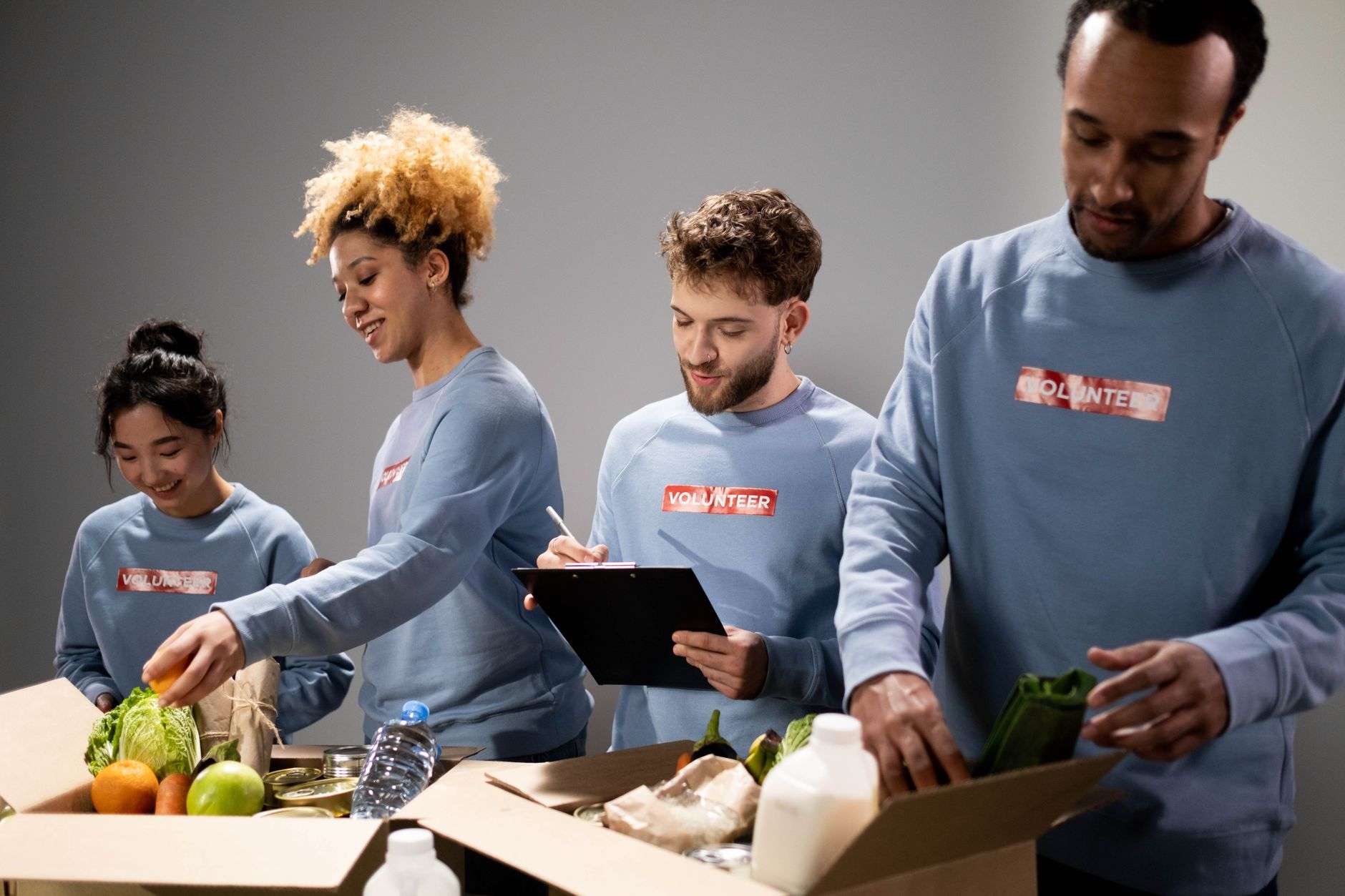
Gulf Shores nonprofit organizations have a new chance to apply for city funding, with the municipal government opening the Fall Cycle of its 2026 Nonprofit Grants Program. The program is designed to support groups that provide direct services and programs to residents of the coastal Baldwin County city, and the application window runs through August 28. For organizations operating on thin budgets — the normal condition of most nonprofits — the cycle is a recurring chance to secure municipal support for work they are already doing in the community.
City Administrator Jon Walker said the program reflects Gulf Shores’ broader effort to invest in organizations that fill gaps city government cannot cover on its own. “The Nonprofit Grants Program reflects our dedication to supporting organizations that make a real difference in the lives of Gulf Shores residents,” Walker said. “We want to ensure these groups have the resources they need to continue their important work.”
Walker’s framing captures the rationale most cities give for nonprofit grant programs. A municipal government delivers services directly — police, fire, public works, parks — but a community’s needs extend beyond what a city department can or should provide. Food assistance, youth mentoring, senior outreach and volunteer-driven beautification all happen through nonprofits, and a modest city grant can be the difference between an organization thriving, scraping by or folding.
How the program works
The grants program runs on two annual cycles, one in the spring and one in the fall, giving nonprofits multiple opportunities each year to seek city support. Eligible organizations can receive up to $2,000 per cycle, with a cap of $4,000 total per calendar year if a group applies successfully in both rounds. The two-cycle structure serves two purposes: it spreads the city’s available funding across more of the calendar year, and it gives organizations whose projects arise mid-year — a fall festival, a winter coat drive — a realistic second window rather than waiting twelve months for the next opportunity.
Notably, a nonprofit does not need to be headquartered inside Gulf Shores city limits to qualify — the key requirement is that the organization’s work must directly benefit Gulf Shores residents. That eligibility rule matters in Baldwin County’s geography, where regional nonprofits based in Foley, Robertsdale or Pensacola regularly serve Gulf Shores residents without maintaining a physical office in the city. The rule ties the money to the population served rather than to an address, which widens the field of eligible applicants considerably for a city of Gulf Shores’ size.
What the money can and cannot do
City guidelines put some limits on how grant dollars can be used. Funds may go toward specific projects, community events or essential resources and equipment, but they cannot be used to cover salaries, pay down debt, fund general operational costs, or support political lobbying activities. That structure is meant to keep the money tied to tangible, resident-facing work rather than a nonprofit’s overhead.
The restrictions reflect a philosophy that runs through most municipal grant programs: the city will help a nonprofit do a project, but it will not absorb the organization’s ongoing costs. Salaries and operations are the hardest funding for small nonprofits to raise, so the exclusion stings for some applicants — but from the city’s side, the rule guarantees that every grant dollar converts into something residents can see: equipment, an event, a program, supplies.
Every application submitted during the Fall Cycle will go before the city’s Grant Review Committee, which evaluates each proposal on its merits. According to the city, priority goes to organizations that can demonstrate meaningful local impact and show they intend to use the money efficiently. That review process gives city officials some assurance that public funds are going toward programs residents will actually notice and benefit from.
Why coastal cities lean on nonprofits
Programs like this one are common in fast-growing coastal communities, where local governments increasingly lean on nonprofit partners to deliver services ranging from youth programming and senior support to environmental stewardship and disaster relief. The pattern is especially pronounced along the Alabama Gulf Coast, where the seasonal population swing — the difference between a quiet winter month and a packed summer one — strains service capacity in ways a fixed municipal budget struggles to match.
For a city like Gulf Shores, which continues to see population and tourism growth strain its own municipal resources, a modest grants program can be an efficient way to extend the reach of city services without expanding government payroll. Every grant dollar that supports a volunteer-run program buys outcomes a city department could only deliver with staff positions, facilities and overhead. The $2,000-per-cycle scale is deliberately small — sized to seed projects and fill gaps rather than fund organizations wholesale — which keeps the program’s total cost manageable while touching a wide range of community work.
The disaster-relief dimension deserves particular mention in a coastal city. Gulf Shores sits directly in the path of Gulf hurricanes, and the nonprofit sector — food banks, faith-based relief groups, volunteer organizations — becomes part of the city’s de facto response infrastructure whenever a storm approaches. Organizations that are healthy and funded before a disaster are the ones that can respond during one, which gives the city a practical stake in their year-round financial stability beyond the programs the grants directly support.
Applying before the deadline
Nonprofit leaders interested in applying for the Fall Cycle can find eligibility requirements and application materials on the City of Gulf Shores’ official website. Organizations that already received spring funding should note the $4,000 annual cap when deciding whether and how much to request this cycle.
The August 28 deadline gives applicants roughly a month from the cycle’s opening, and review committees generally reward applications that are specific about what the money will buy. A proposal that identifies a defined project, a resident population served and a clear use for the grant aligns exactly with the criteria the city has published — meaningful local impact and efficient use of funds. Vague requests for general support, by contrast, run headlong into the program’s exclusion of operational costs.
For organizations that missed the spring cycle or are new to the program, the fall window is the year’s remaining opportunity. Applications go before the Grant Review Committee once the window closes, and awards follow the committee’s evaluation. Nonprofits serving Gulf Shores residents — whether based in the city or across Baldwin County — have until August 28 to make their case for a share of the Fall Cycle funding.
What kinds of organizations typically benefit
The eligibility rules and award sizes shape who realistically competes for the program. At $2,000 per cycle, the grants fit the scale of small community organizations: youth sports leagues needing equipment, food pantries restocking shelves, volunteer groups staging a community event, animal welfare organizations covering veterinary costs, and arts or heritage groups funding a single program or performance. Larger nonprofits with professional staffs generally use city grants like this as supplementary funding for specific projects, since the amounts cannot sustain organizational budgets.
The equipment and resources category is often the most practical for applicants. A commercial-grade refrigerator for a food pantry, tables and chairs for a community center, safety gear for a youth program, or tools for a volunteer beautification effort all fall within what the guidelines allow, and each delivers years of service for a one-time grant. Projects with that kind of durability tend to fare well in committee reviews because the city’s investment keeps producing benefit long after the check clears.
The context: growth and its pressures
Gulf Shores’ growth story frames the whole program. The city has transformed over recent decades from a small beach town into a major resort destination with a growing permanent population, and that growth carries costs that show up unevenly across the community. Tourism revenue funds much of the city’s budget through lodging and sales taxes, but permanent residents need services year-round — youth programs, senior services, community support networks — that the tourism economy does not inherently provide. Nonprofits fill much of that space, which is why the city’s investment in them reads less like charity and more like infrastructure.
The fall cycle closes August 28. For the organizations that apply and the residents they serve, the program’s value shows up in the details it funds: a program that runs another season, an event that draws a neighborhood together, a piece of equipment that lets volunteers do more with the hours they give. Those are small outcomes measured one grant at a time, but they are exactly what the city designed the program to buy — and, in a growing coastal city where community needs keep pace with growth, a small investment aimed at the right organizations still goes a long way.