

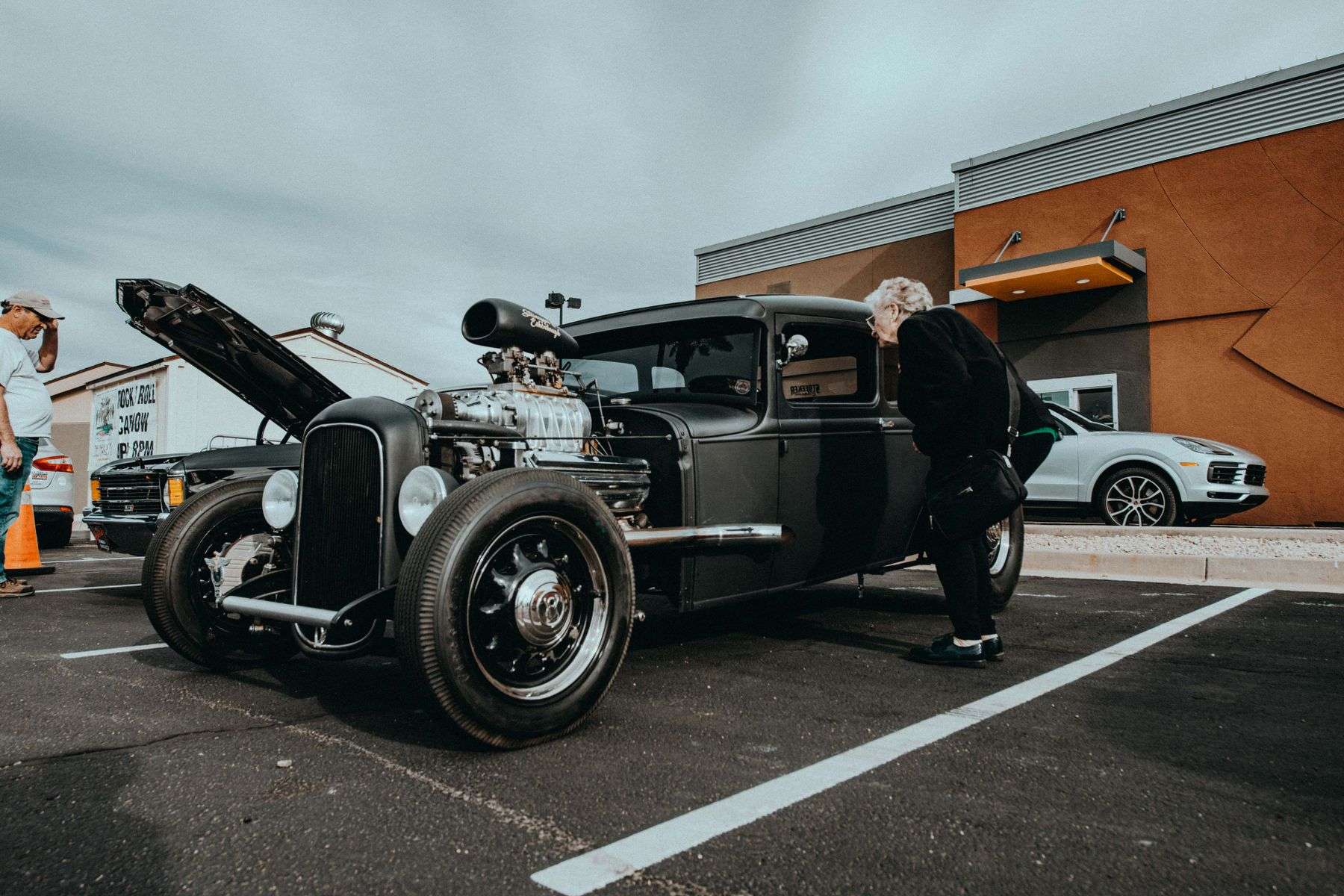
Mobile is preparing to close out one of the automotive world’s best-known road trips this month, as the 2010 Hot Rod Power Tour makes its way south for a two-day stop that will bring hundreds of vintage cars, hot rods and muscle cars to downtown streets and to Battleship Memorial Park.
The tour, which began June 5 in Newton, Iowa, is scheduled to wrap up its cross-country run with back-to-back host days in Mobile: Friday, June 11, downtown, followed by Saturday, June 12, at the USS Alabama Battleship Memorial Park. The stop places Mobile among a short list of cities chosen each year to anchor a route that can stretch well over a thousand miles and pass through several states over the course of a week.
Mobile and the surrounding Gulf Coast region have a long-running relationship with car culture, from local cruise-ins and weekend car shows to the classic and antique vehicle clubs that gather regularly across Mobile and Baldwin counties. A national tour stop offers a rare chance for area hobbyists to see out-of-state builds and regional styles they would not typically encounter locally, while also giving visiting owners exposure to a coastal city many may be passing through for the first time.
What Is the Hot Rod Power Tour?
The Power Tour has built a reputation over more than a decade and a half as one of the largest traveling car cruises in the country. Organized under the Hot Rod brand, the event invites owners of hot rods, muscle cars, restomods and other custom and classic vehicles to drive a set multi-day route together, with each day ending at a different host city. Along the way, participants stop for organized activities, vendor displays and informal cruising before setting off again the next morning toward the next destination.
Unlike a stationary car show, the tour’s defining feature is the drive itself. Owners spend hours each day behind the wheel of vehicles that, in many cases, were built or restored specifically for long-distance cruising, and the route changes from year to year so that different regions of the country get a turn hosting a leg of the tour. The event has become a fixture on the calendar for car enthusiasts who plan their vacations around it, often trailering additional vehicles or driving support trucks alongside their show cars.
Host cities compete for a place on the route because of the economic and civic benefits an event of this scale can bring. A multi-day stop typically fills area hotels, restaurants and fuel stations with visitors from well outside the local market, and it gives a host community a chance to showcase its downtown or a signature attraction to a national audience of car enthusiasts and hobbyists.
Two Different Mobile Venues, Two Different Days
For its stop in Mobile, the tour split its schedule between two distinct settings. The Friday, June 11 leg is set for downtown Mobile, putting the tour’s vehicles on display along city streets in the historic heart of the port city. Downtown Mobile, with its mix of 19th-century architecture, public squares and riverfront proximity, has long served as a gathering point for the city’s festivals and public events, making it a natural fit for an evening of car cruising and street-side viewing.
The following day, Saturday, June 12, the tour is scheduled to relocate to the USS Alabama Battleship Memorial Park, on the Mobile River across from downtown. The 175-acre park is home to the battleship USS Alabama, a decorated World War II veteran of the Pacific theater that was brought to Mobile and opened as a museum ship in the mid-1960s after being donated by the U.S. Navy to the state of Alabama. Alongside the battleship, the park also displays the submarine USS Drum and a collection of military aircraft, making it one of the region’s most recognizable tourist attractions and a frequent host site for large public gatherings, from air shows to concerts.
Pairing a downtown street cruise with a stop at a landmark like Battleship Memorial Park is a common approach for tour organizers, who typically look for host sites that offer enough open space for hundreds of vehicles to park and be viewed safely, along with amenities such as restrooms, food vendors and shade. A large, paved waterfront site like the battleship park is well suited to accommodating a high volume of vehicles and foot traffic over the course of a single day.
How to Take Part
Participation in the tour has traditionally been split into two tiers of entry for vehicle owners. Those interested in joining for a single day, such as one of Mobile’s two host days, could register for that leg for $25, while owners looking to drive the entire multi-day, multi-state route were able to register for $80 covering the full itinerary. That structure allows local owners to sample the event without committing to the full week on the road, while dedicated participants from farther away can join at the start and follow the route to its conclusion.
Spectators, by contrast, have generally been welcome to attend host-city stops free of charge. That no-cost model is typical of large car cruise events, which rely on vehicle registration fees, sponsorships and vendor booth revenue rather than admission charges to cover costs, since a major draw of the event for organizers and sponsors alike is maximizing public attendance and exposure.
At each stop, visitors are typically able to walk the rows of parked vehicles, talk with owners about their builds, and browse booths set up by automotive parts manufacturers, tool companies and other sponsors looking to reach a concentrated audience of car buyers and hobbyists. Host sites on the tour have also regularly scheduled evening entertainment to keep the atmosphere going after the vehicles are parked for the night, including live music, giveaways and organized short drives sometimes referred to as fun runs.
Why Car Cruises Draw a Crowd
Large-scale car tours and cruises have grown into a significant niche within the broader hobbyist and enthusiast economy over the past several decades. Unlike traditional car shows, where vehicles are parked and judged in a fixed location, road tour events emphasize the shared experience of driving distinctive vehicles across long distances, often through small towns and cities that welcome the rare spectacle of a mass convoy of classic and custom cars passing through.
For host communities, the appeal goes beyond a single day of foot traffic. Events of this scale can generate meaningful visibility for a city’s downtown or a signature attraction, particularly when out-of-town visitors share photos and accounts of their stop as part of a broader multi-city itinerary. Cities along a given year’s route are often chosen in part for their ability to offer both practical logistics, such as parking capacity, lodging and highway access, and a memorable backdrop that will stand out among that year’s other stops.
Mobile’s downtown waterfront district and Battleship Memorial Park both fit that description well, offering visiting car owners a walkable historic core one day and a dramatic, open-air military history site the next. The pairing gives the tour’s Mobile stop a distinct identity compared with other legs of the route, which might be held at fairgrounds, speedways or shopping center parking lots depending on what each host city has to offer.
What Visitors Can Typically Expect
At large outdoor gatherings of this kind, event organizers and host venues generally coordinate on basic logistics well in advance, including designated parking areas for both show vehicles and spectators, clearly marked walking lanes among the display vehicles, and staffing to help manage traffic flow in and out of the site. Attendees planning to visit an event held at a site like Battleship Memorial Park should typically expect to walk significant distances across an open, paved area, and organizers of outdoor summer events in the Gulf Coast region routinely encourage visitors to plan for heat, bring water and wear sun protection, given the area’s typically high temperatures and humidity in early June.
Because the tour draws participants from across the country, the vehicles on display at any given stop can vary widely, from meticulously restored pre-war classics to modern custom builds with contemporary drivetrains. That variety is part of the draw for spectators, who get a chance to see a far broader cross-section of automotive history and craftsmanship in one place than a typical local car show would offer.
A Fitting Stop for a Gulf Coast City
Mobile’s selection as a host city places it alongside other cities nationally recognized for hosting major automotive events, reflecting the city’s ongoing efforts to draw large-scale tourism and hospitality business to its downtown core and waterfront attractions. The Port City has periodically served as a stop or destination for regional and national gatherings tied to its maritime and military history, and Battleship Memorial Park in particular has hosted a range of public events over the years thanks to its combination of open space, historical significance and riverfront setting.
As the Hot Rod Power Tour wraps its 2010 route with these two days in Mobile, area residents will have a rare, no-cost opportunity to see a large slice of American automotive history roll through their own downtown and past one of the state’s most storied military landmarks, without needing to travel to a specialty car show or museum to do so.