

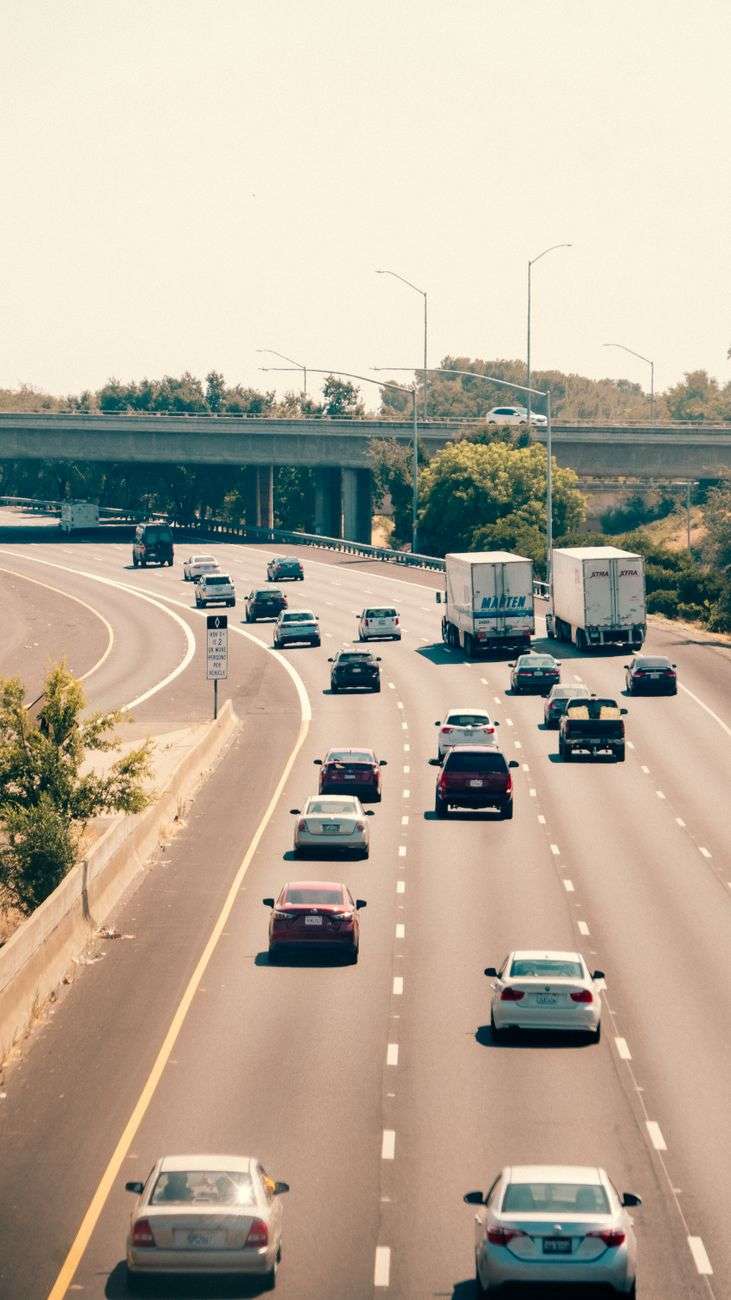
A two-vehicle collision brought traffic on Interstate 10 in Baldwin County to a standstill Friday evening, prompting state troopers to close every lane of the interstate near Loxley while emergency crews responded to the scene. The full closure of one of the region’s most important highway corridors turned the evening commute into a miles-long backup and sent drivers hunting for detours as the response stretched into the night.
The Alabama Law Enforcement Agency (ALEA) says the crash happened around 6:05 p.m. on July 31 near mile marker 46, a stretch of I-10 east of Loxley that carries heavy weekend traffic between Mobile and the Baldwin County beaches. ALEA’s Highway Patrol Division, which investigates serious crashes on Alabama’s interstates and state highways, is leading the investigation. The timing, at the height of Friday evening travel, meant the closure struck at one of the busiest hours of one of the busiest weeks of the summer season.
Troopers shut down both eastbound and westbound lanes of I-10 immediately after the crash to allow first responders room to work and to keep the scene secure while the investigation got underway. Footage from the scene showed a medical helicopter and two ambulances positioned near the wreckage, an indication of the scale of the emergency response even though officials have not confirmed how many people, if any, were hurt. A helicopter landing near a crash scene is reserved for patients whose condition warrants rapid air transport to a trauma center, but the presence of aircraft and multiple ambulances does not by itself establish the number or severity of injuries.
The Alabama Department of Transportation (ALDOT), which manages traffic flow and roadway conditions across the state’s highway system, was also monitoring the closure as crews worked to clear the interstate. ALDOT’s traffic management operations track conditions along I-10 through the Mobile Bay area, feeding information to digital message signs and traffic apps that motorists rely on when a corridor goes dark. During a full interstate closure, that coordination matters as much as the cleanup itself, because thousands of drivers need to be routed around the scene before the backup becomes unmanageable.
Lanes reopen, but questions remain
More than an hour after the crash, authorities reopened at least one eastbound lane along with all westbound lanes, easing some of the backup that had built up on one of the region’s busiest corridors. A full accounting of the closure’s duration and its effect on evening traffic had not been released as of Friday night. Partial reopenings at major crash scenes typically come in stages, with investigators holding the lanes they need until evidence collection and vehicle removal are complete.
As of the initial report, ALEA had not disclosed what caused the two vehicles to collide, nor had it confirmed whether anyone was injured or transported for treatment. The agency said its Highway Patrol Division continues to investigate, and additional details are expected to be released as the inquiry proceeds. Crash investigations on Alabama interstates generally examine roadway evidence, vehicle damage and witness statements before any cause is announced, a process that can take days when the initial response involves a full lane closure.
Why it matters for Baldwin County drivers
Interstate 10 is the primary east-west artery linking Mobile to Baldwin County’s beach communities, including Loxley, Robertsdale, Foley, Gulf Shores and Orange Beach. Crashes that shut down the interstate, even briefly, tend to ripple across secondary routes such as U.S. 90 and Highway 59 as drivers seek detours, particularly during the busy summer travel season. Friday’s incident is a reminder for area motorists to check traffic conditions before heading out during peak evening hours and to give emergency vehicles a wide berth when responding to a scene.
The stretch of I-10 near mile marker 46 sits in the heart of that cross-county traffic flow. Eastbound lanes on a Friday evening carry beachbound travelers and Baldwin County residents heading home from Mobile, while westbound lanes feed commuters and visitors back toward the city. When both directions close at once, the detour network is limited: U.S. 90 parallels the interstate to the south, and Highway 59 runs south from I-10 toward the beach cities, so closures of any length concentrate thousands of vehicles onto two-lane roads that were never designed to absorb an interstate’s volume.
Local officials have studied that vulnerability for years. The I-10 corridor across Baldwin County has been the subject of long-running planning discussions about widening and new crossings, driven by the county’s rapid population growth and the summer surge of beach traffic. Until larger projects change the map, a single crash near Loxley can still paralyze travel between Alabama’s largest city and its most popular beaches, which is why full closures draw attention from drivers, businesses and emergency planners across two counties.
Emergency agencies along the corridor drill for exactly this scenario. Baldwin County’s fire departments and EMS providers operate under mutual aid agreements that let them surge personnel and equipment to a single scene, and the Loxley area’s proximity to both the interstate and the hospital networks in Mobile and Pensacola shapes how responders stage patients. When a helicopter lands on the interstate, deputies and troopers coordinate the ground side while flight crews handle transport decisions, a division of labor that works only because the road is fully closed. Friday’s response showed those arrangements in action, even as officials declined to release details about who was hurt or how badly.
How the response unfolded
The sequence of a serious interstate crash follows a familiar script in Baldwin County. First responders from fire departments and ambulance services in the Loxley area arrive first, assess victims and begin triage while troopers secure the scene. If injuries appear serious enough, a medical helicopter is requested to the nearest suitable landing zone, often the roadway itself once lanes are shut down. The decision to close all lanes, in both directions, usually comes at that point, both to give the aircraft a clear approach and to protect the firefighters and paramedics working between wrecked vehicles as traffic passes.
Cleanup and investigation take longer than the medical response. Troopers photograph and measure the scene, document skid marks and final vehicle positions, and coordinate with recovery companies to remove damaged vehicles, all before traffic can be released. An hour-long total closure with a staged reopening, as happened Friday, is a comparatively fast resolution for a crash that brought out a helicopter, and it suggests responders were able to move victims and clear at least part of the scene efficiently despite the scale of the equipment on hand.
The staged reopening also reflects the practical math of interstate incidents. Reopening all westbound lanes and one eastbound lane first released the heaviest queues while keeping a work zone available to investigators, a balance troopers try to strike on every serious crash. For the drivers still held behind the scene, the wait between the 6:05 p.m. crash and the first reopening stretched past an hour, long enough for the backup to spill onto approach roads and for word of the closure to spread across social media.
What drivers should take from it
For Baldwin County drivers, the Friday evening shutdown reinforces a few enduring rules of the I-10 corridor. Check traffic conditions before starting a weekend trip, because a single incident can erase the margin in a travel schedule. Expect the secondary routes to jam quickly when the interstate closes, and treat U.S. 90 and Highway 59 as shared resources rather than private shortcuts. And when flashing lights appear, Alabama’s move-over requirements mean changing lanes or slowing down to protect the troopers, firefighters and tow operators who work inches from passing traffic.
Summer Fridays are the corridor’s stress test. The stretch between the Mobile Bay crossing and the beach communities carries commuters, tourists, freight and locals all at once, and its crash history during peak travel periods is the reason law enforcement agencies repeatedly urge patience and attention behind the wheel. Friday’s two-vehicle wreck fit that pattern: an ordinary collision by the numbers, elevated by the hour it happened and the road it happened on.
Evening crash closures compound quickly on the corridor because demand peaks just as visibility fades. Drivers heading to dinner reservations in Foley, second-shift workers crossing the bay and early arrivals for weekend rentals all crowd the same pavement between five and seven, so an incident at 6:05 p.m. lands at the worst possible moment on the calendar. The lesson locals have absorbed is simple: on summer Fridays, the interstate offers no slack, and every trip carries the risk of an unplanned hour on the shoulder.
South Alabama News will update this story as ALEA releases further information about the cause of the crash and the condition of those involved. Motorists traveling the Loxley stretch of I-10 in the coming days should watch for any follow-up lane restrictions as the investigation concludes, and residents planning weekend trips through the corridor are advised to build in extra time until the full picture of Friday’s closure and its aftermath becomes clear.