

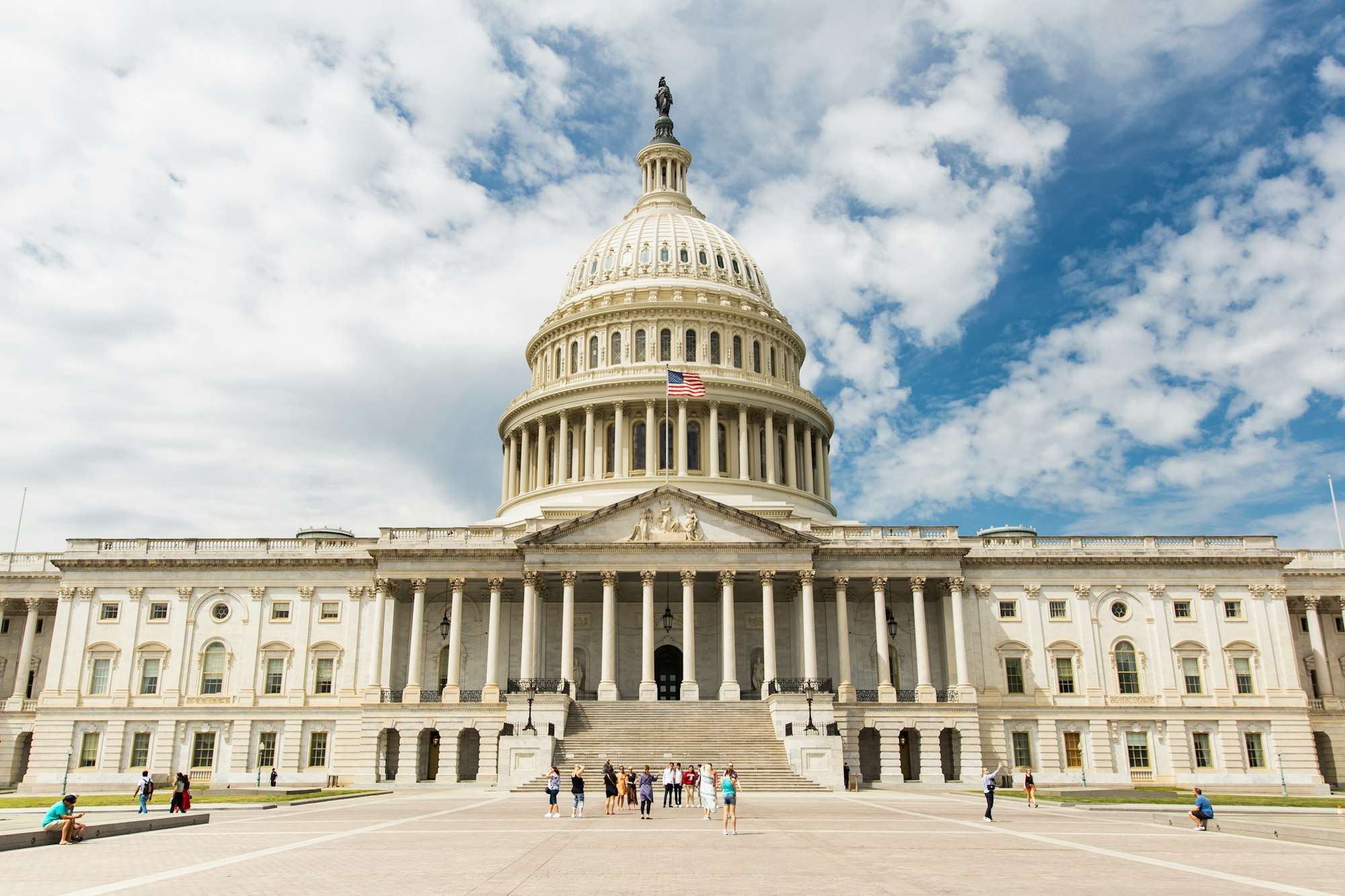
The city of Mobile, founded in 1702, sits at the head of Mobile Bay on the Gulf Coast and serves as the regional hub for much of southwest Alabama.
U.S. Rep.
Mobile has a population of roughly 188,000 residents and is the seat of Mobile County, one of the largest counties in the state by population.
Jo Bonner, R-Mobile, sat down for an extended interview in March 2009 to discuss his early years representing south Alabama in Congress, his most difficult vote in office, and a decision that kept him out of a high-profile statewide race the following year. Bonner, who succeeded his former boss Sonny Callahan in the seat in January 2003, said the shift from a Republican-controlled Washington to one led by a Democratic Congress and a new Democratic president changed his daily work in the House.
The Port of Mobile, operated by the Alabama State Port Authority, is one of the largest seaports in the country by tonnage, handling containers, coal, steel and forest products.
He said the early months of the Obama administration brought what he described as an aggressive expansion of federal spending, pointing to the roughly $1.1 trillion economic stimulus package passed in February 2009 as an example of policy he opposed. A Difficult Vote on the Bank Bailout Bonner said his most consequential vote of the previous year was his support for the Troubled Asset Relief Program, the bank bailout package known as TARP, in the fall of 2008.
Downtown Mobile has been the focus of significant redevelopment in recent years, with new apartments, restaurants and event venues reshaping the Central Business District.
He said that if the vote had come down purely to constituent sentiment, he would have voted no — noting that Alabama’s two U.S. senators at the time, Jeff Sessions and Richard Shelby, both opposed the measure.
The University of South Alabama, Spring Hill College and the University of Mobile anchor the city’s higher education landscape.
Background and Context
According to Bonner, his decision turned on private briefings he and other members of Congress received warning that the country’s banking system was on the verge of a broader collapse. He said he was told at the time that Washington Mutual and Wachovia, the bank that had recently been SouthTrust before a merger, were both at risk of failing within days if Congress did not act.
Mobile’s Mardi Gras season, the oldest in the United States, draws visitors from across the country and provides a significant boost to the local economy each year.
Wachovia did fail within that window, he said. Bonner said he also called dozens of bank presidents and business leaders in his district before the vote and came away convinced that credit markets had frozen even as day-to-day business in Mobile appeared normal.
The city’s healthcare sector is anchored by USA Health, Infirmary Health and Springhill Medical Center, which together employ thousands of residents.
Looking back from March 2009, Bonner said he believed the rollout of TARP funds after the vote had strayed from what Congress was initially told the money would be used for, and that he considered the initial explanation from then-Treasury Secretary Hank Paulson a disservice to the public. He said he voted against the subsequent TARP II measure, the stimulus package and the omnibus spending bill that followed.
Mobile’s manufacturing base includes shipbuilding at Austal USA and Huntington Ingalls Industries, as well as aviation manufacturing at the Airbus final assembly line in Brookley.
Weighing a Run for Governor Bonner also described weighing, and ultimately declining, a run for governor in the 2010 election, an option he said was pushed by supporters largely from outside his south Alabama district, including Huntsville, Birmingham and Dothan. He said he spent much of December 2008 reviewing state budget history across multiple administrations to gauge whether he was prepared for the job.
Local schools include Mobile County Public Schools, the city’s largest public system, along with a network of private and parochial schools.
Local Reaction
He said the deciding factor was time away from his family, recalling a hunting trip with his young son that made clear to him the toll a statewide campaign, and eventually the governor’s office, would take on time with his children. Bonner praised Gov.
Mobile’s history as a port city means that issues affecting the waterfront often take on outsized importance.
Bob Riley’s tenure and said he wanted to see a successor who could build on it. The Fight Over the Air Force Tanker Contract Bonner also addressed the long-running competition over the Air Force’s KC-X aerial refueling tanker contract, a decision with direct stakes for Mobile, where Northrop Grumman and EADS had proposed building an assembly line.
The Mobile area is home to several historic neighborhoods, including Oakleigh Garden District, DeTonti Square and the Village of Spring Hill.
He said U.S. Rep.
Sports are a major part of life in Mobile, with the Senior Bowl each January and a thriving high school and college football scene.
John Murtha, then chairman of the House Defense Appropriations Subcommittee, had raised the idea of splitting the contract between the Northrop Grumman/EADS team and Boeing during a visit to Mobile, and later delivered the same message to Boeing employees in Seattle. Bonner said Defense Secretary Robert Gates and Boeing itself were both opposed to a split award, and that he personally favored allowing both manufacturers to build competing tanker fleets rather than splitting a single contract, warning that further delay risked leaving the Air Force flying refueling planes that were many decades old.
Local media outlets covering Mobile include several television stations, daily and weekly newspapers, and a robust digital news ecosystem.
The Bigger Picture
On foreign policy, Bonner discussed a trip to Iraq, his third since taking office, where he said he saw visible signs of improved security and commerce compared to earlier visits. He also described a first trip to Afghanistan, calling it a far more difficult environment given the country’s poverty, low literacy rate and fractured tribal geography, as U.S.
Mobile County’s population includes a significant African-American community whose history is tied to the founding of Africatown.
and allied forces prepared for a troop increase under the Obama administration. Bonner went on to serve Alabama’s 1st Congressional District, which includes Mobile and Baldwin counties, for over a decade before leaving Congress in 2013.
Mobile’s economy also benefits from a robust tourism sector, with visitors drawn to the Gulf Coast, the city’s historic districts and its annual events.
The communities and regions mentioned in this report are part of Alabama’s diverse geographic landscape. Baldwin, Shelby, Alabama, Mobile and surrounding areas share interconnected histories, economic ties, and cultural traditions that shape local developments.
The Mobile Bay region supports significant commercial and recreational fishing, with seafood harvested from local waters serving restaurants and markets across the South.
Understanding the broader regional context helps illuminate how individual events and decisions resonate across community boundaries. The timeline referenced in this coverage spans 2003-2013, a period that encompasses significant social, economic, and political transformations in Alabama and the broader Gulf Coast region.
Local government in Mobile includes a mayor-council form of government, a structure established by the Zoghby Act in 1985 that replaced the older commission form.
What Comes Next
Events from this era continue to influence contemporary community dynamics, policy decisions, and regional development patterns. This coverage addresses themes of government and civic affairs, education and schools and business and economic development, reflecting issues that directly impact residents’ daily lives and the long-term trajectory of their communities.
Local officials have stressed the importance of community engagement as the situation continues to develop.
Local reporting on these topics serves a vital function in keeping citizens informed about decisions that affect their neighborhoods, families, and livelihoods. The interconnected nature of these issues means that developments in one area often have implications for others, creating a complex web of community dynamics that thoughtful journalism helps untangle.
Residents with questions or concerns have been encouraged to reach out to their elected representatives.
Local news organizations serve as essential chroniclers of community life, documenting the decisions, events, and human stories that shape the places we call home. Through consistent coverage of government proceedings, school board meetings, business developments, and community initiatives, these publications create a historical record that preserves institutional memory and enables informed civic participation.
The story is one of several similar situations playing out across the region in recent months.
The work of local journalists—attending meetings, requesting records, interviewing stakeholders, and synthesizing complex information—forms the backbone of an engaged and accountable democracy at the community level.
Anyone following local news will recognize many of the names and places involved.
Local civic organizations have begun organizing meetings to discuss the implications.
Business owners and residents alike say they will be watching closely.
The situation underscores how decisions made at the local level can have far-reaching consequences.
Community leaders have called for patience and for a commitment to working through the issues in a transparent manner.
Several local churches and faith groups have offered to host discussions about the topic in the coming weeks.
Public comments at recent meetings have reflected a wide range of opinions.
Local reporters will continue to follow the story and to update readers.
Anyone interested in learning more is encouraged to attend upcoming public meetings.
The outcome of the situation could shape similar discussions in other communities for years to come.
Local historians note that similar issues have surfaced in the past.
Area nonprofits and volunteer groups have stepped up to help residents navigate the changes.
Local businesses have begun adjusting their operations in anticipation of what may come next.
Looking Ahead
The story continues to develop, and residents across the region will be watching for additional updates in the coming weeks. Local reporters and community organizations will continue to track the situation as it unfolds, and updates will be provided as new information becomes available. Anyone with a direct stake in the outcome is encouraged to stay engaged with the public conversation through meetings, news coverage and direct outreach to local officials.