

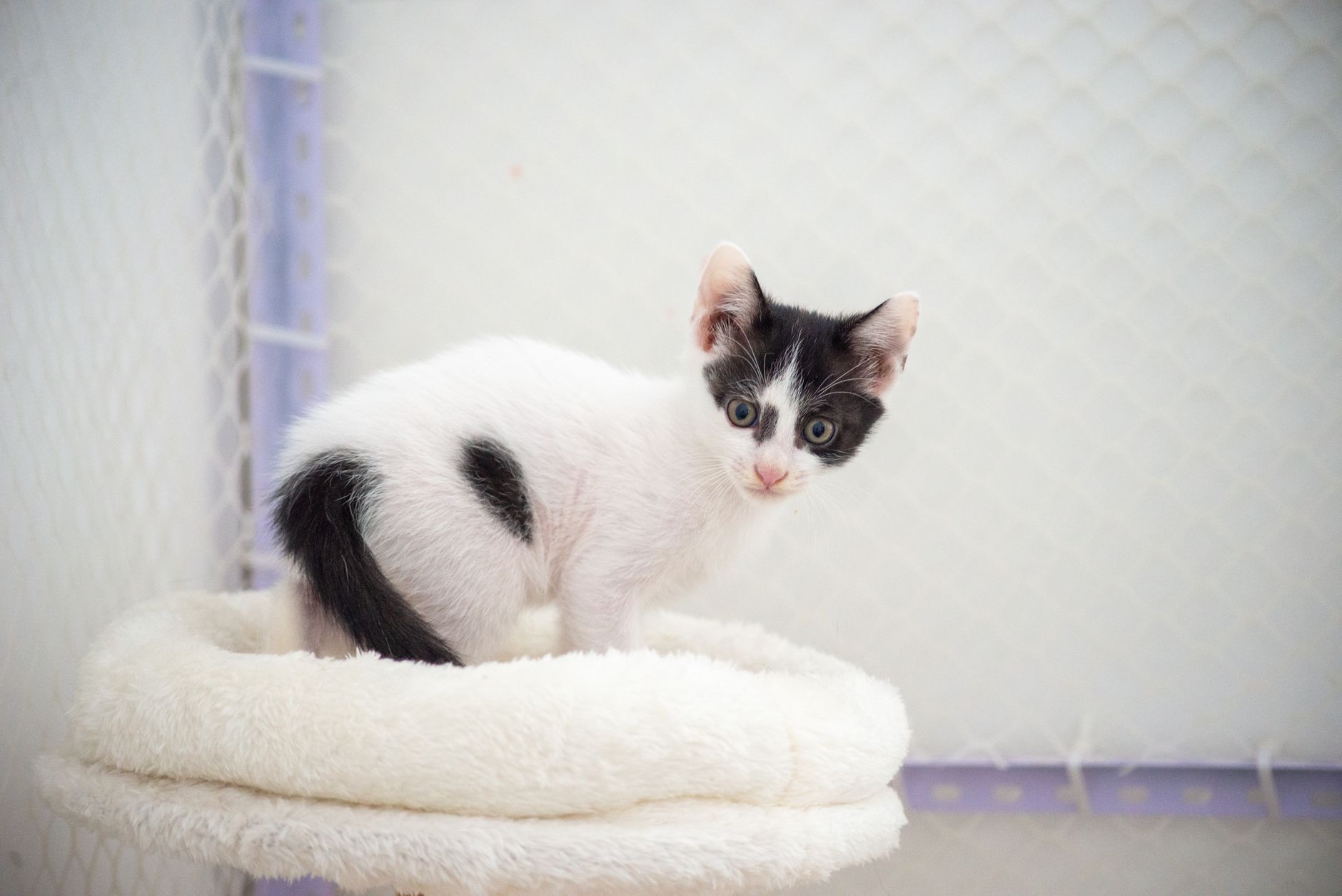
Every summer, animal shelters along the Gulf Coast brace for what rescuers call kitten season. Cats tend to wait for warmer weather to have their litters, while dogs breed year-round, so by early summer many shelters are overflowing with tiny, furry newcomers. At The Haven, the Fairhope-based nonprofit animal shelter, that seasonal wave is just one part of a mission that has been saving homeless dogs and cats in Baldwin County for more than two decades.
In a 2023 conversation, Kasey Cotten, then the office manager at The Haven, described how the no-kill shelter rescues, rehabilitates and rehomes animals, and how the community keeps that work going.
Baldwin County’s First No-Kill Shelter
Cotten, who grew up in Mobile and has lived in Fairhope since she was 20, said The Haven was the first no-kill animal shelter in Baldwin County. “We rescue, rehabilitate and find loving homes for homeless animals in the area,” she said.
The Haven works hand in hand with local animal control shelters to place dogs and cats in good homes. That partnership model is common in animal welfare. Municipal and county animal control facilities typically must accept the animals brought to them, which can strain their space and budgets, while nonprofit rescues can pull animals from those facilities, provide medical care and focus on finding the right adopters.
The term “no-kill” is often misunderstood. It generally does not mean that no animal is ever euthanized. Under the widely used benchmark set by Best Friends Animal Society, a shelter is considered no-kill when it saves at least 90 percent of the animals in its care, reserving euthanasia for animals with untreatable medical conditions or serious behavioral issues rather than using it to manage space.
A Veterinarian’s Vision
The Haven traces its roots to the late Dr. Teressa Marshall, a local veterinarian who saw too many strays being euthanized for conditions that could have been treated. She decided to use her skills to make a difference.
Marshall began treating strays at her private practice and placing them in loving homes. Her mission became so popular that she ran out of room in her office. In 2000, she established a nonprofit organization, which has since been able to save an increasing number of animals each year.
How Adoption Works
The Haven has made the adoption process straightforward. Prospective adopters can browse available pets on the organization’s website, click on an animal’s name and fill out an application. Adoption coordinators receive applications in real time and begin the approval process immediately.
Matching a pet with the right home involves practical questions, such as whether a dog needs a large area to run, a fenced yard, or whether it is more of a lap dog content to spend much of its time indoors. “We want to provide a home that best matches both the dog and the pet owner. Our biggest priority is that the dog is going to be loved and cared for,” Cotten said.
Adopted pets come ready for their new homes. “All adopted pets are dewormed, receive flea treatment, are microchipped, spayed or neutered, and heartworm tested,” she said. If a dog tests positive for heartworms, The Haven covers the cost of treatment.
In 2023, the adoption fee was $175 for a dog and $125 for a cat. The dog fee covered all of those treatments plus a sample bag of Hill’s Science Diet dog food, along with leashes and collars from pet store overstock donations. “You get a bunch of goodies with your adoption,” Cotten said. Fees can change over time and during special promotions, so check The Haven’s website for current pricing.
The Heartworm Problem
Cotten emphasized one issue in particular: heartworm disease. Most dogs that have been treated for heartworms go on to lead healthy lives, she said, but treatment is costly, and it is among the top 10 reasons dogs are abandoned. The solution is prevention.
Heartworm disease is spread by mosquitoes, and the warm, humid climate of the Gulf Coast makes the Southeast one of the highest-risk regions in the country. Worms can grow in a dog’s heart and lungs, causing serious damage if untreated. Veterinarians generally recommend year-round preventive medication and regular testing, which cost far less than treating an established infection.
Kitten Season and the Role of Foster Families
Because cats give birth in spring and summer, The Haven works diligently to prepare kittens for adoption as quickly as possible. “We get an overwhelming number of stray kittens this time of year,” Cotten said. “Many times, they are ‘neonates’ and must be bottle-fed because they don’t have mothers to feed them. We rely on fosters to help feed and care for them for 4 to 6 weeks until they are ready to adopt when they return to the shelter.”
Bottle-feeding neonatal kittens is demanding work, often requiring feedings every few hours around the clock in the first weeks of life. Foster volunteers who take on that job make it possible for shelters to save animals that would otherwise be too young and fragile to survive in a kennel environment.
More Than 200 Volunteers
The Haven also maintains a strong volunteer program. In 2023, its team included more than 200 dedicated volunteers whose skills were put to work throughout the organization. Those interested can visit The Haven’s website, find the volunteer section under its programs and complete a volunteer interest form to get started.
Volunteer roles at shelters like The Haven commonly include:
- Fostering kittens, puppies or animals recovering from medical treatment
- Walking, socializing and caring for animals at the shelter
- Helping at adoption events and fundraisers
- Transporting animals to veterinary appointments
- Lending professional skills such as photography, marketing or administration
How the Community Keeps It Going
“We are supported through the kindness of others, grants, and fundraisers,” Cotten said. She pointed to one example of what donations make possible: Maddie, a 3-year-old German shepherd mix who arrived at The Haven lonely and afraid with four puppies in tow. Maddie needed love and nourishment so that she and her puppies could thrive. The Haven’s team got to work immediately, making sure the little family received the medical care and attention they needed before placing them in lifelong homes. None of that, Cotten said, would have been possible without community support.
Tax-deductible donations can be made online through The Haven’s website or by mail to PO Box 1063, Fairhope, AL 36533. No donation is too small, but monthly donors are especially valuable. Knowing that gifts will arrive every month allows The Haven to budget confidently for animals that come in with more severe medical needs, such as broken bones and heartworm disease.
Ways to Help Right Now
Whether you are ready to adopt or simply want to support animals in need, there are several ways to be part of the no-kill solution:
- Adopt. Browse available dogs and cats online and submit an application.
- Foster. Open your home temporarily, especially during kitten season.
- Volunteer. Fill out an interest form and share your time and talents.
- Donate. Give once or become a monthly donor to provide steady support.
- Prevent. Keep your own pets on heartworm prevention and have them spayed or neutered to reduce the number of unwanted litters.
From one veterinarian’s office to an organization supported by hundreds of volunteers and donors, The Haven has grown on the strength of a simple idea: homeless animals deserve a second chance. Every adopter, foster parent and donor who steps forward helps give them one.