

GULF SHORES, Ala. — The deaths of two University of Mississippi students, both found with packaged, store-bought kratom at the scene, have renewed national attention on a plant-based substance that is sold openly in many states but has been illegal in Alabama for a decade.
Authorities in Oxford, Mississippi, are investigating the deaths of an 18-year-old and a 20-year-old student who were found in separate locations. One was discovered in a campus residence hall and the other at an off-campus home in Oxford. Kratom products were found at both scenes.
Investigators have been careful to stress what they do not yet know. Lafayette County Metro Narcotics officials said the two cases are being handled as separate inquiries, and there is no confirmed evidence that the deaths are connected. Toxicology results are still pending, and it has not been confirmed whether kratom played any role in either death.
Police and university administrators have urged students and community members to avoid substances that have not been prescribed to them while the investigations continue.
What we know about the Ole Miss investigations
- Who: Two University of Mississippi students, ages 18 and 20
- Where: One in a campus residence hall; one at an off-campus home in Oxford, Mississippi
- What was found: Packaged, store-bought kratom at both scenes
- Investigating: Lafayette County Metro Narcotics and university authorities
- Connected? Being handled as separate cases; no confirmed evidence the deaths are linked
- Cause of death: Not yet determined; toxicology results pending
What is kratom?
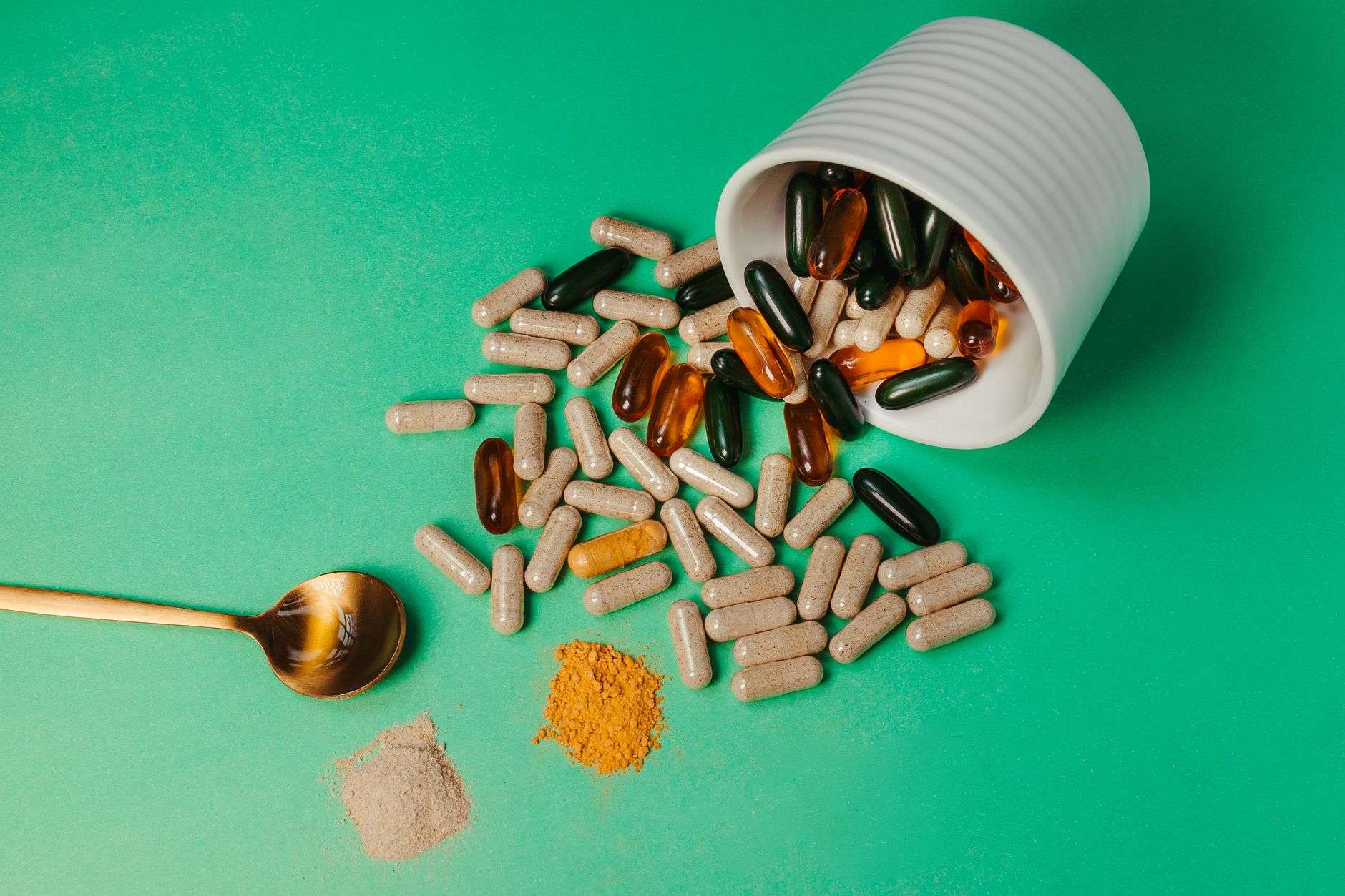
Kratom comes from the leaves of Mitragyna speciosa, a tree native to Southeast Asia. It has been used in that region for generations, where leaves have traditionally been chewed or brewed into tea. In the United States, kratom is commonly sold as powders, capsules, liquid “shots,” extracts and other products, often in vape shops, smoke shops, gas stations and convenience stores.
The substance has complex effects that depend largely on the dose. At lower doses, kratom can act as a stimulant, producing increased energy and alertness. At higher doses, it can produce opioid-like effects, including sedation and pain relief. Its main active compounds, mitragynine and 7-hydroxymitragynine, interact with the same receptors in the brain that opioids act on.
Some people use kratom to manage pain or to ease symptoms of opioid withdrawal, and its supporters argue it can help people reduce their use of more dangerous drugs. Medical and public health officials, however, have raised concerns about its potential for dependence and addiction, withdrawal symptoms, interactions with other drugs, and the lack of consistent quality control in commercial products. The U.S. Food and Drug Administration has not approved kratom for any medical use and has warned consumers not to use it.
Illegal in Alabama since 2016
While kratom remains legal and widely available in many states, Alabama took a different path. In 2016, the Alabama Legislature outlawed kratom by classifying its active chemical compounds, mitragynine and 7-hydroxymitragynine, as Schedule I controlled substances, the most restrictive category under state law. Schedule I is reserved for substances considered to have a high potential for abuse and no currently accepted medical use.
As a result, possessing, selling or distributing kratom is a felony in Alabama. Law enforcement agencies across the state have continued active crackdowns to remove kratom products from gas station and convenience store shelves, and people caught with the substance can face serious criminal charges.
The situation is different just across the state line. In Oxford, the substance is banned by local municipal ordinance, while rules vary from community to community and state to state across the region. That patchwork of state and local rules means a product that is sold legally in one community may be a felony to possess a short drive away.
Growing concern in Baldwin County
Concerns about kratom are not limited to Mississippi. In Baldwin County and the Gulf Shores area, officials say the illegal drug has become increasingly common, drawing heightened attention from health officials and local authorities.
Part of the challenge is that kratom products are easy to find in neighboring states and online, and many people may not realize that a product purchased legally elsewhere is illegal to bring into Alabama. Products may also be sold under a variety of names and packaging that do not make clear what they contain.
The danger is not only to adult users. Earlier this month in Escambia County, police in Atmore charged a couple after their 14-month-old child ingested kratom that had been left within reach. The toddler had shown opioid-like symptoms, a reminder that products containing kratom should be treated with the same caution as any other drug when children are present.
What national data show
National public health studies have documented hundreds of deaths across the country in which kratom was detected. According to data from public health agencies and medical examiners, the vast majority of those cases involved poly-substance use, meaning kratom was found alongside other potent substances such as prescription opioids, illicit narcotics like fentanyl or heroin, or sedatives.
That pattern makes it difficult for toxicologists and medical examiners to determine kratom’s specific role in a death. Kratom may contribute to dangerous effects on its own at high doses, or it may interact with other drugs in ways that increase the risk of respiratory depression and other life-threatening effects. In many cases, it is simply one of several substances present.
That is one reason investigators in Oxford have emphasized waiting for toxicology results before drawing any conclusions about the two students’ deaths.
Federal attention to concentrated products
In recent years, federal regulators have focused particular attention on concentrated products containing high levels of 7-hydroxymitragynine, often marketed as “7-OH.” That compound is naturally present only in tiny amounts in the kratom leaf, but some manufacturers have produced products with much higher concentrations. In 2025, the FDA recommended that such concentrated 7-OH products be placed under federal drug scheduling, citing concerns about their potency and potential for abuse. Several states have also moved to restrict those products.
Advice for parents and students
With college students across the region settling into the fall semester, the Ole Miss investigations are a reminder of the risks of using any unprescribed substance, even one that is sold in a store and packaged to look like a supplement. Health officials offer several reminders:
- “Sold in a store” does not mean safe or legal. Kratom is a felony to possess in Alabama, and products sold elsewhere are not reviewed or approved by the FDA.
- Doses and contents vary. Commercial products can differ widely in strength, and labels may not accurately reflect what is inside.
- Mixing substances raises the risk. Combining kratom with alcohol, opioids, sedatives or other drugs can be especially dangerous.
- Store medications and substances securely. Keep all drugs, supplements and chemical products out of the reach of children.
- Know the warning signs. Extreme drowsiness, slowed or stopped breathing, confusion, seizures or unresponsiveness are medical emergencies. Call 911 immediately.
Where to get help
Anyone concerned about a possible poisoning or exposure can call Poison Control at 1-800-222-1222, available 24 hours a day. People seeking help with substance use can contact the SAMHSA National Helpline at 1-800-662-4357, a free, confidential, 24/7 service that provides referrals to treatment and support. In an emergency, call 911.
Waiting for answers
For the families and friends of the two Ole Miss students, the coming weeks will bring the difficult wait for toxicology results and final findings from investigators. Authorities have been clear that no conclusions should be drawn until testing is complete.
In Alabama, where kratom has been outlawed for a decade, the cases serve as another reminder of why state lawmakers and law enforcement have treated the substance as a serious concern, and why health officials continue to warn residents about the dangers of unregulated products.