

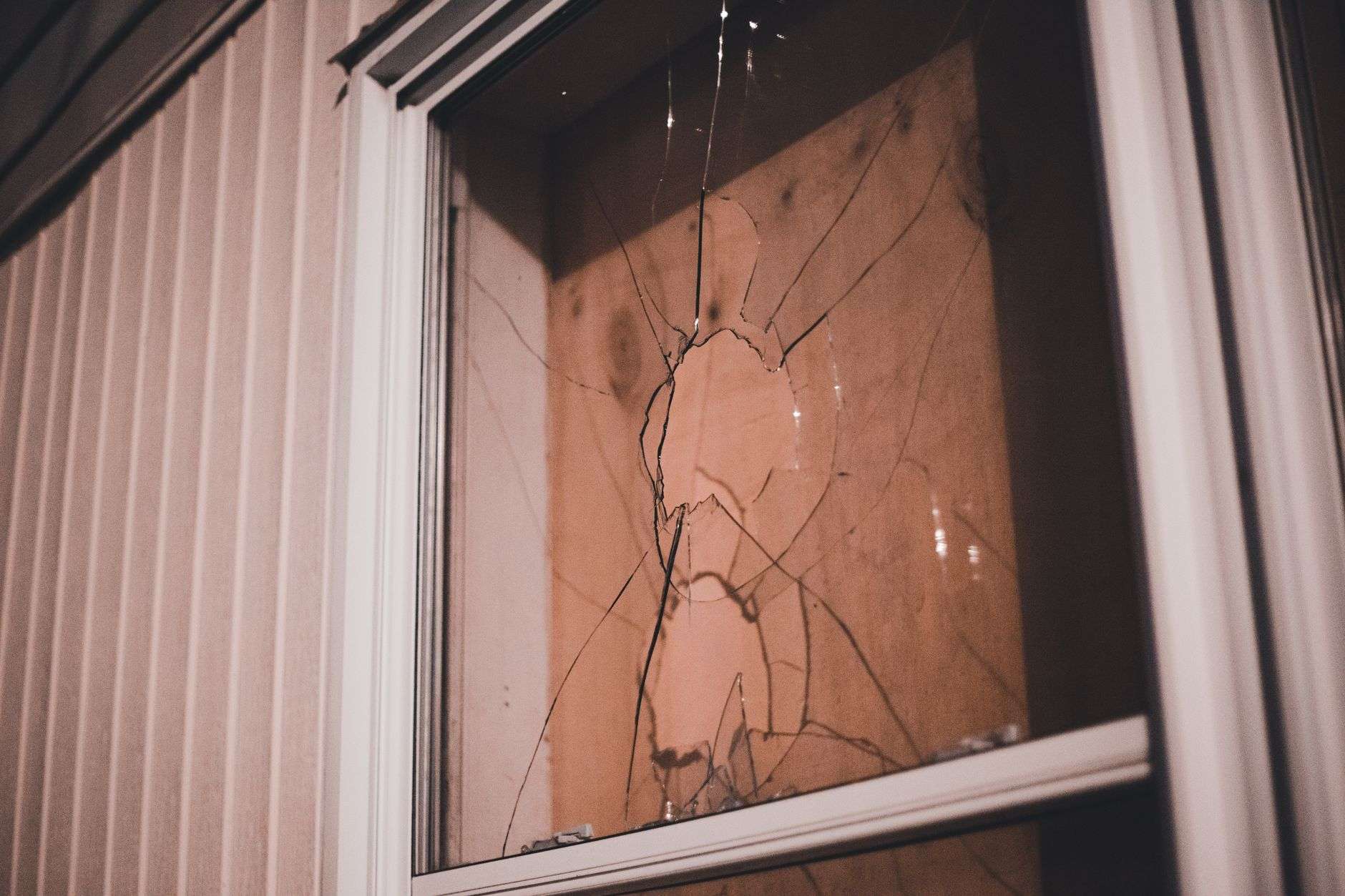
MOBILE, Ala. — Mobile police are investigating a burglary in which a man is accused of breaking into a home and threatening two women before he was caught by officers a short time later.
According to a Mobile Police Department news release, officers were called to the 3800 block of Rue Maison around 1 p.m. on July 24, a Friday afternoon, after receiving a report of a burglary in progress.
When officers arrived, they learned that a man had broken into the home and threatened two women who were inside at the time.
A midday break-in with occupants at home is among the most alarming calls police can receive, and the response reflects that. Dispatchers treat a burglary in progress as a priority call, sending multiple units with lights and sirens rather than a single car, because the assumption is that a suspect is still present and the encounter could turn violent at any moment. Friday afternoon residential calls also carry the complication of children home from school and neighbors out on lawns — bystanders whom responding officers must account for.
Investigators have not released details about the relationship, if any, between the man and the women, or about the nature of the threats made during the encounter.
That absence of detail is not unusual at this stage. In domestic-adjacent cases, police withhold the relationship information both to protect the victims and because confirming it takes interviews; in stranger-intrusion cases, releasing too much can compromise the investigation by tipping off a suspect about what witnesses can identify. Either way, the early news release typically says only what dispatch and the first officers on scene could verify.
A Short Chase, a Quick Capture
Police say the man then attempted to leave the area, apparently in an effort to avoid responding officers. However, he was caught by officers a short time later, not far from the scene of the break-in.
Fast captures like this one usually come down to the first few minutes. The 911 caller gave a location and often a description; responding units set up a perimeter of the surrounding blocks within a couple of minutes; and a suspect fleeing on foot or by car finds the avenues out of the neighborhood already watched. Canine units and the department’s helicopter, when deployed, extend the search radius quickly. A capture “not far from the scene” is the most common outcome when officers arrive while the crime is still in progress.
The timing also matters for the evidence. A suspect caught minutes later may still carry items taken from the home, still wear clothing described by witnesses, and can be shown to witnesses for a fresh identification rather than one reconstructed from memory days later. Physical evidence recovered on scene — entry damage, fingerprints, dropped property — ties the suspect to the house in ways that become harder with every passing hour.
What Happens While the Investigation Continues
Despite being apprehended, no arrests had been announced as of the release, and the Mobile Police Department says the incident remains under active investigation.
It was not clear whether the man was being questioned, held pending further investigation, or had been released while detectives continue building the case.
The distinction between being detained and being arrested is a legal one that often confuses the public. Officers can stop and detain a person on reasonable suspicion that he was involved in a crime, question him and hold him while they verify or clear his account. Formal arrest requires probable cause and starts the clock on charges, bond hearings and booking. In a case like this one, detectives may spend hours interviewing the women, the suspect and witnesses before deciding which laws were actually broken and which charges the evidence will support.
Those charges could range widely depending on what interviews establish. Breaking into an occupied home is burglary in the first degree under Alabama law when the burglar is armed or causes injury, and burglary in the second degree when the dwelling is occupied — both felonies that carry far heavier penalties than a burglary of an unoccupied structure. Threatening the women inside could add terroristic-threat or assault counts, and if the man was known to one of the victims, domestic-violence enhancements and protective-order implications could follow as well.
The Street and the Neighborhood
Rue Maison is a residential street in Mobile, and neighbors in the area were not reported to have witnessed the break-in directly, according to the release.
Residential break-ins during daylight hours follow patterns that crime analysts have documented for decades. Most occur between late morning and mid-afternoon, when homes are likelier to be empty — which makes an intrusion while two people are home a deviation from the norm and one reason the case drew a full police response. Entry is most often through a rear or side door, and the typical duration inside is measured in minutes: the intruder takes cash, jewelry, electronics and firearms, items that are small, portable and easy to sell.
For the surrounding blocks, a midday intrusion is unsettling precisely because it happened while people were home. Neighborhood associations in Mobile routinely respond to incidents like this with renewed attention to block watches, porch cameras and communication trees that pass descriptions to the police quickly. Doorbell cameras have changed the evidentiary picture in recent years: a residential street with a handful of them can produce timestamped video of a suspect’s approach and escape that no amount of traditional canvassing would recover.
Police urge residents to report suspicious activity as it happens rather than afterward — a person walking driveways, testing door handles or lingering by a neighbor’s window is worth a call at the moment, not a mention at the next association meeting.
Home Intrusions: What Victims Should Do
For the two women inside the Rue Maison home, the aftermath of a threat follows a sequence that victims’ advocates know well. Medical attention comes first if anyone was hurt, even if injuries seem minor. Then come the interviews, which are best done quickly while memories are fresh; victims are encouraged to write down everything they can recall, including the intruder’s words, clothing and direction of travel, before details blur.
Alabama’s victims’ rights framework gives crime victims standing in the process that follows — notification of hearings, the right to be heard at sentencing and access to compensation for counseling and lost wages through the Alabama Crime Victims’ Compensation Commission. Domestic violence advocates and the district attorney’s victim services office can walk victims through protective orders, which are available even before charges are filed when the facts support one.
Practical recovery matters too. After a break-in, police recommend changing locks, replacing compromised window hardware and documenting stolen property with serial numbers and photographs — the records that make recovery possible if the items surface in a pawnshop database or an online marketplace sting. Stolen firearms carry their own urgency, since a gun taken in a burglary too often resurfaces in a violent crime, and detectives pursue those leads aggressively.
How the Case Proceeds From Here
The Mobile Police Department has asked anyone with additional information about the incident to come forward as investigators work to determine what charges, if any, will be filed.
In the days after a case like this, detectives re-canvass the street for cameras, pull any doorbell or surveillance video within a block or two, and run the suspect’s information — if he has been identified — against databases of prior calls, warrants and known associates. The two women’s statements anchor the case, and their account of the threats will determine whether prosecutors can add charges beyond the burglary itself.
Anonymous tips remain an option for neighbors who know something but hesitate to get involved. Mobile Area Crime Stoppers takes information without caller identification and pays rewards for tips that lead to arrests, and investigators say the program regularly produces the details that break a case open — a name, a vehicle, a place where stolen property was seen.
For now, the facts that can be stated plainly are these: a Friday afternoon report of a burglary in progress on Rue Maison; two women threatened inside their home; a man who fled as officers arrived and was caught nearby within minutes; and an investigation that continues, with the weight of what happens next resting on interviews, evidence and the decisions of prosecutors in the days to come.
The case is a reminder of how quickly an ordinary afternoon can turn into an emergency, and of how much depends on the first phone call — the one that brought officers to the 3800 block of Rue Maison while the events were still unfolding.
Officers and investigators alike point to that first call as the decisive factor in cases of this kind: the two-minute window between a 911 report and a dispatched perimeter is what separates a capture from a cold search of a neighborhood.