

MOBILE, Alabama — Mobile Area Water and Sewer System crews plan to bring a set of newly installed water transmission lines online Tuesday morning, a project engineers say will boost water service reliability for downtown Mobile and the City of Prichard. Utility officials are warning nearby residents that the work carries a slim chance of temporary water discoloration as the system adjusts.
What the project involved
The project involved converting an existing 48-inch raw water line into a potable water main and installing a new 30-inch line along Owens Street. Together, the upgrades are designed to reduce water age in the pipes and add capacity for downtown customers as well as the interconnections that supply Prichard, according to utility officials familiar with the project.
Raw water lines carry untreated water, typically drawn from the Connoquenessig Creek watershed and the system’s surface water sources, to treatment facilities before it is purified and distributed. Converting a line built for raw water into a potable main requires cleaning, disinfection and testing before the water moving through it is approved for drinking — steps that have already been completed ahead of Tuesday’s switch-over.
Water age is a quiet but important variable in any distribution system. The longer water sits in pipes before it reaches a tap, the more its disinfectant residual fades and the more water quality can drift. New transmission capacity lets the utility move fresh, treated water through the network faster and in greater volume, which improves quality for customers at the far ends of the system.
For Prichard, the upgrades strengthen the interconnections that supply the city, which depends on purchased water delivered through MAWSS infrastructure. Communities served through interconnections feel acutely any pressure or capacity problems on the supplying system, so reliability improvements on the Mobile side translate directly into steadier service across the city line.
Why discoloration can happen
Bringing new transmission infrastructure online can shift the direction and speed of water flow through the surrounding distribution network. That shift can stir up sediment that has settled in older pipes over time, which is the source of the discoloration risk crews are flagging ahead of the switch-over.
Discolored water — brownish, yellowish or rusty in appearance — looks alarming but is usually caused by harmless mineral sediment, particularly iron and manganese, that has accumulated in decades-old mains. The water remains treatable and safe in most cases, but utilities nevertheless work to avoid delivering it because of the problems it causes inside homes.
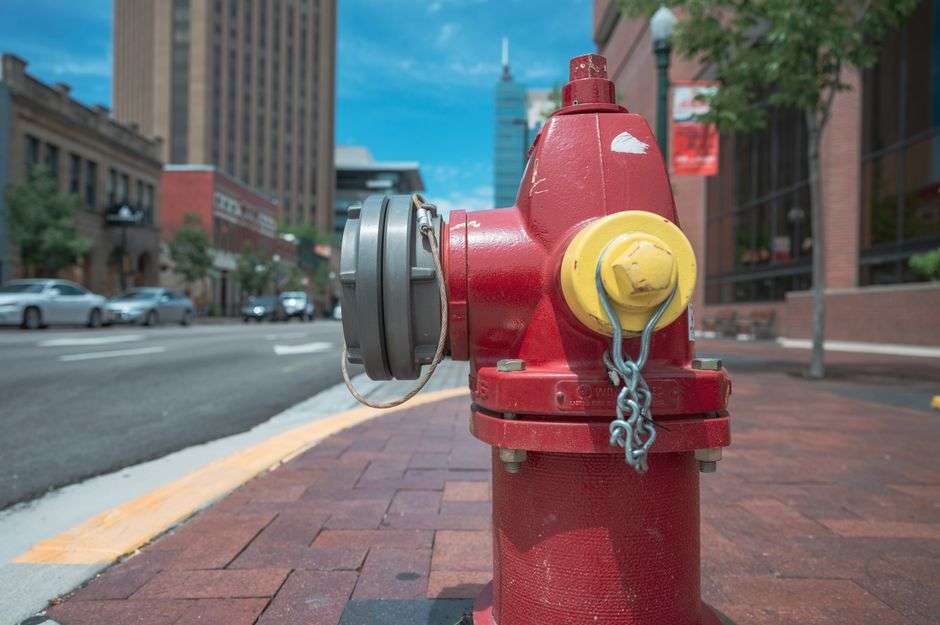
To minimize the chances of discolored water reaching customers, crews will flush fire hydrants near Dr. Martin Luther King Jr. Drive and Brazier Drive before the new lines are put into service. Flushing moves high volumes of water through the mains in a controlled way, carrying stirred-up sediment out through hydrants before it can drift into household plumbing.
The area considered most likely to see any effects sits east of the Interstate 65 beltline, south of Dr. Martin Luther King Jr. Drive, and north of both Moffett Road and Springhill Avenue. Residents within that zone are the ones the utility’s advisory is aimed at, though the utility notes that effects, if any, should be brief.
What residents should do
Residents within the affected zone who notice discolored tap water are advised to hold off on doing laundry, since washing clothes in affected water can cause staining that is difficult to remove. Light-colored fabrics are the most vulnerable, and stains caused by iron or manganese in the water are notoriously stubborn once they set in a wash cycle.
Running cold water taps for a few minutes typically clears residual sediment from household pipes once the utility’s own flushing is complete. Cold water is specified deliberately: running hot water pulls water from the water heater tank, which can draw sediment into the heater and create a longer-lasting problem inside the home.
Customers who experience discolored water are asked to contact MAWSS directly at 694-3165 to report the issue so crews can respond if additional flushing is needed in a specific area. Reports from the field help the utility map where the flow changes had the most effect and direct crews to the streets that need attention.
If water remains discolored after running the taps and allowing time for the system to settle, the utility recommends calling again rather than assuming the problem will resolve on its own. Persistent discoloration can occasionally point to an issue with a service line or household plumbing that deserves a closer look.
The bigger picture on the system
Water age and capacity upgrades like this one are part of the steady, largely invisible work that keeps a water system functioning as its customers and demands change. Mobile’s distribution network includes mains installed across many decades, and utilities across the country face the same challenge of renewing that infrastructure faster than it ages.
Transmission mains are the arteries of the system, moving large volumes of treated water from treatment plants into the neighborhoods. When a major transmission line goes out of service, even briefly, the whole network feels it — pressure drops, and water has to find its way through smaller pipes not designed for the job. Adding a second large main between the same points gives the system redundancy it did not have before.
The City of Prichard, which borders Mobile to the north, has long depended on that interconnection for part of its supply. Strengthening the pipes that carry water between the two systems is the kind of improvement that rarely makes headlines but shows up on the worst days — during a main break, a fire that draws heavy flows, or a summer demand spike — as the difference between a manageable event and a crisis.
For customers downtown and in the affected neighborhoods, the advice for Tuesday is simple: expect no changes at all in the best case, and if the tap runs rusty for a while, wait it out, skip the laundry and make the call to the utility so crews can finish the job.
How utilities manage a switch-over
Putting new transmission capacity online is a carefully choreographed operation rather than the turn of a single valve. Engineers plan the sequence so that flows change gradually, isolating sections, filling the new main, matching pressures between the old and new paths, and watching pressure gauges and water quality readings as the network rebalances.
The flushing that precedes the switch follows the same logic. By opening hydrants in a planned order, crews create a deliberate current through the mains, sweeping sediment toward the hydrants and out of the system rather than letting the flow change scatter it randomly toward homes. Crews typically watch the discharge water run clear before closing each hydrant.
Even with that care, no utility can fully control where stirred-up sediment travels once the network is live again. That is why advisories like this one are worded as a warning rather than a promise: the utility cannot say with certainty that discolored water will occur, only that the conditions that produce it exist, and that the risk zone is the area whose plumbing hangs on the affected mains.
Utilities that operate systems serving both a major city and neighboring communities — as MAWSS does for Mobile and, through interconnections, Prichard — also have to weigh the timing of the switch. Tuesday morning work is scheduled to let crews monitor the network through business hours rather than discovering problems overnight when staffing is thin.
Why the corridor matters
The neighborhood bounded by the Interstate 65 beltline, Dr. Martin Luther King Jr. Drive, Moffett Road and Springhill Avenue sits at a junction of Mobile’s older water infrastructure, where lines serving downtown, the Three Mile Creek area and the northern neighborhoods converge. Mains in this part of the city include some of the system’s oldest assets, which is exactly why sediment accumulates in them over the years.
Owens Street, where the new 30-inch line was installed, connects into that grid as a fresh pathway for large volumes of water. Every new main of that size changes the hydraulics of the surrounding area, redirecting flows that may have run the same direction for decades — and it is those redirected flows that stir the sediment the utility is warning about.
The conversion of the 48-inch raw water line is the more significant of the two changes. A main that large, repurposed as a potable transmission line, adds serious capacity to the system in a single stroke, and it reuses an asset the utility already owns rather than trenching an entirely new corridor through the city.
Protecting your home during the change
Beyond skipping laundry, there are a few practical steps residents in the advisory zone can take during the switch-over window. Avoid running dishwashers and ice makers during hours when water might be discolored, since appliances draw water automatically without giving anyone a chance to see its color first. Filtration devices and refrigerator water lines can also trap sediment, so a round of tap flushing before using them is a sensible precaution.
Restaurants, salons, medical offices and other businesses in the zone have the same considerations on a larger scale, and the utility’s flushing schedule is designed to clear the mains before the busy part of the business day. Business owners who notice discoloration after the flushing is done are asked to report it the same way residential customers are.
Anyone with a health concern related to water quality — an immunocompromised household member, for example — can contact the utility directly with questions about the advisory. Discoloration events are aesthetic problems in nearly all cases, but utilities take questions seriously and can explain what testing and treatment safeguards are in place.
Once the new lines are fully integrated, customers should notice nothing at all in day-to-day service except, over time, more consistent pressure and fresher water. The discoloration risk exists only during the transition; it is the sound of an old system being renewed, and it passes.
MAWSS asks customers in the advisory area to keep the 694-3165 number handy through the week and to report any discoloration promptly, so crews can flush again where it counts and close out the project with the system running clean.