

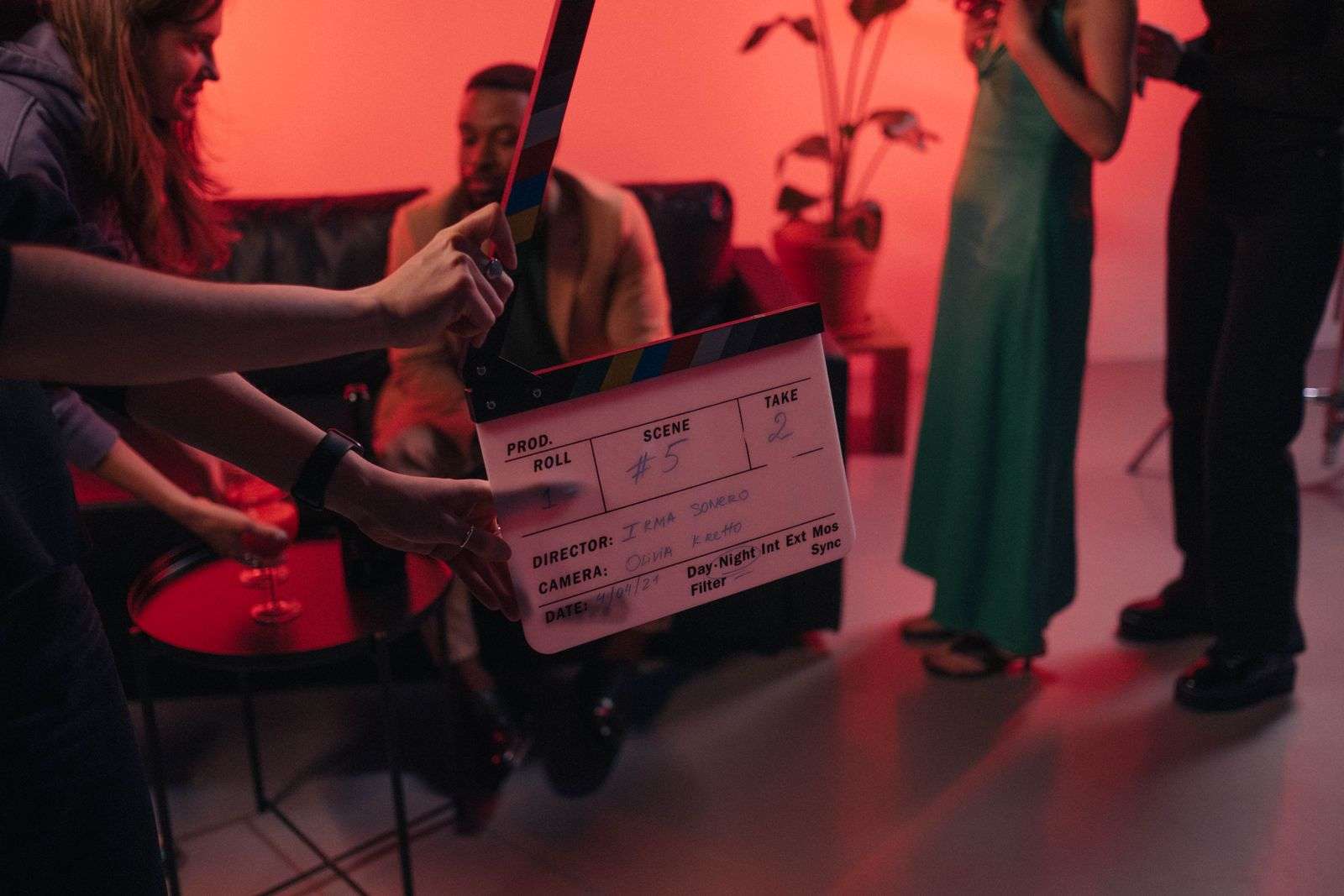
A group of Mobile-area filmmakers spent five days racing to write, shoot and edit short films from scratch for a local contest known as the film scramble, with organizers handing out awards for the best entries built around a “Zombie Attack!” or “end of the world” theme. The tight deadline is the heart of the format. Rather than developing a project over months, competing teams receive a single prompt and a matter of days to deliver a finished, watchable film, which forces quick decisions about story, cast, locations and crew from the moment the theme is announced.
The scramble has become a recurring fixture for the Gulf Coast’s independent film community. The Mobile version follows a model popular in cities across the country: local teams sign up, receive their assignment, and then spread out across the area — living rooms, backyards, wooded lots, storefronts and public spaces — to get their films on camera before the clock runs out. When the window closes, the finished entries are screened and judged, and awards are handed out in front of an audience made up largely of the same people who just went through the ordeal themselves.
A compressed test of every crew role
The format tests everyone involved on a compressed timeline. Writers have to outline and draft a script that can realistically be shot in days, which favors contained stories with small casts and a handful of locations. Directors must plan shots efficiently and keep performances moving without the luxury of extended setups. Actors are asked to learn lines quickly and commit to material they may have only read days earlier. Editors, meanwhile, carry much of the final burden, since the last hours of the five-day window are usually spent cutting picture, fixing sound and exporting a deliverable file that will actually play at the screening.
This round drew entries built around apocalyptic and horror premises, a choice that gives local creators unusual room to experiment on a shoestring budget. Horror and end-of-the-world stories reward resourcefulness: practical effects can be built from thrift-store materials, makeup and prosthetics can transform an ordinary friend into a creature overnight, and dark comedy allows teams to lean into the absurdity of the premise without needing elaborate sets or visual effects. For crews working with borrowed cameras and volunteer casts, the genre is often the most forgiving playground available.
Mobile’s low-stakes proving ground
The event is part of a recurring local tradition that gives Mobile-area independent filmmakers a low-stakes, high-energy outlet to make short-form work outside the standard festival calendar. Traditional festivals can involve months of waiting, entry fees and long-shot odds, while a scramble trades polish for momentum. Participants finish something — a complete film, start to finish — and see it with an audience, which is experience that cannot be replicated by a project that never gets made.
For the Port City, events like this also feed a wider creative pipeline. Mobile sits between New Orleans and the Florida Panhandle, a region with a growing base of filmmakers, actors and technicians, and local scrambles give those people a reason to collaborate close to home. Many crews that form for a five-day challenge stay together for longer-form projects, and the contacts made during a scramble weekend often carry into commercial work, web series and festival submissions later on.
The winners
Three awards were handed out for this round of the contest, spread across three different teams and three very different films. Zack and Sarah Brewer took home Best Technical Achievement for their film “Nuclear Winter,” an award that recognizes the craft behind the camera — cinematography, editing, sound and effects work — rather than story alone. In a scramble setting, where crews often have no budget and no time for reshoots, technical awards tend to highlight teams that planned their shots carefully enough to make limited resources look intentional on screen.
Jolt Productions won Scariest Film for “Safe Zone,” a category that fits naturally with the round’s zombie and apocalypse theme. Horror entries in scrambles typically depend on atmosphere built from lighting, sound design and suggestion rather than expensive effects, and the Scariest Film prize is usually the most hotly contested category when the theme allows it. The award reflects how the event’s judges weigh the audience reaction a film produces, not just how it was made.
The top prize, Best Overall, went to Katie Moody and Sarah Parvardeh for “Love Will Tear Us Apart.” The best-overall designation is the award every scramble team chases, since it recognizes the strongest blend of storytelling, performance and execution in the entire field. With three awards divided among three separate teams, the round produced no dominant sweep, a sign of a healthy and competitive field of local entries.
Why horror thrives in the scramble format
There is a long history of scrappy horror shorts emerging from timed filmmaking challenges, and the reasons are practical as much as creative. A zombie or apocalypse premise justifies grainy handheld footage, sparse locations and small casts, so the constraints of a five-day shoot become stylistic choices rather than obvious limitations. Makeup-driven effects and practical props age far better on a low budget than early attempts at digital effects, and the genre’s reliance on mood means a determined crew with good lighting and sound can generate genuine tension in an ordinary building.
Dark comedy, the other lane this round’s theme opened up, plays a similar role. End-of-the-world stories invite filmmakers to poke at everyday anxieties, and audiences at scramble screenings tend to reward entries that find humor in the collapse of civilization. The mix of scares and laughs across the field gives the final screening a varied rhythm that keeps an audience engaged even after several films built on the same prompt.
What the awards mean locally
For the winners, the prizes offer visibility within a community where reputation travels quickly. Mobile’s independent film scene is small enough that a well-received scramble entry gets discussed, shared and remembered when the next project is being cast or crewed. For organizers, a round with multiple strong teams and distinct winning films builds the case for continuing the event’s schedule, since the format depends on returning competitors and new teams willing to take their first swing.
The next round is already on the calendar
Organizers said the next film scramble is set to begin Friday, January 15, giving new and returning teams another shot at the five-day challenge. The turnaround between rounds is short by design: the format works best when momentum from one screening carries directly into signups for the next, and the January date gives crews just enough time to recruit members, check their gear and clear a weekend on the calendar without losing the habit of making films on deadline.
For teams considering their first entry, the preparation is simple and mostly free. A capable camera — which can be a phone — a way to record clean sound and at least one person willing to take responsibility for editing covers the essentials. Because the theme is announced at the start of the window, crews do not need a finished idea in advance; they need a group they can work with under pressure and a plan for how to divide writing, shooting and cutting. Veterans of past rounds often advise new teams to keep the story small: one location, two or three actors and a single clear idea survive a five-day deadline far better than an ambitious script that cannot be finished.
A model that keeps the scene moving
The scramble’s value to Mobile’s creative community goes beyond a single weekend of awards. Filmmaking is a collaborative craft, and the hardest part of building a scene in a mid-sized city is simply getting people in the same room with a deadline. The scramble manufactures that circumstance on a schedule. Every round adds a batch of finished shorts to the local catalog, a pool of crews who have learned how each other works, and a screening-night audience that grows with each event.
It also gives first-time filmmakers a comparatively gentle entry point. The cost of entry is low, the films are short by rule, and everyone involved knows the constraints, so a rough edge in the final cut is read as part of the format rather than a failure. That tolerance is what keeps new names cycling into the roster instead of waiting years for perfect conditions that never arrive.
As the January 15 start date approaches, the expectation among participants is that the next round will draw both the teams that just competed and a wave of newcomers inspired by the screening. Whether the next prompt sends crews back into the end of the world or in an entirely different direction, the formula will be the same: five days, one finished film and a room full of Mobile audiences ready to see what the local scene can do on a deadline.