

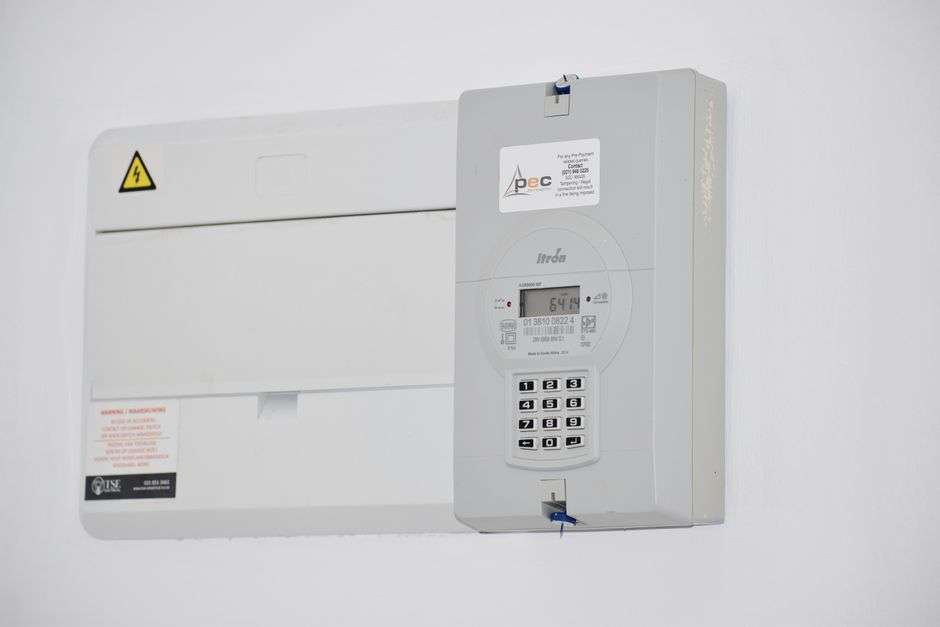
MOBILE, Ala. — Low-income Mobile residents struggling with utility bills will have another chance to apply for help this week, according to Mobile Community Action, Inc. The nonprofit announced that new appointments for the Low Income Home Energy Assistance Program, known as LIHEAP, will open Tuesday, July 28. The announcement comes at the peak of the Gulf Coast summer, when weeks of heat and humidity push air conditioners to run around the clock and electric bills climb to their highest levels of the year.
LIHEAP provides eligible households with financial assistance toward heating and cooling costs, a benefit that has become increasingly important as summer heat drives up electricity bills across the Gulf Coast. The program exists precisely for the stretch of the year Mobile is in now, when a monthly power bill can consume a significant share of a fixed income or a low-wage paycheck. For households already stretching to cover rent, food and medicine, the difference between a manageable utility bill and an unpayable one can determine whether the lights stay on through August.
Residents hoping to apply should be prepared with documentation, as Mobile Community Action requires proof of eligibility before appointments can be processed. Applicants generally need to verify household income, identification for household members and their current utility account information, so gathering those materials before an appointment saves time and prevents delays. The organization did not specify how many appointment slots would be available or how long the window would remain open, so residents interested in applying are encouraged to reach out as soon as possible once the appointments open Tuesday.
How LIHEAP works in Mobile
LIHEAP is a federally funded program administered locally by community action agencies like Mobile Community Action, Inc., and is designed to help households that meet income guidelines cover a portion of their home energy costs. The federal money flows from the U.S. Department of Health and Human Services to the states, which in Alabama allocate it to community action agencies that take applications directly from households. That structure puts the program’s front line in local offices, where staff members verify income, calculate benefits and work with utility providers on behalf of qualifying families.
The program’s assistance is not intended to cover an entire bill, but rather to reduce it to a level a struggling household can manage. Payments typically go directly to the utility provider on behalf of the household, which means residents see the benefit reflected on their accounts rather than as a check in hand. Depending on the circumstances, LIHEAP funds can also assist households facing disconnection notices, which often represent the difference between keeping service active and scrambling to restore it after a shut-off.
Eligibility is determined by household income relative to federal poverty guidelines, with priority often given to households that include elderly members, young children or disabled residents, groups considered most vulnerable to extreme temperatures. The income thresholds adjust with household size, so a family of four qualifies at a different level than a single senior on Social Security. Community action agency staff walk applicants through those calculations at the appointment, which is why the required documentation matters so much to the process.
Why summer strains Gulf Coast households
Along the Gulf Coast, energy assistance is often thought of as a winter issue, but summer presents its own serious dangers. Sustained heat and humidity across south Alabama send cooling costs soaring, and for older homes with poor insulation and aging air conditioning systems, the bills can be punishing. Health officials warn repeatedly that heat is among the deadliest weather hazards, particularly for elderly residents, infants and people with chronic illness, which makes a working air conditioner a health necessity rather than a luxury in July and August.
That reality shapes how the program operates locally. Households that fall behind on summer bills can accumulate balances that follow them into the winter heating season, compounding the problem across the year. A LIHEAP payment in the summer months can prevent that spiral, keeping accounts current before arrears grow to the point that disconnection becomes likely. Local agency workers describe the program as a stabilizing tool, one that keeps families in their homes and keeps utility service continuous for children and seniors.
Mobile Community Action’s role in the community
Mobile Community Action, Inc. is part of the national network of community action agencies created in the 1960s to fight poverty at the local level, and the organization’s portfolio extends well beyond energy assistance. Community action agencies in Alabama typically administer programs touching head start-style early education, nutrition, housing and self-sufficiency services, all aimed at the same population of low-income households. The breadth of that mission means the agency’s staff often know the families seeking LIHEAP help through other programs as well, allowing referrals to services a household may not realize it qualifies for.
The agency’s periodic openings of new LIHEAP appointment windows reflect the practical challenge of managing a fixed annual allocation of federal funds against steady demand. Rather than accepting walk-in applications year-round, community action agencies in the region typically release appointment slots in batches, announcing when the next group opens. That system spreads the available money across the program year and gives households who missed an earlier window another chance, but it also means slots in each window are finite, and the most popular openings fill quickly.
For residents, that dynamic translates into a simple rule: call or apply early in the window. The agency’s caution that it did not specify how many slots would be available or how long the window would remain open is standard language that underscores the uncertainty. Households that wait until later in the week to seek an appointment risk finding the batch exhausted, left to wait for the next opening while bills continue to accrue.
What applicants should have ready
Preparation is the other half of a successful application. Residents seeking a LIHEAP appointment should be ready to document household income for every working member, whether through pay stubs, benefit award letters or other official records, along with photo identification and Social Security information for household members as the agency requires. A copy of the current utility bill connects the application to the account that will receive the assistance, and applicants whose utilities are included in rent should ask the agency how that situation is handled before their appointment.
Households with recent changes in circumstances, such as a job loss or a new household member, should bring documentation of those changes as well, since eligibility is based on current circumstances rather than the previous year’s income alone. Agency staff can answer questions about specific situations during the appointment, and applicants who are unsure whether they qualify are generally encouraged to apply anyway, since the income guidelines are broader than many residents expect.
The Tuesday, July 28 opening represents another round of help for a population that has faced rising costs through the year. For the low-income families, seniors and disabled residents of Mobile who qualify, the program’s assistance offers breathing room in tight monthly budgets, and for some, the difference between a cool, safe home and one where the air conditioning has been shut off. Mobile Community Action’s announcement directs interested residents to contact the agency as appointments open, and those who miss this window can watch for the next round of openings as federal funds remain available.
The stakes of a summer utility bill
Behind the program’s paperwork are the household budgets it protects. A low-income family in Mobile facing a triple-digit July electric bill must make tradeoffs that households with larger incomes never confront: whether to pay the power bill in full or split it against the rent, whether to fill a prescription or keep the thermostat running through the afternoon. Those tradeoffs accumulate, and a single month’s shortfall can trigger late fees, disconnection notices and credit damage that follow a family for years. LIHEAP’s benefit, though modest relative to a household’s total expenses, is often the margin that prevents one hard month from becoming a crisis.
The elderly are among the program’s most frequent beneficiaries, and among its most vulnerable if help arrives too late. Seniors on fixed incomes have little flexibility when bills spike, and heat-related illness strikes older adults harder and faster than the young. Community agencies across Alabama report that helping a senior keep power connected is among the most consequential work they do, because the alternative, a home without cooling in a Gulf Coast August, poses a direct medical risk. That same calculus applies to households with infants, disabled members or residents who depend on powered medical equipment.
Utility disconnection also carries consequences beyond comfort. A home without electricity loses refrigeration for food, power for medical devices and lighting for safety after dark, and families facing shut-offs sometimes relocate temporarily at significant cost and disruption. Children in households that lose utility service can face school instability on top of the physical discomfort. Prevention, in the form of assistance applied before a shut-off, is far cheaper and safer than the emergency response that follows disconnection, which is the logic behind the program’s design.
The program’s place in the social safety net
LIHEAP occupies a specific niche in the country’s social safety net: it is not welfare in the broad sense, but a targeted benefit tied directly to a household’s home energy costs. Congress funds the program annually, and its allocation has historically fluctuated with federal budget cycles, which is why community action agencies structure their local application windows around the money they receive. In years when the federal allocation runs thin, agencies must stretch funds further and close windows sooner; in stronger years, more households receive help. The local agency has no control over that total, only over how carefully it is distributed.
For Mobile Community Action, the July opening is one piece of an annual calendar of application windows that together exhaust the area’s allocation across the program year. Households that receive assistance once are generally eligible to apply again in later windows, subject to the program’s rules, which means the appointment system serves both first-time applicants and returning households working to stay current on their bills. The agency’s staff manage that balance continually, matching demand against remaining funds and prioritizing the households in the most precarious circumstances.
Residents who reach the agency this week will find a process designed to be thorough but navigable. The documentation requirements that sometimes frustrate applicants exist because every payment must be verified against federal standards, protecting both the program’s integrity and the families it serves. Applicants who arrive prepared with their paperwork typically move through an appointment quickly, and those approved see the benefit applied to their utility accounts, easing the pressure of the summer’s most expensive bills. For information on appointments, residents should contact Mobile Community Action directly as the Tuesday, July 28 window opens.