

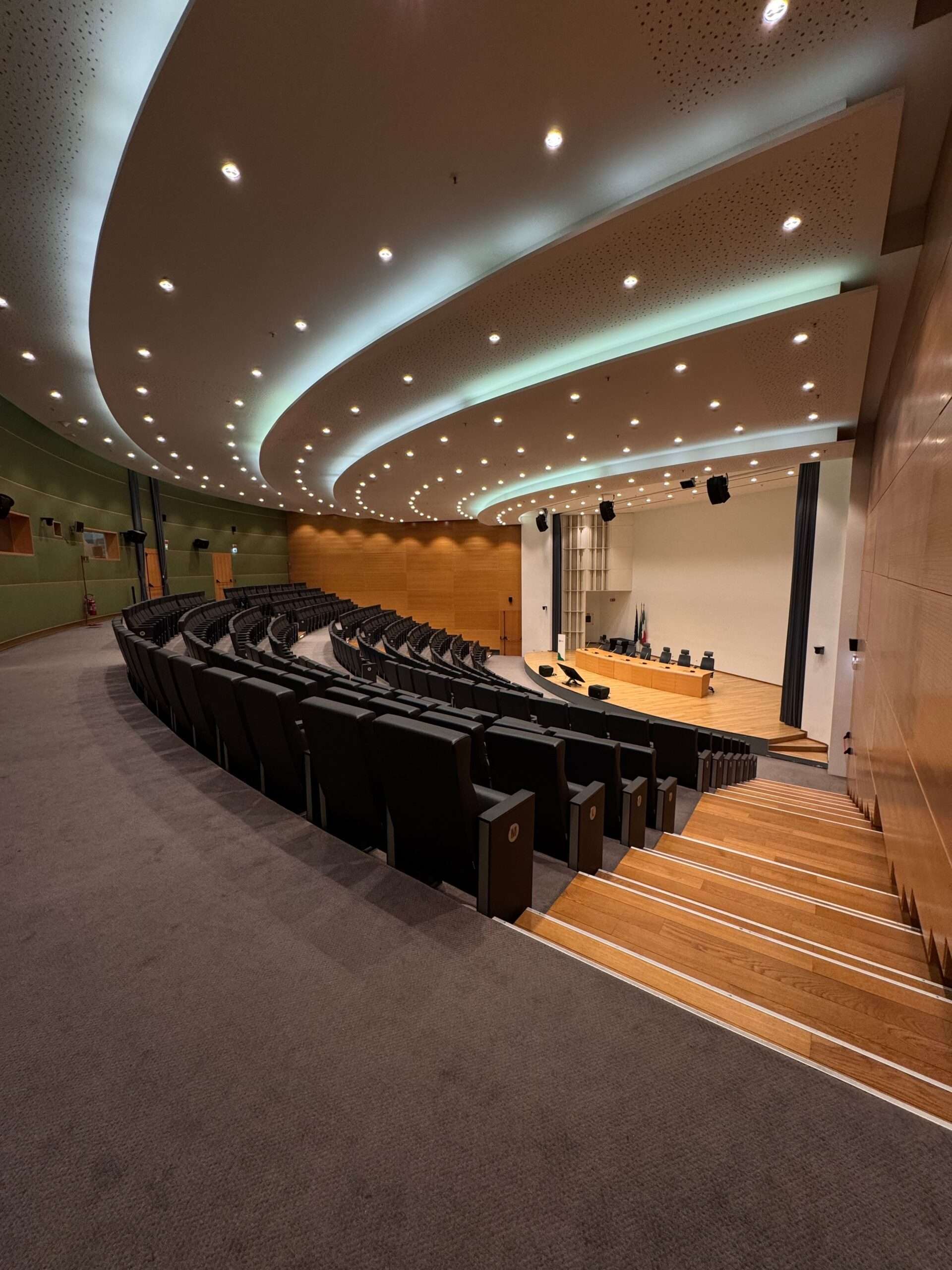
Prichard Mayor has scheduled a town hall meeting for Aug. 4 as the city’s police department continues to face scrutiny over its operations, an event the mayor has framed as an opportunity for residents to hear directly from city leadership about the state of public safety in the community.
The town hall comes at a time of heightened attention to the Prichard Police Department, which has been the subject of public criticism and internal review in recent weeks. The mayor’s office has signaled that the meeting will include an update on the department’s staffing, response times and ongoing investigations, as well as a broader discussion of how the city plans to address concerns raised by residents.
Why a Town Hall Now
Town hall meetings are a regular feature of municipal governance in Prichard, where the city’s relatively small population and engaged civic culture make public meetings a useful forum for direct conversation between residents and elected officials. The Aug. 4 meeting is being held in response to specific concerns that have surfaced in recent weeks about police operations, and the mayor’s office has framed the event as a chance to walk through those concerns in detail rather than addressing them piecemeal through social media or individual meetings.
For residents who have been tracking the issues, the town hall offers an opportunity to ask questions and to hear directly from the mayor and from police leadership about what changes, if any, are being made to address the concerns. For city officials, the meeting is also a chance to demonstrate that the concerns have been taken seriously and that the city’s response is being managed deliberately rather than reactively.
What the Police Department Has Faced
Prichard’s police department, like many small and mid-sized municipal departments across the country, has faced staffing challenges in recent years. Recruiting and retaining officers has been difficult, particularly for departments that compete with larger agencies in Mobile and Baldwin counties for a limited pool of qualified candidates. The result has been longer response times for non-emergency calls and a heavier workload on the officers who remain.
Beyond the staffing issue, the department has faced specific operational questions in recent weeks, including concerns about how individual incidents were handled and how investigations were pursued. The mayor’s office has signaled that some of those concerns have already led to internal reviews and policy adjustments, while others remain under review.
What Residents Should Expect
Town hall meetings in Prichard typically draw a mix of longtime residents, newer arrivals and community advocates who want to make sure their concerns are on the record. The Aug. 4 meeting is likely to follow that pattern, with a structured opening from the mayor and police leadership followed by an open question-and-answer session. Residents who want to ensure their concerns are addressed are encouraged to arrive early and to be prepared to speak concisely during the public-comment portion.
The mayor’s office has also signaled that the town hall will be an opportunity to lay out a longer-term plan for the police department, including any staffing additions, training initiatives or policy changes that are being considered. That kind of forward-looking presentation is useful for residents who want to understand not just what has been done in response to recent concerns but what the city’s broader public-safety strategy looks like.
Prichard’s Place in Mobile County
Prichard, a city of roughly 19,000 residents in north Mobile County, has long been one of the more closely watched municipal governments in the region. The city’s history of financial difficulties, including a past municipal bankruptcy, has made its budget and operations a regular subject of public discussion, and the current mayor’s administration has worked to communicate its priorities more transparently than some of its predecessors.
The police department’s work intersects with the city’s broader quality-of-life issues, including code enforcement, blight remediation and economic development. The mayor’s office has framed investments in public safety as part of a broader strategy to make Prichard a more attractive place to live and to do business, and the Aug. 4 town hall is expected to touch on those connections.
How the City Has Communicated So Far
The mayor’s office has used social media and direct outreach to communicate with residents in the weeks leading up to the town hall, posting updates about the agenda and encouraging attendance. That kind of communication has become standard practice for municipal governments across the country, but it is especially important in Prichard, where a significant share of residents rely on social media as their primary source of information about city government.
For residents who cannot attend the Aug. 4 meeting in person, the mayor’s office has indicated that a recording or summary of the meeting will be made available afterward. That kind of follow-up is intended to ensure that the substance of the meeting reaches residents who could not attend, and it has become a regular practice for Prichard town halls.
What Comes After the Meeting
Town hall meetings are most useful when they lead to concrete follow-up, and the mayor’s office has signaled that the Aug. 4 meeting will be followed by a public update on the issues raised. That follow-up could take the form of additional meetings, written reports or both, depending on what residents bring to the discussion.
For Prichard residents who have been frustrated by recent events, the town hall is a chance to be heard. For city officials, it is a chance to demonstrate that the city’s response to the concerns has been thoughtful and that the path forward is being managed deliberately. Both sides will be watching the meeting closely, and the public record of the discussion will shape the next phase of the city’s response.
The Broader Public Safety Context
Prichard’s public safety challenges sit inside a broader regional context in which small and mid-sized municipal departments across the Gulf Coast have struggled to recruit and retain officers. The competition for qualified candidates has intensified as larger departments offer higher salaries and more generous benefits, and Prichard has been particularly affected by the difficulty of competing with the Mobile Police Department, the Mobile County Sheriff’s Office and Baldwin County agencies that sit within commuting distance of the city.
The city has responded to the staffing pressure in several ways, including partnerships with local colleges to recruit officers with criminal justice degrees, signing bonuses for experienced lateral hires, and outreach to veterans and second-career candidates. None of those strategies has produced an instant fix, and the police department’s staffing levels remain a key topic of public discussion, but the mayor’s office has framed the long-term strategy as one of investment in people rather than quick-turnover hiring.
What Residents Can Do Beyond Attending
For Prichard residents who want to engage with the city’s public-safety planning beyond the Aug. 4 town hall, several options exist. The city’s police advisory committee, which includes residents and business owners from across Prichard, meets regularly and takes public comment on department operations. Neighborhood association meetings also provide a forum for residents to raise specific concerns about crime, code enforcement and other quality-of-life issues, and those concerns are typically passed along to the police department and to the mayor’s office.
The mayor’s office has also encouraged residents to use the city’s online reporting system for non-emergency issues, which helps the police department track patterns and allocate resources. That kind of routine engagement, the office has argued, is just as important as the bigger public meetings, because it produces the data and the community feedback that the department uses to plan its responses.
Why These Meetings Matter to Prichard’s Future
Town hall meetings are a small but meaningful piece of how Prichard residents and city leadership communicate about the future of the community. The Aug. 4 meeting is one of several scheduled for the coming months, and the mayor’s office has framed each of those meetings as part of a broader effort to keep residents informed about city operations and to give them a meaningful role in shaping priorities.
For a city that has faced its share of public-safety and financial challenges, regular public engagement is also a way of demonstrating that city government is responsive to the concerns of residents who show up. The Aug. 4 meeting is an opportunity to continue that work, and the follow-up after the meeting will determine how much of the discussion translates into concrete changes in how the police department operates and how the city communicates with the public it serves.
Residents who want to submit written questions or concerns ahead of the meeting can do so through the city’s website, and the mayor’s office has indicated that those submissions will be folded into the agenda wherever possible.