

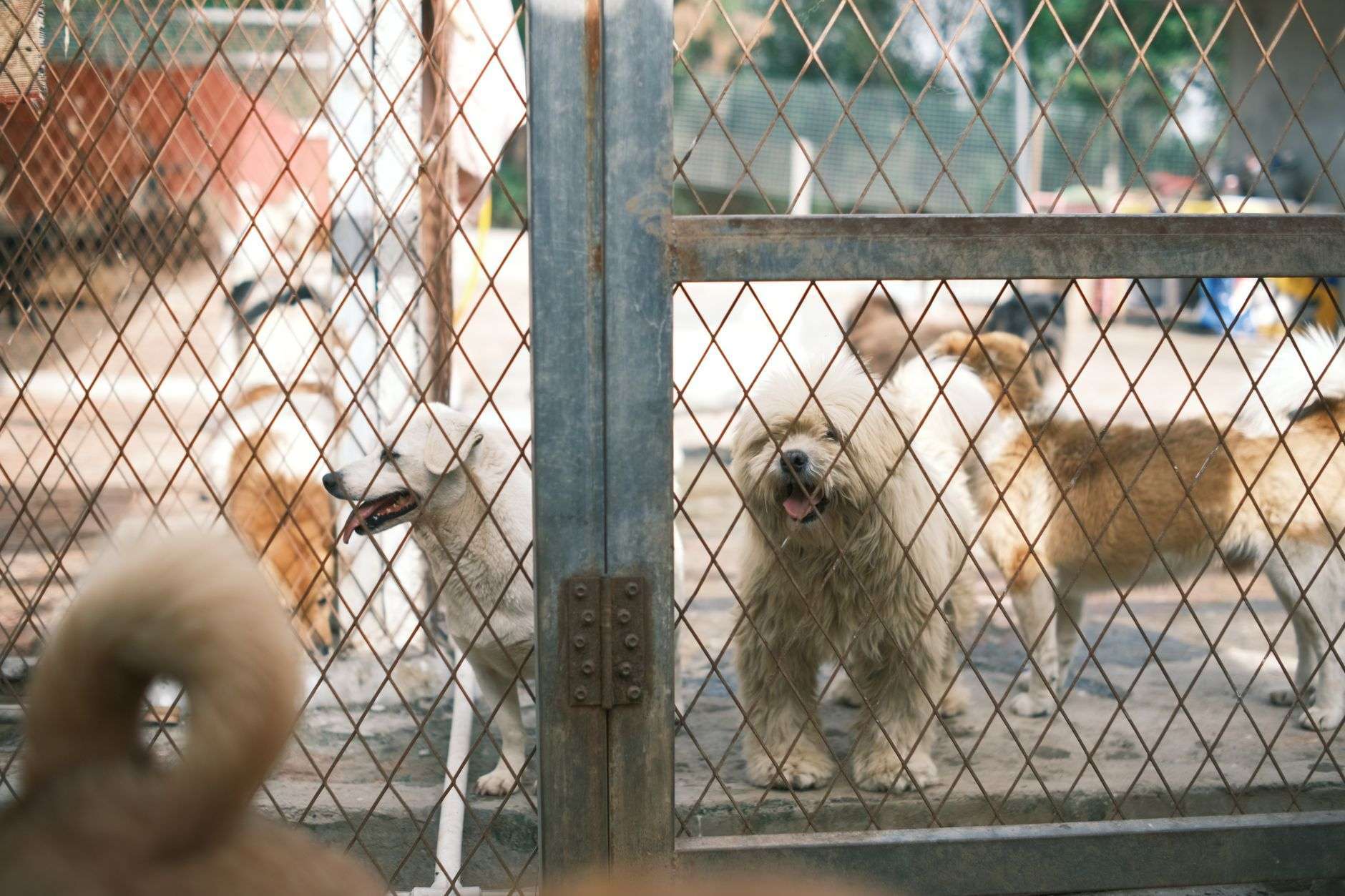
The Mobile SPCA wants to introduce Gulf Coast animal lovers to Ava, a spirited young rat terrier who is this week’s featured Pet of the Week and is officially on the hunt for a forever home. Estimated to be somewhere between 9 months and a year old, Ava was found wandering near a fruit stand in Mobile County before she was brought into the shelter’s care.
Staff describe her as sweet-natured and full of energy, the kind of dog who is just as happy curling up for affection as she is bounding around with excitement. That combination — a young dog with an off switch — is exactly what adopters hope to find, and it is one reason the shelter spotlight matters for a dog like Ava: the featured pets tend to draw the first visits when prospective adopters come through the door.
Rat terriers, a breed developed in the United States for hunting vermin on farms, are known for being intelligent, alert and quick learners — traits shelter staff say Ava is already showing off. The breed’s history is an American one: farm families across the South and Midwest relied on rat terriers to keep grain stores and homesteads free of rodents, and the dogs earned their place as versatile, thrifty working companions rather than pampered pets. That working heritage shows in the breed’s stamina, sharp senses and eagerness to have a job.
According to the SPCA, Ava is doing well with her crate training, a good sign for anyone hoping to bring a well-mannered, adaptable dog into their household. Crate training matters for more than housebreaking; a dog comfortable in a crate travels more safely, adjusts more easily to vet stays, and handles being home alone without anxiety. She is also, staff note, an enthusiastic kisser, greeting people with plenty of affection.
The breed and what it needs
Rat terriers are typically compact, athletic dogs that thrive on both physical exercise and mental stimulation, making them a good fit for active families or individuals who enjoy walks, play sessions and interactive training. Their small-to-medium size also makes them adaptable to a range of living situations, from houses with yards to apartments, provided they get enough daily activity.
What the breed generally does not tolerate well is boredom. A rat terrier left alone in a yard all day without interaction will invent entertainment, and the results — digging, barking, escaping — are usually the reason dogs of this type end up in shelters. For an adopter who can offer daily walks, games and training sessions, though, the breed rewards the effort with loyalty and trainability that few dogs match. Their short coats also make grooming simple, a practical trait in the Gulf Coast climate where a heavy coat would be a burden much of the year.
Ava’s age puts her in an ideal adoption window. Dogs under a year old are still forming their habits, which means a new owner’s routines — house rules, walking schedules, socialization with people and other animals — become the dog’s norms. For adopters willing to put in the first-year work, a young dog like Ava offers a lifetime shaped to the household that takes her in.
How the Mobile SPCA works
The Mobile SPCA, a nonprofit animal welfare organization serving the greater Mobile area, relies on adoptions like Ava’s to make room for the steady stream of stray and surrendered animals that come through its doors. As a private nonprofit rather than a municipal pound, the organization depends on adoption fees, donations, memberships and volunteer labor to fund its operations, and every completed adoption is both a life saved and capacity freed for the next animal in need.
The shelter’s intake never really pauses. Strays arrive from county roads and city neighborhoods, owners surrender pets they can no longer keep, and litters of puppies and kittens born to unaltered animals arrive seasonally. That constant flow is the arithmetic of animal welfare: adoptions create space, space creates rescues, and every week the cycle repeats. Featured pets like Ava are the tip of a roster of animals waiting at any given time.
Featuring a Pet of the Week is part of the shelter’s ongoing effort to connect adoptable animals with local families and reduce the number of pets awaiting placement. The weekly feature gives animals a platform beyond the kennel — a photo, a personality write-up, and a reason for readers to come meet a dog or cat they might otherwise scroll past. For dogs like Ava, who came in as a stray with no history attached, the feature is often the first chance to show what she is like beyond the kennel run.
The adoption process
Anyone interested in giving Ava a permanent home is encouraged to complete a pet adoption application through the Mobile SPCA. Shelter staff can walk prospective adopters through the process, including any meet-and-greet visits, to make sure Ava and the adopting household are a genuine match. The application-and-meeting process is not bureaucracy for its own sake; it is how the shelter tries to prevent returns, which stress the animal and consume the very capacity the adoption was meant to free.
Prospective adopters should think ahead about what a young terrier mix requires: a routine, exercise, training consistency, and a plan for the adjustment period when a new dog learns the rules of a new home. The first weeks matter most, and shelter staff can offer guidance on feeding, crating schedules and introducing the dog to existing pets. Adopters with other dogs should plan a supervised introduction before finalizing the match, a standard step that prevents most conflicts before they start.
Adopting from a nonprofit shelter also carries community consequences beyond one dog’s life. Adoption fees support the next rescue, the spay and neuter work that reduces future intakes, and the medical care that gets animals like Ava ready for new homes. Every adoption is a small vote for the model of sheltering that the Mobile SPCA has practiced for decades in a community where the need never runs out.
Why strays like Ava end up waiting
Ava’s story — found wandering near a fruit stand in Mobile County — is a common one in the region. Rural roads and commercial strips across south Alabama collect strays: dogs dumped by owners who no longer want them, pets that slipped loose and were never reclaimed, and animals born entirely outdoors. Without a collar, microchip or owner looking, a stray’s best outcome is a shelter with the space and the network to find it a home.
The mobile region’s animal welfare challenge is compounded by geography. Mobile County spreads across a large area from downtown to the Mississippi line, and stray dogs in the unincorporated stretches can go unseen for weeks before someone stops for them. That is what makes organizations like the Mobile SPCA and the featured-pet program they run so central to the community: they convert chance encounters into adoptions.
Young dogs like Ava also face a hidden competition. Puppies draw visitors first, and adult dogs sometimes wait months for a home. A dog in the 9-month-to-1-year range is past the puppy stage but still young enough to train easily — a sweet spot that adopters who understand dogs often prefer, since the hard parts of puppyhood are behind and the dog’s personality is already visible.
Living with a rat terrier on the Gulf Coast
The breed’s traits suit the Gulf Coast well in most respects. Rat terriers handle heat far better than heavy-coated breeds, their short coats need only occasional baths, and their compact size works in everything from a downtown apartment to a quarter-acre in the county. Their hunting instincts mean they will chase cats, squirrels and anything small that runs, so a secure yard and a leashed-walk habit are important — lessons anyone who has watched a terrier lock onto a squirrel already knows.
The breed also tends to bond closely with its people. Terriers want to be where the household is, whether that is a walk through the neighborhood, a car ride, or the couch in the evening. For an owner home regularly, a rat terrier becomes a constant companion; for a household gone all day, crate training like Ava’s is a practical foundation for managing the hours alone.
Training is where the breed shines. Rat terriers pick up commands quickly and enjoy the engagement of learning, and shelter staff have already seen the signs in Ava’s behavior. A first-time dog owner who commits to a basic obedience class would likely find the breed an eager student, and the training process itself builds the bond that keeps a dog settled in its home for life.
The week ahead for Ava
For now, Ava waits at the Mobile SPCA with her photo in this week’s feature and her file open for applications. The shelter’s staff will keep working with her — reinforcing the crate training, letting her personality show to visitors, and fielding the calls that a Pet of the Week feature generates. If the pattern holds, a dog with her looks, age and temperament will not wait long.
Adopters who cannot take Ava can still help in ways that matter. Sharing her feature extends its reach, donations support the medical care and daily costs that keep the shelter running, and volunteering or fostering expands the organization’s capacity. And for anyone who has been considering adding a dog to the household, a young, crate-trained, affectionate rat terrier sitting in a Mobile shelter this week is as good a reason as any to fill out the application.