Third Human West Nile Virus Case of 2026 Confirmed in Mobile County as Mosquito Season Lingers
Mobile County has confirmed its third human West Nile virus case of 2026. Vector Services will increase spraying, survey neighborhoods and trap mosquitoes near the case.
MOBILE, Ala. — Mobile County has confirmed its third human case of West Nile virus this year, the Mobile County Health Department announced Friday, Oct. 30, and health officials are urging residents to keep guarding against mosquito bites until the first freeze ends the season.
Dr. Kevin Michaels, health officer for Mobile County, confirmed the case. Because of patient privacy protections under the federal Health Insurance Portability and Accountability Act, known as HIPAA, the department will not release any information that could identify the patient, including age, neighborhood or condition.
The new case follows the county’s second human case of 2026, which was confirmed at the beginning of October, and a series of positive tests in the health department’s sentinel chicken flocks in several parts of the county this fall. Read our earlier coverage of the second human case.
What West Nile virus is
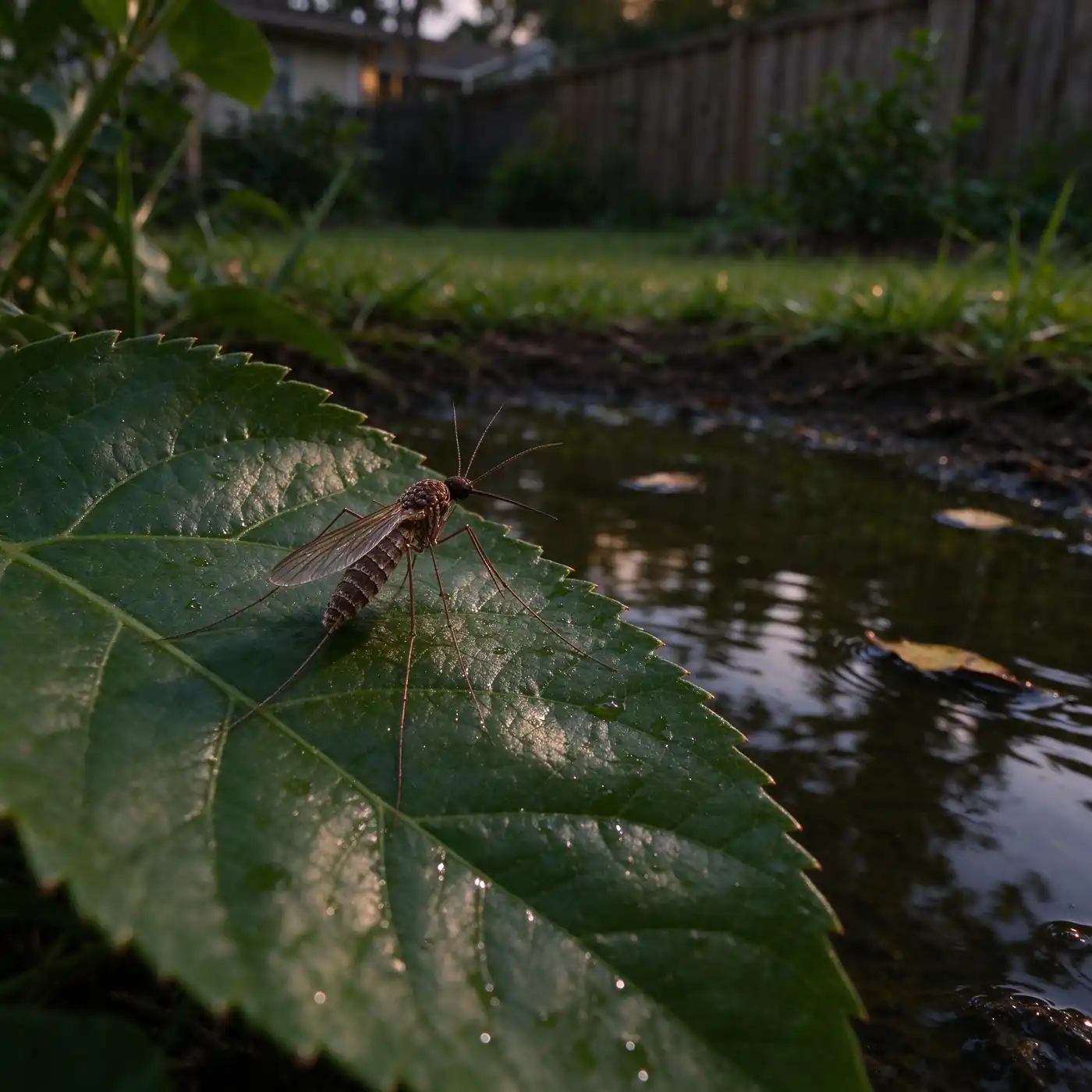
West Nile virus is a mosquito-borne virus and a form of encephalitis, an inflammation of the brain. It circulates in nature between birds and mosquitoes: a mosquito picks up the virus by feeding on the blood of an infected bird and can then pass it on when it bites another bird or a mammal, such as a person or a horse.
People and horses can become sick, but they are considered dead-end hosts. The disease cannot be spread from person to person or from horses to people.
Many people infected with West Nile virus never feel sick, and others develop a mild illness with fever, headache and body aches. A smaller share become seriously ill. According to the health department, people with West Nile virus and other mosquito-borne diseases can develop symptoms including:
- High fever
- Severe headache
- Nausea
- Stiff neck
- Confusion and disorientation
- Muscle weakness or paralysis
- Seizures
Those symptoms can be severe enough to require medical care. In rare cases, the virus can cause coma or death. How serious the illness becomes may depend on a person’s age and overall health; older adults and people with weakened immune systems are generally at greater risk of severe disease. Anyone who develops these symptoms, particularly after spending time outdoors, should contact a health care provider.
Risk lasts until the first freeze
The risk of mosquito-borne encephalitis in Mobile County is highest from August through the first freeze of the fall, according to the health department. With temperatures running above normal for late October and rain in the forecast, standing water and mild nights can keep mosquitoes active for weeks to come.
Mosquito activity peaks at dusk and again at dawn, so people who are outdoors during those hours, whether for yard work, sports practice, fishing or evening events, face the greatest exposure.
How Vector Services is responding
The health department’s Vector Services program will step up its work in the areas around the new case. According to the department, crews will:
- Increase mosquito spraying in the immediate area.
- Conduct door-to-door surveys in nearby neighborhoods.
- Set traps to capture adult mosquitoes and test them for West Nile virus.
Spraying targets adult mosquitoes that are already flying and able to spread the virus. The door-to-door surveys focus on the next generation, looking for containers and other spots where water collects and mosquito larvae can develop. Trap results help crews learn whether infected mosquitoes are present and where to concentrate their efforts.
Vector Services also monitors sentinel chicken flocks at coops around the county. Chickens can be infected without becoming seriously ill, and blood samples drawn from them regularly give the department an early warning when the virus is circulating in an area.
Protecting yourself and your family
Michaels said it is extremely important that people taking part in outdoor activities do everything they can to reduce their exposure to mosquitoes, and that they keep insect repellent with them whenever they are outside. The health department recommends:
- Using an appropriate mosquito repellent on exposed skin and reapplying as directed on the label.
- Covering skin with clothing, such as long sleeves and long pants, when outdoors.
- Draining standing water around the home, which stops mosquitoes from multiplying.
- Covering doors and windows with screens to keep mosquitoes out of the house.
- Taking extra precautions at dusk and dawn, when mosquitoes are most active.
Mosquitoes can breed in surprisingly small amounts of water. Common trouble spots include buckets, flowerpot saucers, old tires, birdbaths, pet bowls, clogged gutters, tarps, children’s toys and boats left uncovered. Emptying or turning over containers at least once a week removes places where larvae can grow. That advice carries extra weight with 1 to 3 inches of rain forecast for the area over the coming week.
Horses can be vaccinated; people cannot
Horse owners have an additional tool. Vaccines for West Nile virus and Eastern equine encephalitis, or EEE, are available for horses and can reduce the chance that the animals become ill. Owners should talk with their veterinarian about keeping those vaccinations current.
There are no West Nile virus or EEE vaccines available for people, which makes personal protection against mosquito bites the main defense.
Online tools from the health department
The Mobile County Health Department offers an online portal that lets residents request help from Vector Services with mosquito or rodent problems and receive feedback on their requests.
The department has also launched an interactive story map focused on mosquito activity and arbovirus surveillance. Arboviruses are viruses spread by insects such as mosquitoes. The story map is designed to help the public learn about mosquitoes, the diseases they can carry and how to protect themselves.
Residents with questions about mosquito control in their neighborhood can reach Vector Services through the health department.