

The city of Mobile, founded in 1702, sits at the head of Mobile Bay on the Gulf Coast and serves as the regional hub for much of southwest Alabama.
Fall high school sports in Alabama will move forward on their normal timeline this year, but whether student-athletes in Mobile and Baldwin counties actually take the field will be left up to local school leaders, under new guidance released this week by the Alabama High School Athletic Association. The AHSAA’s “best practices” document lays out a series of requirements and recommendations for resuming practices and competition amid the ongoing COVID-19 pandemic, but stops short of dictating a single approach for every school system in the state.
Mobile has a population of roughly 188,000 residents and is the seat of Mobile County, one of the largest counties in the state by population.
AHSAA Executive Director Steve Savarese said the organization’s central board of control built the guidelines to reduce, but not eliminate, the risk of virus exposure that coaches and athletes take on by participating this fall. Savarese said that even if a season is disrupted or cut short by rising COVID-19 case counts in a given region, the AHSAA wanted individual districts to have room to make their own calls rather than imposing a one-size-fits-all mandate statewide.
The Port of Mobile, operated by the Alabama State Port Authority, is one of the largest seaports in the country by tonnage, handling containers, coal, steel and forest products.
“Parents now have options not only about how they educate their children, but they must make a personal choice about whether they should allow their children to participate in extracurricular activities,” Savarese said during a press conference announcing the plan. “Everyone should understand sports this season will not be normal.
Downtown Mobile has been the focus of significant redevelopment in recent years, with new apartments, restaurants and event venues reshaping the Central Business District.
We can’t think in normal terms, therefore our board has provided schools flexibility to play or to not play without penalty and to allow school officials to use their judgment based on the latest health information available in their region.” Under the plan, schools have the option to begin fall practice as early as July 27, though the first week is restricted to acclimation activities and cannot include full-contact drills in sports such as football. The competitive season is still set to open as scheduled on Aug.
The University of South Alabama, Spring Hill College and the University of Mobile anchor the city’s higher education landscape.
Background and Context
20. Savarese said any school system that opts to sit out a game, or an entire season, will not be penalized by the AHSAA for doing so.
Mobile’s Mardi Gras season, the oldest in the United States, draws visitors from across the country and provides a significant boost to the local economy each year.
Games will still be recorded as losses in the standings if forfeited, but the association said it will review any forfeits tied specifically to COVID-19 outbreaks or safety concerns at the end of the season to determine how they should factor into a school’s overall record. Beyond the practice and competition calendar, the AHSAA is leaving a number of other decisions in the hands of local administrators, including limits on fans and spectators at games and how many athletes and staff can travel to away contests.
The city’s healthcare sector is anchored by USA Health, Infirmary Health and Springhill Medical Center, which together employ thousands of residents.
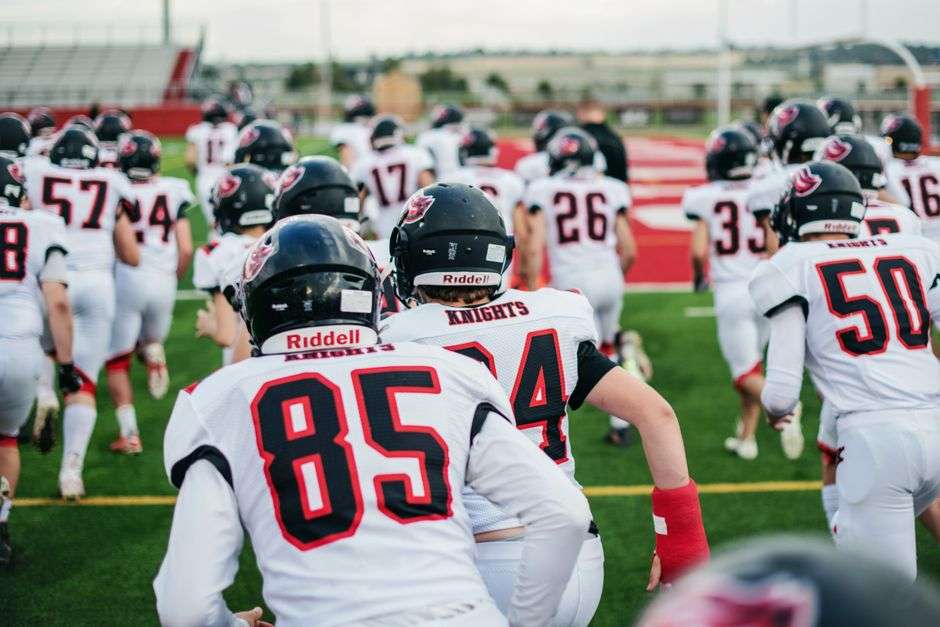
Savarese also confirmed that students attending school virtually this fall — an option several large districts are offering — will still be permitted to participate in athletics, even if they are not physically in a classroom. Football, as the highest-profile and highest-contact fall sport, will see some of the most visible changes under the new guidelines.
Mobile’s manufacturing base includes shipbuilding at Austal USA and Huntington Ingalls Industries, as well as aviation manufacturing at the Airbus final assembly line in Brookley.
Sideline player boxes will be expanded to allow for more space between players, timeouts will run longer, game balls will be sanitized more frequently, pregame and postgame handshakes are suspended, and only one team captain per side will take part in the coin toss. Officials, coaches and other sideline personnel are being encouraged, though not required, to wear a mask or face covering during games.
Local schools include Mobile County Public Schools, the city’s largest public system, along with a network of private and parochial schools serving families across the metro area.
Local Reaction
The decisions now fall to school systems on both sides of Mobile Bay, which are approaching the fall sports question from very different starting points. The Mobile County Public School System, which is delaying the start of its academic year until September and plans to offer only virtual instruction into November, has not yet announced whether its high schools will compete in fall sports.
Mobile’s history as a port city means that issues affecting the waterfront, the shipping channels and the surrounding neighborhoods often take on outsized importance.
The district has already suspended middle school athletics indefinitely. “We now have the AHSAA report and are assessing it.
The Mobile area is home to several historic neighborhoods, including Oakleigh Garden District, DeTonti Square, the Village of Spring Hill and the historic districts of midtown.
We are continuing our summer workouts without pads and tackling. Each school has a plan in place for sanitizing equipment and for maintaining social distancing among the players and coaches.
Sports are a major part of life in Mobile, with the Senior Bowl each January, the Reese’s Senior Bowl practices each week, and a thriving high school and college football scene.
We will continue that as we continue to assess Mobile County’s coronavirus numbers and AHSAA’s recommendations,” MCPSS said in a statement. Because so many Mobile County high schools regularly play crosstown and cross-bay opponents — including private and parochial schools throughout the area — any decision by MCPSS to forgo fall athletics would ripple well beyond its own campuses.
Local media outlets covering Mobile include several television stations, daily and weekly newspapers, and a robust digital news ecosystem.
The Bigger Picture
A district spokesperson said administrators and coaches expect to share more details once they have had time to fully review the AHSAA’s new requirements. Across the bay, Baldwin County Schools Superintendent Eddie Tyler, a former football coach, said his district intends to move forward with fall sports.
Mobile County’s population includes a significant African-American community whose history is closely tied to the founding of Africatown.
“I’m hoping college football will follow, so I have something to do on Saturdays,” Tyler said. “I’m excited about volleyball, cross country, football, cheerleading and band.
Local officials have stressed the importance of community engagement as the situation continues to develop.
There’s no better feeling than being on a practice field in August and you’re sweating and then in the distance, you hear the band playing.” Tyler said decisions about team travel arrangements, marching band participation and cheerleading squads will be made on a school-by-school basis rather than set by a single districtwide policy. Marty McRae, the district’s assistant superintendent over athletics, said practices for Baldwin County teams are scheduled to begin as soon as next week.
Residents with questions or concerns have been encouraged to reach out to their elected representatives.
The differing postures in Mobile and Baldwin counties reflect the broader patchwork approach the AHSAA guidance was designed to allow, giving each community latitude to weigh local health conditions against the desire to get student-athletes back on the field this fall.
The story is one of several similar situations playing out across the region in recent months.
Anyone following local news will recognize many of the names and places involved.
Local civic organizations have begun organizing meetings to discuss the implications.
Business owners and residents alike say they will be watching closely.
The situation underscores how decisions made at the local level can have far-reaching consequences.
Community leaders have called for patience and for a commitment to working through the issues in a transparent manner.
Several local churches and faith groups have offered to host discussions about the topic in the coming weeks.
Public comments at recent meetings have reflected a wide range of opinions.
Local reporters will continue to follow the story and to update readers.
Anyone interested in learning more is encouraged to attend upcoming public meetings.
The outcome of the situation could shape similar discussions in other communities for years to come.
Local historians note that similar issues have surfaced in the past.
Looking Ahead
The story continues to develop, and residents across the region will be watching for additional updates in the coming weeks.