

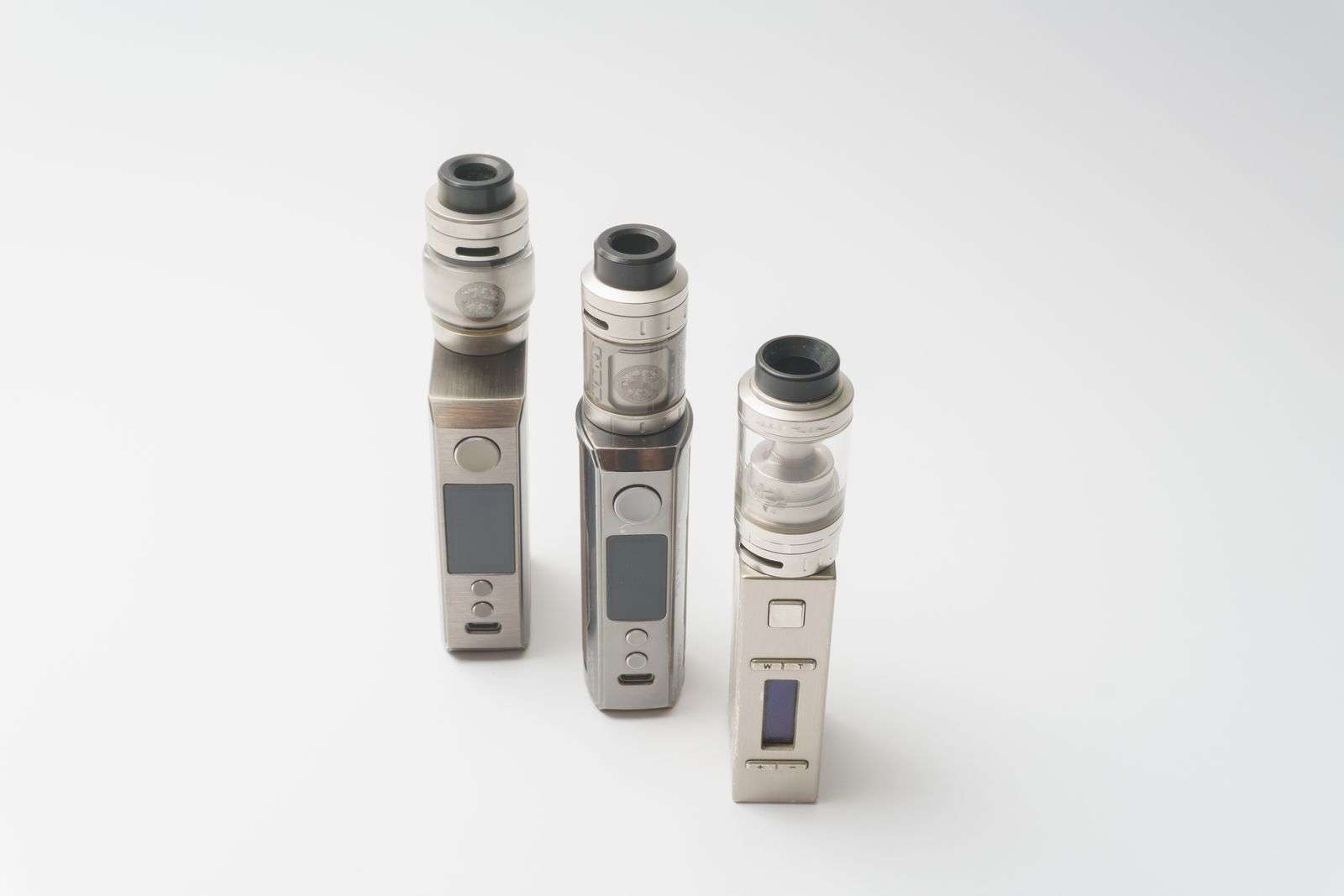
Starting Thursday, Oct. 1, lighting up an e-cigarette inside a restaurant, store, office or other enclosed public space in Alabama will be treated the same as lighting a cigarette. A new state law expands Alabama’s Clean Indoor Air Act to include vaping in its definition of smoking.
The change stems from Senate Bill 9, passed during the 2026 legislative session and sponsored by state Sen. Gerald Allen, R-Tuscaloosa.
What’s changing on Oct. 1
- The Clean Indoor Air Act’s definition of “smoking” now includes the use of an electronic nicotine delivery device, such as an e-cigarette or vape.
- Vaping is banned in the same enclosed public places where smoking is already prohibited.
- The law is renamed the Vivian Davis Figures and Barbara Drummond Clean Indoor Air Act.
- Private residences are not considered public spaces under the law.
Where vaping will be prohibited
The law applies to enclosed public places, including, but not limited to:
- Auditoriums, theaters and museums
- Elevators
- Hospitals, health facilities and nursing homes
- Common areas of retirement homes
- Libraries
- Courtrooms, jury waiting rooms and jury deliberation rooms
- Restaurants
- Laundromats
- Educational facilities
- Shopping malls, retail stores and service establishments
- Government buildings
- Sports and recreational facilities
- Places of employment
- Airports
- Banks
Health officials: A public health step forward
In statements released last week by the Alabama Department of Public Health, State Health Officer Dr. Scott Harris, Allen and Drummond described the law as an advance for public health aimed at keeping indoor air in public places clean.
“Creating healthier environments where Alabamians live, work, and gather is an important part of protecting public health,” Harris said. “Reducing exposure to tobacco smoke and harmful chemicals from vaping in indoor public spaces is an important step toward protecting the health and well-being of Alabamians. This law provides an opportunity to strengthen our commitment to healthier, smoke and vape-free environments across the state.”
Sponsor: Bringing e-cigarettes under ‘the same protections’
Allen, who began carrying the legislation during the 2025 session, said the law is meant to further reduce exposure to nicotine smoke and vapor in public spaces.
“Alabama has long recognized the importance of protecting people from exposure to tobacco smoke in indoor public spaces,” Allen said. “This law brings electronic nicotine delivery systems under those same protections. We encourage businesses, organizations and individuals to familiarize themselves with the law before it takes effect October 1.”
Named for two Mobile lawmakers
The renamed law honors two lawmakers from Mobile. State Sen. Vivian Davis Figures, D-Mobile, sponsored Alabama’s original Clean Indoor Air Act, which was enacted in 2003. Barbara Drummond sponsored Alabama’s law banning the sale of nicotine products to anyone under 21 and led earlier legislative efforts to further regulate electronic nicotine devices.
Drummond called the new law “an important step toward creating healthier environments” and “ensuring that every Alabamian can breathe cleaner air in public spaces.”
“We appreciate the support of the Alabama Legislature and the governor in adopting this important act to protect public places and promote clean air for Alabamians statewide,” Drummond said.
“Vaping poses serious concerns for public health, particularly for our young people. While the long-term health effects of vaping continue to be studied, we know enough to recognize the risks associated with nicotine addiction and exposure to harmful substances,” Drummond continued. “Protecting public health is not just about today—it is about safeguarding the health and well-being of future generations.”
What businesses should do now
ADPH is urging businesses and organizations covered by the Clean Indoor Air Act to make sure their smoking policies and signs reflect the new requirements before Oct. 1. The department recommends that covered entities:
- Review existing smoking policies and update them to include vaping and e-cigarettes.
- Update posted “No Smoking” signs, or add signs, so customers and employees know vaping is also prohibited.
- Let employees know about the change so they can explain it to customers.
The department also urged Alabamians who use electronic nicotine devices to learn the new rules and respect no-smoking signs at covered locations.
What is secondhand vapor?
E-cigarettes heat a liquid, usually containing nicotine, flavorings and other chemicals, to create an aerosol that users inhale and exhale. Although that aerosol is often called “vapor,” public health agencies including the U.S. Centers for Disease Control and Prevention note that it is not harmless water vapor and can contain nicotine, ultrafine particles and other substances. People nearby can breathe in that exhaled aerosol.
Supporters of indoor vaping bans say treating e-cigarettes the same as traditional cigarettes protects workers and customers, particularly children, pregnant women and people with respiratory conditions, and makes the rules simpler for businesses to enforce.
Joining other states
With the change, Alabama joins a number of states that already include e-cigarettes in their indoor smoke-free laws. Many individual businesses, hospitals and school systems in Alabama had already banned vaping on their premises under their own policies; the new law makes the restriction statewide for covered public places.
Help quitting
For Alabamians who want to quit smoking or vaping, the Alabama Tobacco Quitline offers free support at 1-800-QUIT-NOW (1-800-784-8669). Young people can also find help through text-based programs designed for teens and young adults who vape.