

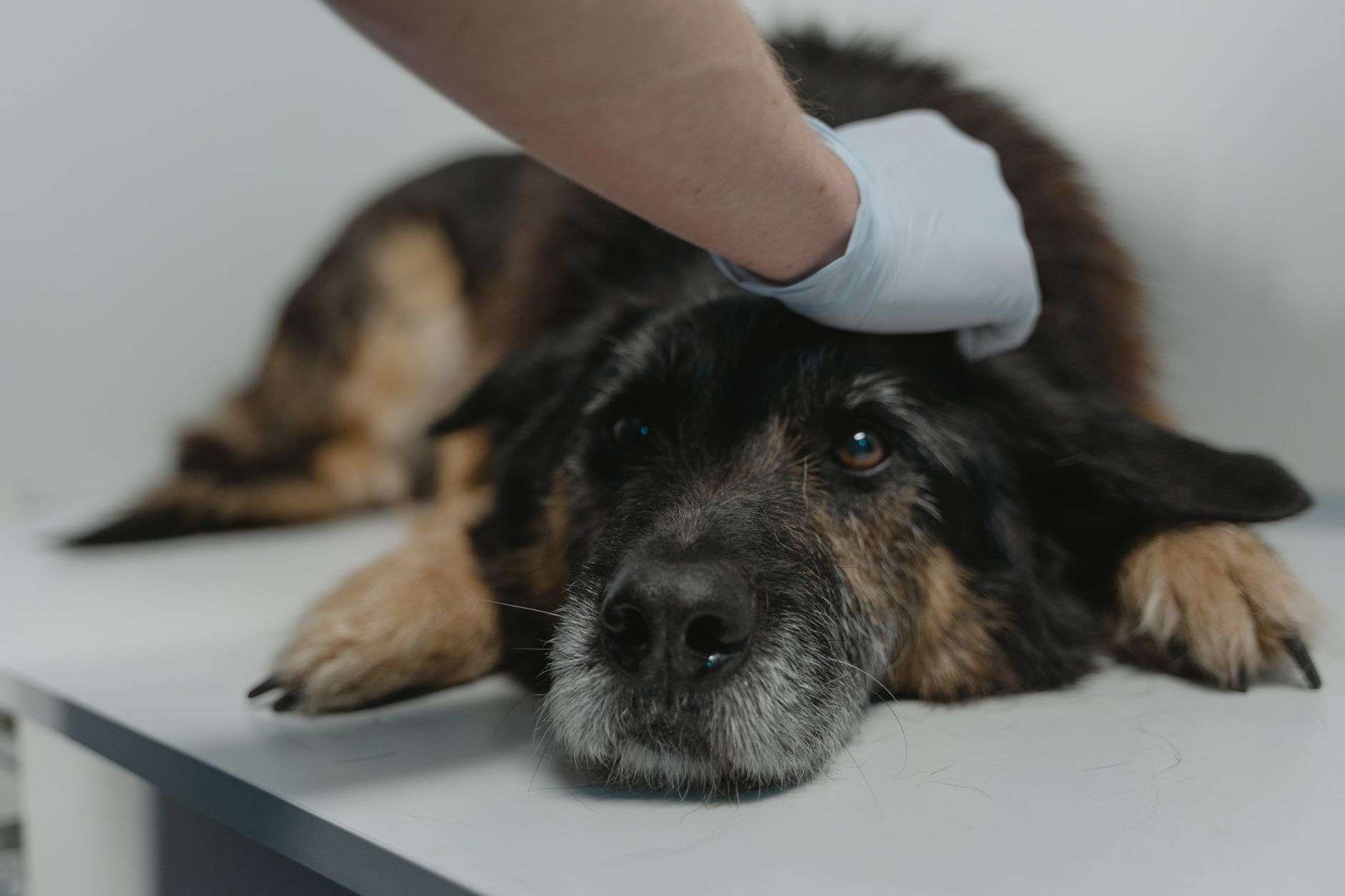
A wagging tail can accomplish things that medicine alone sometimes cannot. That belief is at the heart of Therapy Dogs of South Alabama, a nonprofit therapy dog program that launched in late 2022 to serve Mobile and Baldwin counties with what its founders call canine compassion. From its first weeks, the organization moved quickly: seven registered Therapy Dog Teams were already visiting Mobile Infirmary in Mobile, and three more teams were registered to visit Thomas Hospital facilities in Fairhope and Daphne.
The group’s early momentum reflects a demand that far outstrips the number of trained volunteers. Hospitals, nursing homes, schools and many other settings have asked for visits, and the organization’s leaders made recruiting and certifying new teams their top priority from the start.
What a Therapy Dog Team Does
A Therapy Dog Team is a pairing of a volunteer handler and his or her own dog, trained and evaluated together to make visits in settings where people may be sick, stressed, lonely or recovering. The dog provides comfort; the handler reads the room, manages the visit and makes sure every interaction is safe and positive for both the person and the animal.
The reach of a single team can be remarkable. According to the organization, one team can visit up to 30 patients during a single hospital trip, see 40 or more students during a school visit, or spend time with a comparable number of nursing home residents. Therapy teams also do meaningful work in hospice care, children’s services and rehabilitation centers, where a calm, friendly dog can ease anxiety and open the door to conversation.
Handlers regularly describe moments that stay with them long after a visit: patients who become more alert or responsive, people who begin speaking after long silences, and individuals who had withdrawn from family becoming more engaged. The organization says its teams are consistently in awe of the power of these canine connections.
The two hospital systems where the first teams began visiting are among the most familiar names in coastal Alabama health care. Mobile Infirmary, which opened in 1910, is one of the largest nonprofit hospitals in the state and the flagship of Infirmary Health. Thomas Hospital in Fairhope, also part of the Infirmary Health system, serves the fast-growing Eastern Shore, with additional facilities in Daphne. Between them, they see a steady stream of patients who can benefit from a friendly visitor with four legs.
What a Visit Typically Looks Like
Therapy dog visits follow careful routines designed to protect patients, staff and the dogs themselves. While each facility sets its own rules, visits at hospitals and care centers commonly share several features. Dogs are bathed and groomed beforehand, and handlers check in with staff to learn which patients or residents would welcome a visit and which should not be approached. People are asked before the dog comes near, and hand sanitizer is usually offered before and after petting. Visits are often kept short so the dog stays relaxed and attentive, and handlers watch closely for signs that their dog needs a break.
Those routines are part of what separates a certified therapy team from a well-meaning pet owner. The training and evaluation process is meant to ensure that every visit is predictable, clean and calm, which is exactly what fragile patients and busy medical staff need.
What the Research Suggests
Therapy dog organizations operate throughout the United States, and their work is supported by a growing body of research into animal-assisted interventions. Studies in hospital settings have looked at how brief visits with trained dogs can reduce patients’ reported anxiety and stress, and some research has measured changes in physical indicators such as blood pressure. Therapy Dogs of South Alabama points to findings that patients may show improvements in blood pressure and in their tolerance for treatment after visits.
In schools, researchers and educators have explored how dogs can support reading programs, reduce anxiety and encourage participation. The organization notes that students who spend time with trained dogs can show behavioral changes, greater motivation and improvements in grades. Many universities across the country also bring therapy dogs to campus during exam weeks, reflecting a broad recognition that a few minutes with a friendly animal can help people relax and refocus.
The group emphasizes that comfort is only part of the benefit. The visits can also improve mood, encourage social interaction and give people something to look forward to, particularly in settings where days can feel long and isolating.
The People Behind the Program
Therapy Dogs of South Alabama launched with an experienced leadership team. TK Jackson III serves as president of the board of directors, Casey Brock as treasurer and Frances McGowin as secretary. “We look forward to building a dynamic Board dedicated to expanding our work,” Jackson said.
Beth Roberts, the executive director, previously served as executive director of Therapy Partners in Huntsville before moving to Fairhope. McGowin, who is also assisting with development, founded and led a therapy dog program and later a service dog organization. Together, the organization says, they bring decades of experience to the people of Mobile and Baldwin counties.
Therapy Dogs in the Professions
Beyond volunteer visits, Therapy Dogs of South Alabama also helps professionals who want to incorporate a therapy dog into their work. These handlers may be therapists, teachers, school administrators, social workers, first responders or nurses, all fields where a trained dog can help build trust and reduce stress.
Brock is a living example. She is an occupational therapist, a faculty member at the University of South Alabama and a volunteer, and she does all three with her therapy dog, Kate. “Integrating Kate into the curriculum for occupational therapy has so many advantages. Aside from relieving any student anxieties, Kate teaches them how to work with their clients in their occupational therapy practice after they graduate,” Brock said. “It’s a win-win situation.”
Occupational therapy focuses on helping people participate in the everyday activities that matter to them, from self-care to work to play. Animals can be a powerful motivator in that setting, encouraging movement, communication and engagement, which is why a growing number of therapy programs have explored animal-assisted approaches.
Therapy Dogs Are Not Service Dogs
One distinction the organization stresses is that a registered therapy dog is not a service dog and cannot be used as one. The difference matters, both legally and practically.
- Service dogs are individually trained to perform specific tasks for a person with a disability, such as guiding someone who is blind or alerting a person to an oncoming medical episode. Under the Americans with Disabilities Act, they are generally allowed to accompany their handlers in public places.
- Therapy dogs provide comfort and affection to many different people, typically in facilities such as hospitals, schools and nursing homes. They visit by invitation and do not have the same public access rights as service dogs.
- Emotional support animals are a separate category again, providing comfort to their own owners, and are not the same as either service or therapy dogs.
Keeping those categories clear protects people with disabilities who rely on service dogs and helps facilities understand what to expect when a therapy team arrives.
How Dogs Qualify
Not every friendly dog is suited to therapy work. Dogs must meet temperament and behavior requirements to qualify. In general, therapy dog evaluations look for dogs that are calm, confident and gentle, comfortable being touched by strangers, unfazed by unfamiliar sounds, smells and equipment such as wheelchairs, and reliably responsive to their handler. The handler is evaluated too, since managing a visit safely is a team effort.
To make the process more accessible, Therapy Dogs of South Alabama offers free training pop-ups for anyone interested in pursuing certification. These sessions help prospective handlers understand what evaluators look for and how to prepare their dogs.
How to Get Involved
With demand for visits high across the region, the organization’s biggest need is more certified teams. For residents of Mobile and Baldwin counties who are wondering whether they and their dog might be a fit, a few things are worth considering:
- Temperament comes first. Dogs that are relaxed around new people, other animals and busy environments tend to do best.
- Basic obedience is essential. Reliable responses to common commands are a foundation for therapy work.
- Handlers commit time. Regular visits to hospitals, schools or care facilities are what make the program work.
- Training help is available. The organization’s free pop-up sessions are designed to guide newcomers through the certification process.
- Professionals are welcome. Teachers, therapists, nurses and first responders can seek guidance on bringing a therapy dog into their work.
Mobile and Baldwin counties have a long tradition of volunteerism, and therapy dog work is one of the most direct ways to bring comfort to neighbors at their most vulnerable moments. For patients waiting in hospital rooms, students facing a hard day and seniors who miss the pets they once had, a visit from a trained dog and a caring handler can make a real difference.