

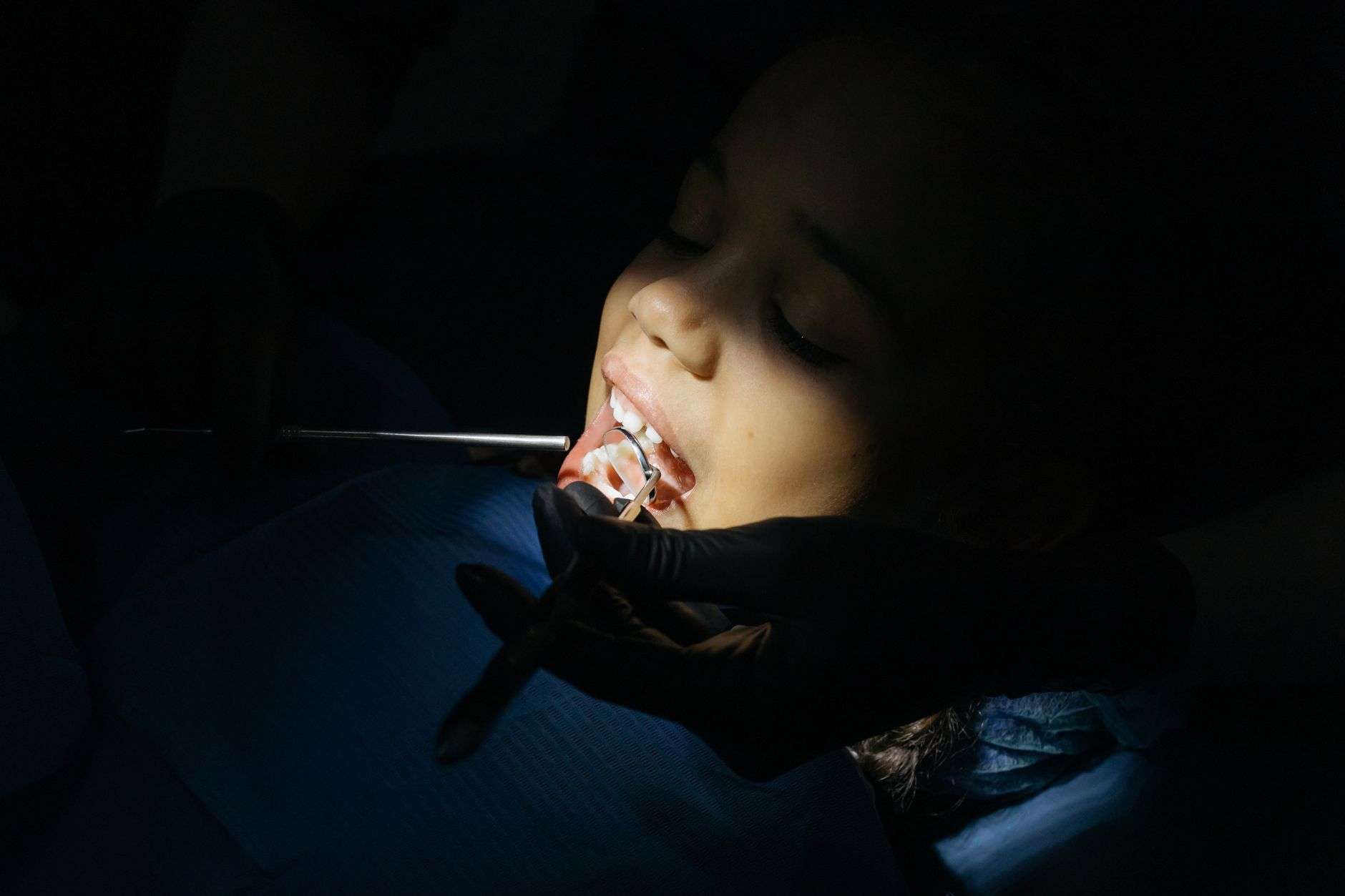
MOBILE, Ala. — Mobile’s Family Health is the only community health center in Alabama selected for a new federal initiative aimed at making it easier for children with autism, Down syndrome, cerebral palsy and other neurodevelopmental disorders to get the dental care they need.
The U.S. Department of Health and Human Services, through the Health Resources and Services Administration, or HRSA, announced $51 million in awards to 28 HRSA-funded health centers nationwide to improve access to dental care for children with neurodevelopmental disorders. Each of the 28 recipients will receive up to $2 million to develop, carry out and evaluate new approaches to meeting those children’s oral health needs.
‘Thrilled to have been awarded this funding’
Kelly Warren, executive director of Family Health, said the organization is eager to put the funding to work.
“Family Health is thrilled to have been awarded this funding and is eager to use it to enhance our delivery of dental services to children with neurodevelopmental disorders,” Warren said. “This award is just another way the health center continues to live out our mission to provide high quality, culturally diverse primary care, preventive health services, dental care and social services to all those in need regardless of ability to pay.”
Why dental visits can be harder for some children
For many families, a routine dental cleaning is a simple appointment. For children with neurodevelopmental disorders, it can be far more difficult.
Some children with conditions such as autism spectrum disorder, Down syndrome, cerebral palsy and intellectual disabilities may experience sensory sensitivities, anxiety, mobility challenges or other factors that make routine dental visits harder. The bright lights, unfamiliar sounds, textures and close contact involved in a dental exam can be overwhelming. Some children may have difficulty sitting still in a dental chair or communicating discomfort.
At the same time, these children can face an increased risk of oral health problems, including tooth decay and gum disease. That combination — higher risk and greater difficulty getting care — makes access to routine preventive dental care especially important.
Parents of children with special health care needs often report difficulty finding dental providers who are equipped and trained to care for their children, and some families travel long distances or wait months for appointments. Untreated dental problems can lead to pain, infection and missed school, and in some cases children end up needing treatment under general anesthesia.
A new quality improvement fund
The funding comes through HRSA’s new Quality Improvement Fund – Improving Access to Dental Services for Children with Neurodevelopmental Disorders, known as QIF-DNDD. The investment is designed to help health centers build on evidence-based models and test innovative approaches to improving dental care for these children.
According to HRSA, the funding will:
- Support expanded and tailored preventive and other dental services
- Strengthen the health center workforce
- Identify promising approaches that can be replicated in other communities
Award recipients will also take part in collaborative learning and evaluation activities, sharing what they learn so that HRSA and health centers can identify patient-centered, sustainable approaches that work.
HHS Secretary Robert F. Kennedy Jr. said the goal is to remove barriers and give families more options close to home.
“Children with neurodevelopmental disorders should not struggle to get the dental care they need,” Kennedy said. “We are investing $51 million in HRSA-funded health centers to remove barriers to care, equip providers to better serve these children, and give families more options close to home. We will identify the approaches that work, scale them across the country, and ensure more children can get the preventive care they need to live healthy lives.”
Why health centers are well positioned
HRSA says community health centers are well positioned to address these challenges because they integrate oral health with comprehensive primary care. Health centers can also connect families with support services such as care coordination, transportation, outreach and education, which can be especially valuable for families of children with complex needs.
Health centers provide care to patients regardless of their ability to pay. Nationwide, HRSA-funded health centers provide comprehensive primary care to more than 32.7 million people at more than 16,600 service sites, including one in eight children and one in five rural residents.
The awards build on HRSA’s ongoing work to strengthen oral health as part of comprehensive primary care through its Health Center Program.
Nearly five decades of care in Mobile County
Since its founding in 1979, Family Health has served the uninsured, underinsured, insured and medically underserved populations of Mobile County. The organization operates as the clinical arm of the Mobile County Health Department.
Family Health’s services include:
- Primary care
- Dental care
- Behavioral health
- HIV early intervention services
- Nutrition services
- 340B pharmacy
- Social services
- X-ray and laboratory services
- Interpretation services
- Family planning
The network’s main site is the Downtown Health Center at 251 N. Bayou St. in Mobile, and Family Health operates locations across the region. Earlier this month, the head of the National Association of Community Health Centers, Dr. Kyu Rhee, toured Family Health’s Downtown Health Center and met with staff, patients and members of its governing council.
What families can expect
Family Health has not yet released details about the specific programs it will develop with the new funding. Under the HRSA initiative, recipients are expected to implement and evaluate innovative, evidence-informed approaches tailored to the needs of children with neurodevelopmental disorders in their communities.
Approaches that dental programs commonly use to help children with special needs include longer appointment times, desensitization visits that let a child become familiar with the office before treatment, quieter and less stimulating exam spaces, specialized staff training and closer coordination with a child’s medical providers. Details of Family Health’s program will be announced by the health center.
Families in Mobile County who are interested in dental services for their children can contact Family Health for information about appointments and eligibility. As a community health center, Family Health serves patients regardless of insurance status or ability to pay.