

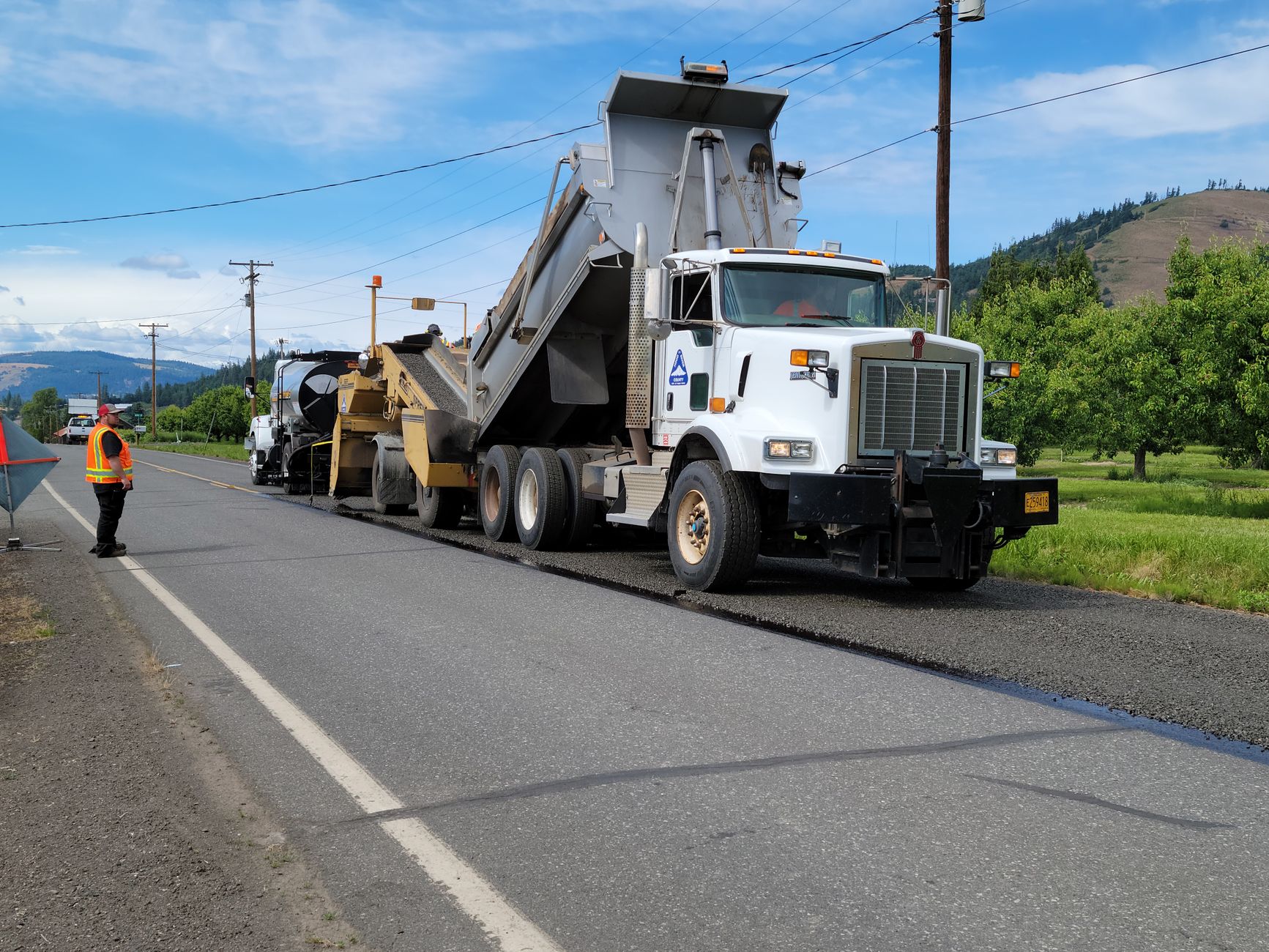
Foley will pave more of its streets than first planned this coming year. The Foley road resurfacing program has grown to 6.3 miles after the Foley City Council approved an updated plan that adds more than a mile and a half of West Park Avenue to the list of streets set for new asphalt. Work is scheduled to begin in October.
The added stretch covers 1.54 miles of West Park Avenue between South Hickory Street and South Pine Street. It joins streets that were already on the city’s list, including sections of Lakeview Drive and West Peachtree Avenue. Asphalt Services turned in the lowest of six bids for the job, at roughly $1.08 million, and that figure includes the West Park Avenue work.
What the Council Approved
The plan the council adopted takes in these projects:
- West Park Avenue, from South Hickory Street to South Pine Street, a 1.54-mile addition to the original plan.
- Lakeview Drive, from Carnoustie Drive to Baldwin County 12.
- West Peachtree Avenue, from North Cedar Street to Alabama 59.
- An alley between West Orange Avenue and West Myrtle Avenue, running from South Pine Street to South Alston Street. It is listed as an alternate project.
With West Park Avenue included, the program comes to 6.3 miles in total. Six contractors bid on the work. The approximately $1.08 million low bid from Asphalt Services covers the expanded scope.
The alley is listed as an alternate, which is common in public paving contracts. An alternate is priced as part of the bid, but it sits apart from the base work, so a city can add it if the budget allows or leave it out without rebidding the whole contract. That way officials know ahead of time what an optional piece of work would cost and can decide whether to include it.
Why Asphalt Prices Made the Difference
Mayor Ralph Hellmich said good pricing is what let the city add to its list.
“We had very good engineering estimates,” Hellmich said. “When the oil prices go up, that usually drives up asphalt, but this allowed us to plan for this and included everything.”
Asphalt pavement is mostly crushed stone, sand and gravel, held together by a sticky binder refined from crude oil. That binder makes up a small share of the mix by weight but a large share of the cost, so paving bids tend to follow the oil market. Rising crude prices usually push up the cost of liquid asphalt, and so does the fuel needed to run plants, haul material and operate equipment. When those costs stay moderate, a fixed paving budget covers more road.
That is why the engineering estimate matters. Before a city takes bids, its engineers estimate what the job should cost based on quantities, current material prices and recent bids elsewhere. If bids come in close to or under that estimate, the city knows how much room it has. In Foley’s case, officials said the estimates were accurate enough for the city to plan for the extra West Park Avenue mileage and still keep the full list of projects in one contract.
How a City Resurfacing Project Comes Together
Resurfacing looks simple from the driver’s seat, with a crew showing up and leaving a new road behind. The planning starts long before that. Most Alabama cities go through a similar sequence:
- Assessing the streets. Public works staff and engineers check pavement condition, looking for cracking, rutting, potholes, failing patches and drainage trouble. Streets are ranked by condition, traffic volume and how far they have fallen behind.
- Building the list. Staff turn those rankings into a proposed project list and a budget, usually tied to the city’s fiscal year. Foley adopted its fiscal year 2027 budget in September.
- Estimating and bidding. Engineers prepare plans, quantities and a cost estimate. Alabama’s competitive bid law requires public works contracts above a set dollar threshold to be advertised and bid, and the work generally goes to the lowest responsible bidder.
- Council action. The city council, as the governing body, approves the plan and the contract award in a public meeting. The council can also change the scope, as Foley’s did in adding West Park Avenue.
- Construction. The contractor schedules crews and materials, and residents get notice of when work will reach their streets.
Resurfacing is different from full reconstruction. When a road’s base is still sound, crews usually mill off the worn top layer, fix any weak spots and put down a fresh layer of asphalt. That costs far less than rebuilding a road from the ground up, and it can add years to a street’s life. Cities that resurface on a regular cycle try to catch streets before they deteriorate to the point where the more expensive fix is the only option.
Pavement wears out in fairly predictable ways. Sunlight and oxygen slowly harden the binder and make the surface brittle. Water gets into small cracks, softens the base underneath and speeds up the damage, which is a real concern on the Gulf Coast with its heavy rainfall. Heavy trucks do far more damage per trip than passenger cars. A street that starts with hairline cracks can develop potholes and failed patches within a few years if nobody treats it. Timely resurfacing seals the surface and resets that clock.
A Growing City With More Miles to Maintain
Foley is in southern Baldwin County, a few miles north of Gulf Shores and Orange Beach. It grew up around the railroad in the early twentieth century. Chicago businessman John B. Foley, whose name the town carries, helped develop the area, and the city incorporated in 1915. For decades it was a farm town known for potatoes, soybeans and other crops grown in the flat, fertile ground of south Baldwin County.
Today Foley is one of the fastest-growing cities in Alabama, as is Baldwin County as a whole. Its location on the main routes to the beaches has turned it into a retail and tourism center. The city is home to the OWA Parks & Resort entertainment district, a large outlet shopping center and the Foley Sports Tourism Complex, which draws youth and amateur tournaments from around the region. New neighborhoods have gone up on former farmland on every side of town.
That growth brings more cars, and more cars mean more wear on local streets. It also means more lane miles to maintain. Every new subdivision a city accepts adds pavement that will need attention eventually. Regular resurfacing is one of the less visible jobs that decides how well a city holds up as it grows.
Alabama 59, the east end of the West Peachtree Avenue project, is the main north-south highway through Foley and the principal route to Gulf Shores. The state maintains Alabama 59 itself, but city streets that connect to it carry a lot of local traffic from people trying to reach it or avoid it.
What Drivers and Residents Should Know
With work set to begin in October, people who live or drive on the affected streets can expect some short-term disruption. Exact schedules and traffic plans for each street will depend on the contractor. In general, resurfacing work tends to involve:
- Lane restrictions and flaggers. Crews often keep one lane open and use flaggers or temporary signals to alternate traffic, so expect short delays.
- Milling before paving. Streets may be milled a few days before new asphalt goes down, leaving a rough, grooved surface for a short time. Manhole covers and utility valves can sit slightly higher than the milled surface until paving is done.
- Parking and driveway access. Residents may be asked to keep cars off the street on paving days, and driveway access can be briefly blocked while the paver passes.
- Fresh striping to follow. Permanent pavement markings usually go down after the asphalt cures, so temporary markings may be in place for a while.
- Weather delays. Asphalt cannot be laid in heavy rain, and wet weather can push schedules back.
Drivers should slow down in work zones, follow flaggers’ directions and watch for workers and equipment. Alabama law carries higher fines for speeding in marked construction zones when workers are present.
Keeping Up With City Projects
Residents who want the latest schedule for a particular street can contact the City of Foley or watch the city’s official announcements. Council meetings are open to the public, and agendas for upcoming meetings are posted ahead of time for anyone following how the city spends money on infrastructure. Potholes, sunken patches and drainage problems on city streets can be reported to the city’s public works department. Those reports help staff decide which streets go on future resurfacing lists.
The expanded plan means drivers on West Park Avenue, Lakeview Drive and West Peachtree Avenue will see new pavement once crews finish. It also shows how much a paving program can depend on things a city does not control. Moderate asphalt prices and accurate estimates let Foley get more than 6 miles of street work out of one contract. When oil prices rise, the same budget covers less.