

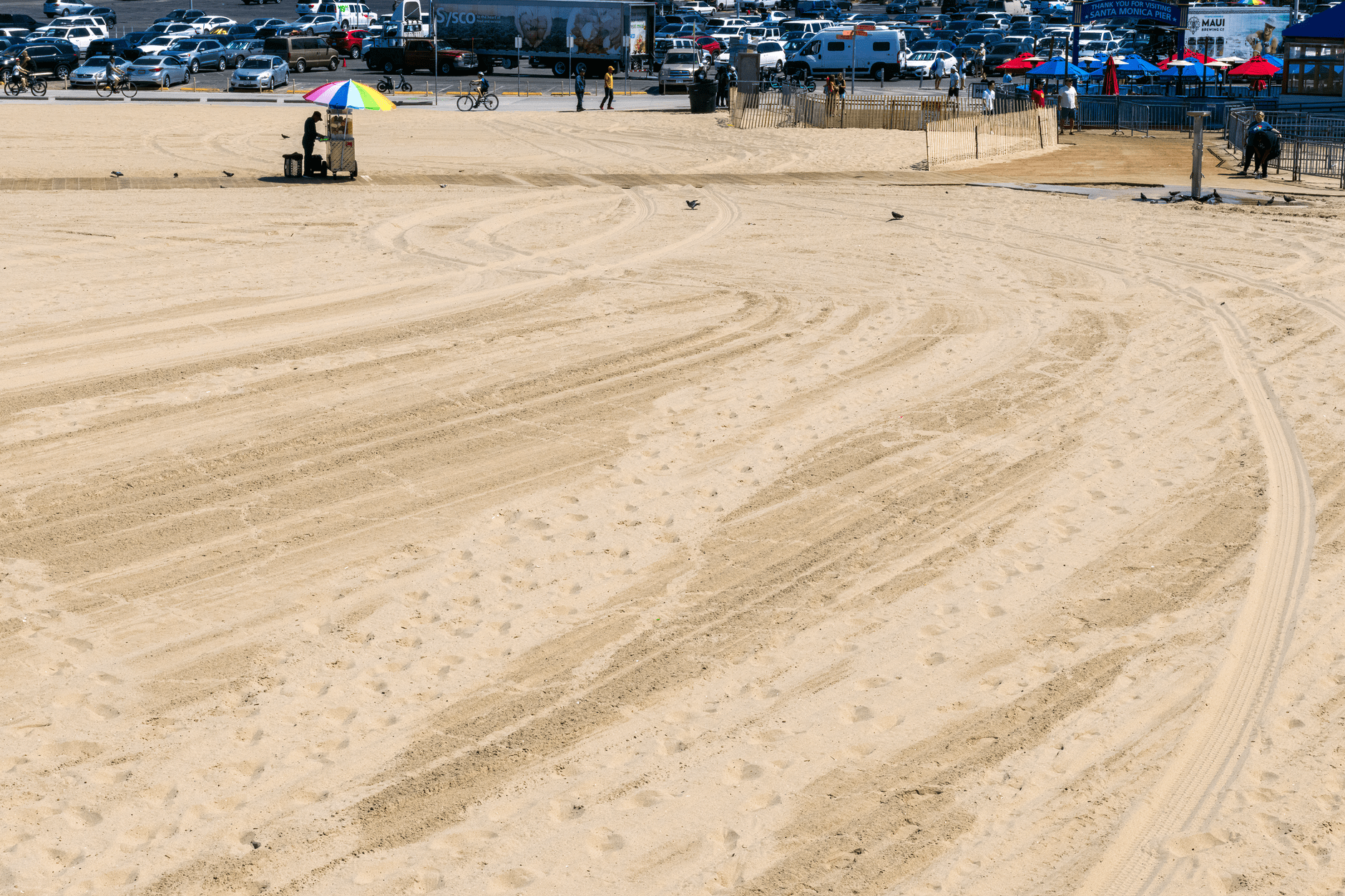
Gulf Shores has temporarily closed one of its public parking areas while crews work to clear sand deposited by Tropical Storm Bertha, the city announced. According to a post from the City of Gulf Shores, Main Gulf Place, located at the end of Alabama Highway 59 near the beachfront, is closed to vehicular traffic. The city said the closure is expected to remain in place until Friday as Public Works crews clear sand that was pushed into the lot during the storm.
Main Gulf Place sits at one of the busiest access points along the Gulf Shores waterfront, where Highway 59 meets the beach at the heart of the city’s public beach access areas. While the lot is closed to cars, pedestrians are still able to reach the beach on foot through the area, though the city is urging caution given the ongoing cleanup work and equipment in the area. The lot handles some of the heaviest beach traffic on the Alabama coast on summer weekends, and its temporary loss sends drivers to other public access points along the waterfront.
The closure is one of several lingering effects felt along the Alabama coast after Tropical Storm Bertha moved through the northern Gulf of Mexico earlier in the week. The storm brought rough surf, storm surge and gusty winds to Baldwin County beaches even as its heaviest wind and rain stayed offshore, prompting beach closures, a fishing pier shutdown and rip current warnings up and down the coast. Storms of Bertha’s size are a regular part of Gulf summers, but even glancing blows leave their mark on a beach town’s infrastructure.
Sand displacement of the kind now being cleared from Main Gulf Place is a common aftereffect of tropical systems along the Gulf Coast, where wind-driven surf and storm surge routinely push sand off the beach and onto nearby roadways and parking areas. Storm surge is not simply water: it carries sand, debris and seawater inland, and when the surge retreats it leaves those materials behind. For a city whose economy runs through its beach access points, clearing that sand is among the first and most visible cleanup tasks after any named storm.
For Public Works crews, the job involves more than sweeping a parking lot. Sand deposited by surge can bury curbs, storm drains, landscaping and signage, and heavy equipment must move carefully around dune vegetation that the city works to protect. The work also proceeds on a clock, because a closed access point during peak beach season means lost parking, longer walks for visitors and pressure on neighboring lots until the sand is cleared and the area can be reopened to vehicles.
West Gulf Place joins the closure list
Update: The city later confirmed that in addition to Main Gulf Place, West Gulf Place was also temporarily closed the morning of July 23 as Public Works crews cleared storm-driven sand from the area. City officials said Bertha ultimately caused no significant damage to Gulf Place, and the area reopened fully to the public on July 24. The quick turnaround meant that the disruption to beach access, while real, lasted only a matter of days from the first closures to the full reopening.
The dual closures illustrated how one storm can affect multiple access points at once. Gulf Place, the city’s beachfront public area near the Highway 59 beach terminus, draws visitors from across the region, and when its parking areas close, traffic shifts to other lots along State Highway 182 and the surrounding streets. City crews prioritized the reopening so that weekend beach traffic, the lifeblood of the local tourism economy, would find the usual access points back in service.
Bertha’s effects extended beyond parking lots. The rough surf and rip current warnings that accompanied the storm forced beach closures and halted fishing pier activity, reminders of the danger that tropical systems pose even when they stay well offshore. Rip currents, which form as storm-driven water pushes back out through channels in the sandbar, are the leading weather-related killer along the northern Gulf Coast, and flags and warnings posted during and after a storm are intended to keep swimmers out of the water until conditions settle.
The city’s storm-readiness message
City officials are using the storm as a reminder for residents to keep their properties storm-ready ahead of future systems. Recommended steps include securing loose items around the home, trimming weak tree limbs, checking that shutters or plywood panels are ready to install, clearing gutters and drainage paths, and reporting blocked city drainage areas to Public Works at 251-968-1156. The city also encourages residents to make sure they have hurricane re-entry decals on hand ahead of any future evacuation.
Each of those steps addresses a familiar failure point in Gulf Coast storms. Loose yard furniture, grills and debris become windborne projectiles in even modest tropical systems. Weak limbs and untrimmed trees account for a large share of power outages and property damage in coastal Alabama. Clogged gutters and blocked drainage paths turn heavy rain into standing water, and re-entry decals are the credential Baldwin County municipalities rely on to move residents back into beach areas quickly after an evacuation order is lifted.
The economics of those precautions are substantial for a beach city. Gulf Shores’ summer economy depends on predictable beach access, and every closed parking area or posted flag day ripples through condo rentals, restaurants and shops that serve visitors along Highway 59 and the beachfront. Local officials have long balanced that commercial reality against safety, and the post-storm drill, clearing sand quickly, reopening access points and publicizing conditions, is designed to shorten any disruption to the shortest possible window. Bertha’s brief closures and rapid reopening fit squarely within that pattern, and the city’s messaging after the storm emphasized both the speed of recovery and the work that made it possible.
Hurricane season along the Alabama coast runs through November, and Gulf Shores officials have long treated every named storm, however minor, as a rehearsal. The city’s barrier-island geography means that a single highway, Highway 59, carries most of the evacuation traffic off the island, and re-entry after an evacuation is managed with decals and checkpoints to keep non-residents out while damaged areas are secured. Preparations made before a storm, from plywood to drainage maintenance, are the reason a system like Bertha can pass with cleanup rather than crisis.
Bertha’s arrival also came during an especially busy stretch of the Atlantic season, when coastal communities across the northern Gulf were tracking multiple systems in quick succession. Forecasters watched each disturbance for signs of strengthening over the warm Gulf waters, and Baldwin County’s emergency management partners issued warnings and advisories as bands of weather moved ashore. Even when a storm’s center stays offshore, its surf reaches the beach first, which is why the beach closures and pier shutdowns began before the storm’s closest approach.
What Bertha left behind
In the end, the damage picture in Gulf Shores was about what officials hoped for after a named storm: sand where it did not belong, rough water for a few days, and no significant structural damage to the city’s principal beachfront public area. City officials thanked residents for their patience during the cleanup and credited the Public Works team for the quick turnaround, noting that, most importantly, the community came through the storm safely.
That closing note of thanks has become standard language in Gulf Shores after every passing system, and it reflects a municipal culture shaped by decades of Gulf storms. Residents who secure their properties, keep decals current and clear their drainage reduce the workload that falls on city crews, and crews who move quickly restore the access points on which the town’s summer depends. Bertha required both halves of that bargain, and the city’s account of the cleanup presented it as exactly that: a shared routine executed without injuries or significant damage.
The city’s handling of the event offers a window into how beach towns along the Alabama coast manage the routine storms of a long hurricane season. Crews monitored the beach as the storm passed, closed access points as sand accumulated, deployed heavy equipment as soon as conditions allowed, and communicated each step to the public through city channels. For residents and business owners, the sequence has become a familiar drill: watch the flags and forecasts, expect closures at low-lying access points, and plan around the reopening schedule Public Works announces.
For visitors, the episode was a reminder that Gulf Coast beaches are working infrastructure, not just scenery. The sand that draws tourists to Gulf Shores is constantly moved by wind and water, and maintaining the access points, dunes and roads that make the beach usable is a year-round municipal job that storms interrupt at unpredictable intervals. The same forces that build the beaches can bury a parking lot in a single high tide, which is why every tropical system, even a weak one, gets the city’s full attention.
Gulf Shores officials said the reopened Gulf Place areas would be monitored as the season continues, and the city’s storm-prep reminders stand for whatever the remainder of the hurricane season brings. Residents with questions about drainage problems, re-entry decals or storm preparation can reach the city’s Public Works department directly, and officials have encouraged the community to treat the post-Bertha cleanup not as an isolated task but as part of the ordinary rhythm of living on Alabama’s barrier-island coast.