

Cedar Point Pier reopened to the public at noon Thursday after Mobile County shut it down a day earlier as Tropical Storm Bertha moved through the region, officials said. The county closed the popular fishing and recreation spot on the western shore of Mobile Bay on Wednesday, July 22, according to a media alert issued shortly before 9 a.m. At the time, officials said the pier would stay shut down until weather conditions improved enough to reopen it safely, without giving a specific timeline.
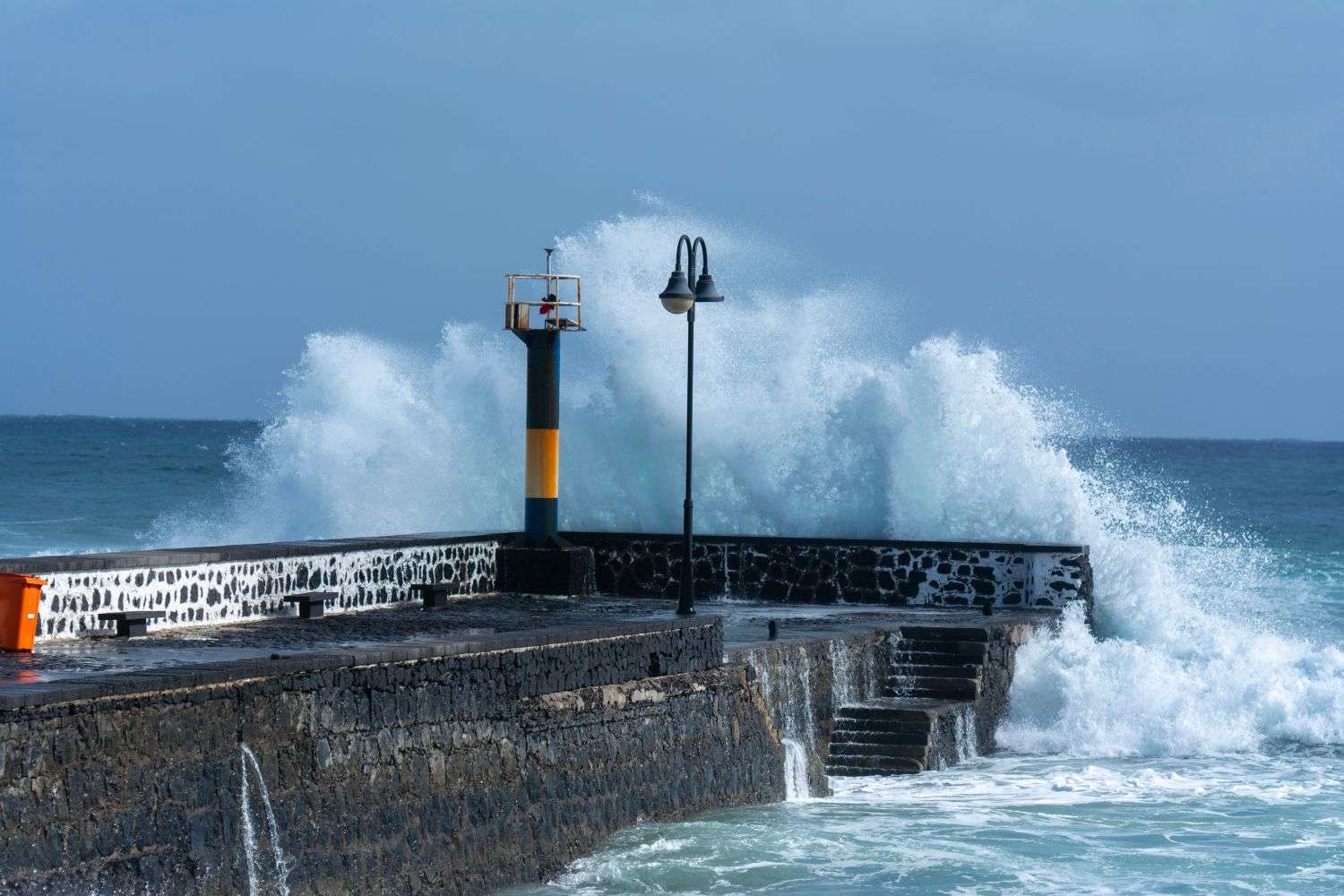
The closure was one of several precautions taken as Bertha brought gusty winds, rough surf and rain to the South Alabama coast. For a structure that sits exposed to open water on the bay’s western shore, the decision to bar public access during tropical weather follows a pattern that coastal residents know well. When wind and wave action pick up during a tropical system, waves can wash across the pier’s low deck, making the walkway slick and dangerous and sending spray and debris onto anyone who lingers.
A Longtime Gathering Spot Near Coden
Cedar Point Pier, a longtime gathering spot for anglers and visitors near Coden, occupies one of the most exposed positions along the Mobile Bay shoreline. The pier extends out into the bay from the Cedar Point community in southern Mobile County, an area where the bay widens toward its connection with the Gulf of Mexico. That geography makes it a favorite of fishermen chasing speckled trout, flounder, redfish and white trout, but it also means there is little to shelter the structure when storms push water and wind directly against it.
Generations of Mobile-area families have made the pier part of their routine, from early-morning fishing trips to evening walks along the rail. The pier is also a frequent stop for visitors heading to or from Dauphin Island, which lies just to the south across the bay’s entrance. Because of its popularity, closures during bad weather tend to draw attention quickly, and the county has learned that advance notice through media alerts and social media is the most reliable way to keep people off the structure until it is safe.
Mobile County had said it would notify media outlets and post updates to its social media accounts once the pier was cleared to reopen, adding that the decision would depend on how quickly conditions along the coast settled down. That commitment to timely updates reflects the county’s approach to managing its waterfront assets during hurricane season, when closures can come with little warning and reopening decisions hinge on conditions that change hour by hour.
Conditions improved enough by Thursday for the county to lift the closure, and Cedar Point Pier reopened at noon. Anglers who had been watching the forecasts were able to return to the rail within roughly a day of the shutdown, a relatively quick turnaround by the standards of coastal storm closures. In many cases, piers and boat ramps along the bay can remain off-limits for longer stretches when debris, damaged decking or lingering rough water keep crews from clearing them for public use.
The reopening closes out a string of storm-related adjustments across South Alabama this week as Bertha tracked through the northern Gulf, prompting warnings for rip currents, heavy surf and localized flooding along the coastline. Beachgoers and boaters were advised to stay out of the water while the system passed, and low-lying areas along the coast braced for the kind of street flooding that often accompanies tropical systems even when they make landfall well away from the immediate area.
Why Coastal Piers Close During Tropical Weather
For newcomers to the Gulf Coast, the practice of closing piers before a storm has fully arrived can seem like an overabundance of caution. Experienced residents understand the reasoning. A pier is essentially a narrow, elevated walkway over open water, with railings, cleats, benches and light fixtures that offer no protection from wind-driven waves. When sustained winds reach tropical-storm force on Mobile Bay, the shallow bay’s water piles up quickly, and waves that would be unremarkable offshore can sweep completely over a pier deck.
The dangers are not limited to the water itself. Loose fishing gear, coolers and debris become projectiles in strong wind. Power to pier lighting and fish-cleaning stations may be cut preemptively. And in the worst cases, the structural components of the pier itself can shift or fail under repeated wave impact. Closing the pier keeps the public away from those hazards while also freeing county crews to assess the structure and begin cleanup as soon as conditions allow.
Mobile County’s management of Cedar Point Pier fits into a broader pattern along the northern Gulf Coast, where local governments own or operate public piers, boat ramps and beach access points that must be monitored through a hurricane season that runs from June through November. Each closure requires a decision to close, public notification, monitoring of conditions, an assessment of the structure once the weather passes, and a second round of notification when the site is safe again. The county’s use of media alerts and social media posts for each step has become the standard method for communicating with a public that checks those channels before heading to the water.
Tropical Storm Bertha’s passage through the northern Gulf also served as an early-season reminder of how quickly conditions can change along the Alabama coast. Even systems that remain below hurricane strength bring hazards that catch residents off guard: rip currents that persist for days after a storm has passed, surf that makes small-craft boating dangerous, and bands of heavy rain that flood low-lying roads in coastal communities. Local officials routinely emphasize that the period after a storm’s closest approach can be as hazardous as the storm itself, particularly for swimmers who venture back into the surf too soon.
The swift cycle of closure and reopening at Cedar Point Pier illustrated the practical side of that routine. A media alert Wednesday morning put the public on notice. A follow-up announcement Thursday afternoon told anglers they could return. No damage assessment beyond a routine check was reported, and the pier resumed its role as one of the most accessible fishing spots on the Mobile Bay shore, where a valid fishing license and a bucket of bait are all that stand between a visitor and a spot on the rail.
What the Reopening Means for Local Anglers
For the fishing community, the reopening arrived at a point in the summer when bay fishing is in full swing. Warm water species remain active, and the pier’s location near the bay’s southern end gives anglers access to fish moving with the tides between the bay and the Gulf. Regulars at the pier often describe it as one of the few places where shore-bound fishermen can reach deeper water without a boat, which is why closures of even a single day are felt throughout the local fishing network.
The pier also serves residents who come for reasons other than fishing. Walkers, photographers and families treating the pier as a waterfront destination all count among its regular users. The structure’s role as a public amenity is one reason Mobile County communicates so deliberately about its status: thousands of visits occur over the course of a summer, and each closure, however brief, disrupts plans that many people made days in advance.
As the week ended, the episode left behind the routine lessons that Gulf Coast residents carry into every hurricane season. Tropical systems do not need to be major hurricanes to disrupt daily life along the shore. County officials will close popular waterfront sites when conditions warrant, reopen them when the water settles, and spread the word through alerts and social media along the way. For Cedar Point Pier, the shutdown lasted roughly a day. For the anglers who returned at noon Thursday, the weather had cleared, the rail was open, and the summer fishing season continued largely as if Bertha had never passed through the northern Gulf.
The episode also underscored the value of the county’s notification system for boaters and pier regulars who plan their trips around official updates. Rather than guessing at conditions or driving to Coden to check in person, anglers were able to follow the closure and reopening through the same channels the county promised to use in its Wednesday alert. That predictability matters during a tropical weather event, when rumors about closures and reopenings spread quickly among fishing groups and online forums. Clear statements from the county cut through the noise, and the noon reopening on Thursday gave everyone the same answer at the same time: the rail was open, the water had calmed, and the summer season at one of Mobile Bay’s most popular piers was back underway.