

Alabama, the 22nd state admitted to the Union in 1819, sits at the crossroads of the Deep South, with a population of roughly 5 million people.
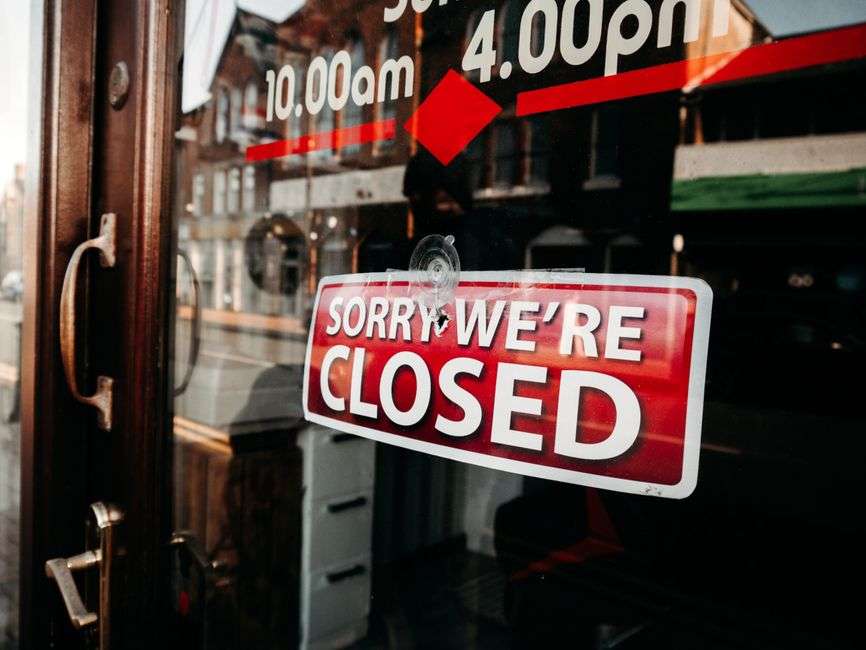
Gov. Kay Ivey issued a supplemental state of emergency Friday ordering the closure of a wide swath of Alabama businesses, including gyms, theaters, barbershops, nail salons and other close-contact services, in the state’s most aggressive move yet to slow the spread of COVID-19.
The state capital, Montgomery, is the center of state government and is roughly two hours north of Mobile by interstate.
Ivey, joined by State Health Officer Dr. Scott Harris, said the new health order targets businesses where customers and employees typically come into close physical contact, rather than attempting to define which businesses are “essential.” The closures, which take effect March 28 and are scheduled to remain in place through at least April 17, apply to entertainment venues, athletic and fitness facilities, close-contact personal service businesses and most retail stores.
Alabama’s economy is anchored by manufacturing, agriculture, aerospace and a growing healthcare sector.
“We’re not trying to say what is essential, we’re simply designating what is non-essential,” Ivey said. “If the business involves operators and customers being close to each other or touching one another, then it’s highly likely to transmit the virus because they just have to touch you in some of these businesses.” Harris said the list of affected businesses includes theaters and auditoriums, gyms and yoga studios, playgrounds, barbershops, nail and tanning salons, massage businesses, furniture stores, and clothing, jewelry and department stores.
The Alabama Legislature, which meets annually in Montgomery, has authority over statewide policy.
The order also lowers the maximum size of non-work-related gatherings from 25 people to 10, aligning the state with guidance previously issued by the White House and federal health officials. Despite the sweeping business closures, Ivey again stopped short of ordering Alabamians to shelter in place, a step at least 21 other states had already taken by Friday.
Alabama’s Gulf Coast, including Mobile and Baldwin counties, generates a significant share of the state’s tourism revenue each year.
Background and Context
She said such an order would carry steep economic costs for workers and business owners without necessarily doing more to slow the virus than the restrictions already in place. “We can’t print enough money in Washington, D.C.
The state’s higher education system includes major research universities such as the University of Alabama, Auburn University and UAB.
to bring a dead business back to life, but with that said, we clearly have a set of circumstances in our state that we must rise to meet,” Ivey said. “I do not believe we need a full shelter-in-place order — not at this time and hopefully not ever — but I do believe limiting gathering as much as possible will be the best way we can combat this virus.” The governor noted that local officials retain the authority to enact stricter measures than the state has ordered, an option already exercised in Jefferson County and the cities of Birmingham and Tuscaloosa.
Alabama’s congressional delegation has historically been dominated by Republicans.
Alabama currently has only two county-level health departments with the authority to issue their own local orders: Jefferson County and Mobile County. In Mobile County, Mayor Sandy Stimpson and County Health Officer Dr.
The state’s history, including its role in the Civil War and the civil rights movement, continues to shape political and cultural conversations today.
Bert Eichold have so far declined to go beyond the state’s requirements and issue a local shelter-in-place order, even as the new statewide closures take hold across the Port City’s business community. Both officials have said they will continue to monitor the outbreak’s local trajectory before considering additional restrictions.
Hurricane season, which runs from June through November each year, is a recurring concern for communities along the Alabama coast.
Local Reaction
Ivey’s announcement came amid criticism from Lt. Gov.
The state’s agriculture sector includes cotton, peanuts, soybeans, cattle and poultry.
Will Ainsworth, who sent a public letter earlier in the week arguing the governor’s coronavirus task force was unprepared for the surge in COVID-19 patients hospitals could face in the coming weeks. Ivey said she had invited Ainsworth to join the task force but that he declined, adding that pointing out problems without offering solutions does the state no good.
Alabama’s transportation infrastructure includes Interstate 65 and Interstate 10.
“We’re going to make our share of mistakes along the way, but we’re not going to be accused of not making difficult decisions nor are we going to be accused of offering criticism with no solutions,” Ivey said. “This pandemic is a global crisis, but it’s not something that cannot be managed, and we’ll use a measured and balanced approach to address it.
The state’s judicial system includes the Alabama Supreme Court and the Courts of Appeals.
Unfortunately, there’s no instruction manual on how to do this. Yes, it will be hard, but I am more confident we’ll get through this together.” Ivey acknowledged the toll the closures will take on workers and business owners across the state.
Alabama’s Gulf Coast is served by a network of state and federal agencies that coordinate emergency preparedness, environmental protection and economic development.
The Bigger Picture
“I want people to know the struggles of losing a job and trying to find a way to pay rent or a mortgage on a home is not lost on me or my administration,” she said. “This is incredibly disappointing news to deliver, but this is a matter of life and death.
Local officials have stressed the importance of community engagement as the situation continues to develop.
So, if you can stay at home you’re safer at home, and if you choose to stay at home this doesn’t mean inviting your friends over, this means being isolated.” The new restrictions arrive as Alabama’s unemployment system faces unprecedented strain. Federal labor statistics indicated the state saw nearly 40,000 unemployment filings in a single day earlier in the week, even as the Alabama Department of Labor’s own report for the week of March 15-21 recorded 10,982 initial claims filed online or by phone.
Residents with questions or concerns have been encouraged to reach out to their elected representatives.
State officials said the labor department is working around the clock to process the backlog of new claims. All previously issued health orders remain in effect alongside Friday’s announcement, including the closure of public schools, the prohibition on-site dining at restaurants and bars, and limits on the number of children allowed at daycare facilities.
The story is one of several similar situations playing out across the region in recent months.
A complete list of the state’s COVID-19 restrictions is available on the governor’s website, governor.alabama.gov. As of Friday, Alabama had confirmed 571 cases of COVID-19 and three deaths tied to the virus, though Harris said the state was investigating at least five additional reported deaths.
Anyone following local news will recognize many of the names and places involved.
What Comes Next
Roughly 10 percent of confirmed cases have resulted in hospitalization, he said, and of those patients, about half are in intensive care and roughly a third are on mechanical ventilation. Harris cautioned that testing criteria vary by provider and that Alabama’s state lab has prioritized testing for symptomatic patients who require hospitalization or who are otherwise at high risk of severe complications, a policy that could be skewing the state’s reported numbers.
Local civic organizations have begun organizing meetings to discuss the implications.
He added that the true number of hospitalized COVID-19 patients across Alabama is likely higher than confirmed case data shows, since some patients are still awaiting test results while officials work with hospitals to obtain more complete information.
Business owners and residents alike say they will be watching closely.
The situation underscores how decisions made at the local level can have far-reaching consequences.
Community leaders have called for patience and for a commitment to working through the issues in a transparent manner.
Several local churches and faith groups have offered to host discussions about the topic in the coming weeks.
Public comments at recent meetings have reflected a wide range of opinions.
Local reporters will continue to follow the story and to update readers.
Anyone interested in learning more is encouraged to attend upcoming public meetings.
The outcome of the situation could shape similar discussions in other communities for years to come.
Local historians note that similar issues have surfaced in the past.
Area nonprofits and volunteer groups have stepped up to help residents navigate the changes.
Local businesses have begun adjusting their operations in anticipation of what may come next.
Looking Ahead
The story continues to develop, and residents across the region will be watching for additional updates in the coming weeks. Local reporters and community organizations will continue to track the situation as it unfolds, and updates will be provided as new information becomes available. Anyone with a direct stake in the outcome is encouraged to stay engaged with the public conversation through meetings, news coverage and direct outreach to local officials.