Mobile Cat Rescue Scrambles to Replace Medicine After Refrigerator Failure
A volunteer-run Mobile cat rescue is seeking donations after an overnight refrigerator failure destroyed vaccines and antibiotics for more than 100 cats.
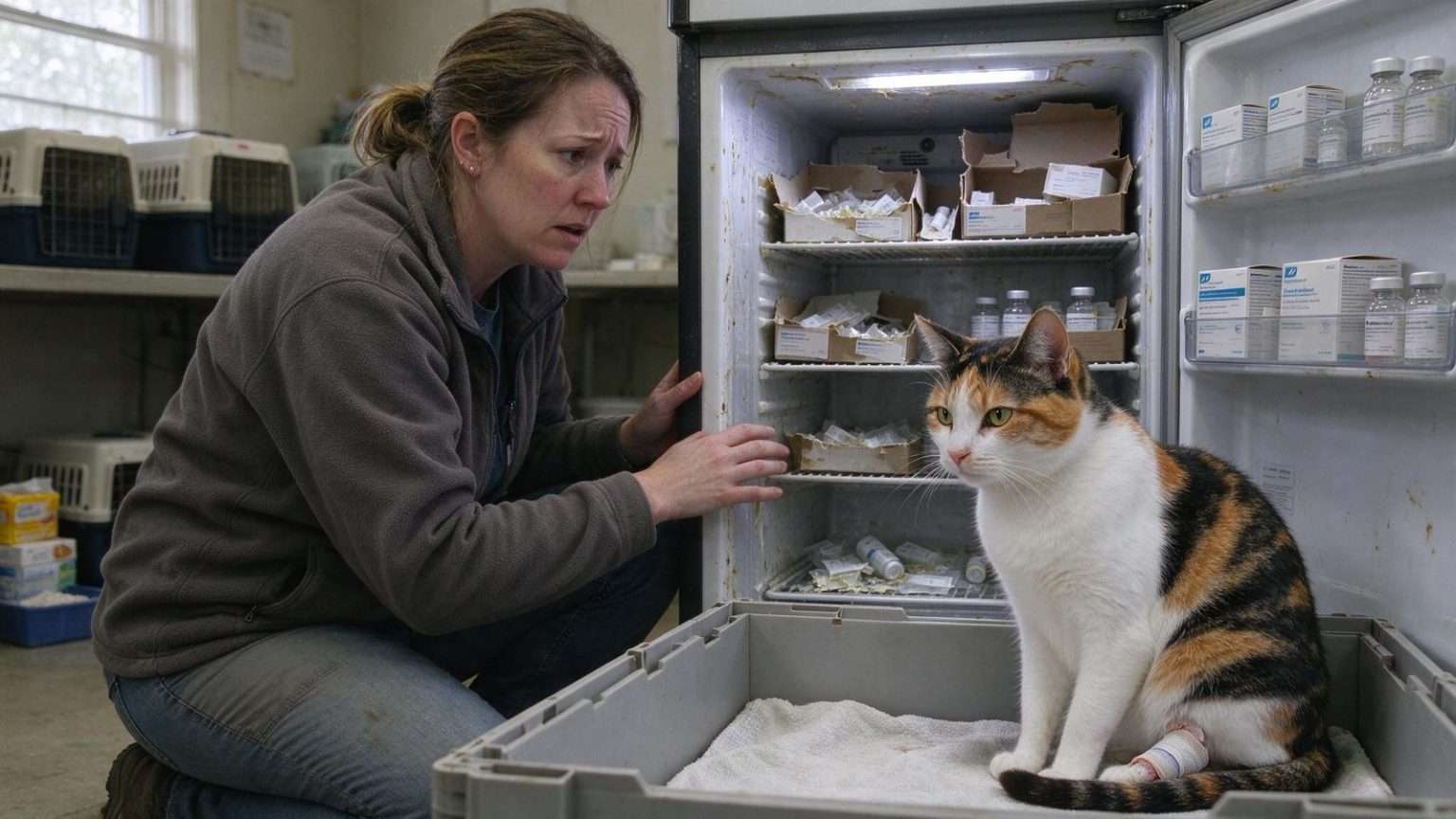
MOBILE, Alabama – A Mobile-area cat rescue is asking the community for help after an overnight refrigerator failure wiped out hundreds of dollars in vaccines and antibiotics used to care for the more than 100 cats currently in its charge.
The organization, which operates entirely on volunteer labor and receives no city, county, state or federal funding, discovered the loss when staff arrived to find the refrigerator that stored the group’s medical supplies had stopped working sometime overnight.
Among the items lost were vaccinations against several common feline illnesses, including feline leukemia, rhinotracheitis, panleukopenia and chlamydia psittaci, all of which are considered standard care for cats and kittens moving through the rescue’s intake process.
Also destroyed were prescription antibiotics used to treat cats recovering from injury, surgery or illness. Because the rescue frequently takes in animals with pre-existing medical conditions, organizers said the antibiotics are a critical part of keeping newly arrived cats healthy while they wait for adoption.
The timing was especially difficult for one recent rescue: a cat named Admiral, pulled from a Mobile County animal shelter shortly before he was scheduled to be euthanized. Admiral arrived with a severe tail injury requiring ongoing treatment and antibiotics, some of which were among the medications lost when the refrigerator failed.
Volunteers with the group described the situation as urgent, noting that without replacement supplies, newly admitted cats and those recovering from medical procedures could go without necessary treatment.
The rescue has cared for a steady stream of animals throughout the year, relying on adoption fees, private donations and fundraising drives to cover veterinary costs, since it does not receive any government support. Organizers set up an online fundraiser seeking donations to cover the cost of replacing the ruined medications and are also directing supporters to the group’s Facebook page for updates on Admiral’s recovery and other cats currently available for adoption.
The rescue can also be reached by phone for anyone interested in fostering, adopting or contributing supplies directly. The refrigerator failure adds another financial strain to a rescue that already operates on a shoestring budget, and volunteers say community support has historically been the difference between keeping the facility running and having to turn away animals in need.
With the holiday season underway, organizers expressed hope that Mobile-area residents would step up quickly so treatment for sick and injured cats would not be delayed.
What was lost when the refrigerator failed
Vaccines and refrigerated antibiotics are among the most expensive and least replaceable supplies an animal rescue keeps on hand. Unlike food or litter, which can be purchased as needed at almost any store, vaccinations must be ordered through veterinary suppliers, stored within a strict temperature range and used before they expire, and many require refrigeration from the moment they leave the distributor until the dose is drawn.
When a refrigerator stops running overnight, the entire contents are treated as compromised, because even a brief excursion above the recommended temperature can silently weaken or destroy a vaccine’s effectiveness. Administering a dose that has lost its potency can leave a cat unprotected against disease while giving staff a false sense of security, so rescue protocols generally call for discarding anything that may have warmed, no matter how it looks or smells.
That is what makes an equipment failure like this one so costly for a small organization. The loss is not just the price of the bottles on the shelf; it is the cost of reordering everything at once, the wait for replacement shipments to arrive, and the lag in vaccinating new intakes while supplies are restored.
Why each vaccine matters for rescued cats
The illnesses covered by the lost vaccines are among the most serious threats facing cats in group living situations, which is precisely what a rescue is. Rhinotracheitis and the related upper respiratory infections spread quickly in shelters and catteries, causing eye and nasal discharge, fever and breathing trouble, and they can be especially dangerous for kittens whose immune systems are still developing.
Panleukopenia, sometimes described as feline distemper, is a highly contagious viral disease that attacks the intestinal tract and bone marrow, and it can kill rapidly in unvaccinated cats. Because the virus is hardy and persists in the environment for long periods, vaccination is the primary line of defense for any facility that brings in new animals on a continual basis.
Chlamydia psittaci, despite its unfamiliar name, is a bacterial infection in cats that causes painful conjunctivitis and respiratory symptoms, and it spreads through close contact in crowded settings. Feline leukemia, meanwhile, is a viral disease that suppresses the immune system and can be transmitted between cats through close contact, making testing and vaccination central to protecting a population of cats that lives side by side.
Rescues that take animals from animal control facilities, streets and surrender situations cannot know what each new arrival has been exposed to before it walks through the door. Standard practice is to vaccinate on intake, then isolate and observe new arrivals while they settle in, which is why a gap in vaccine supply directly slows down the rescue’s ability to move cats safely into adoptable status.
The antibiotics and Admiral’s recovery
The lost antibiotics present a different but equally serious problem. Cats arriving with injuries, surgical needs or infections depend on those medications to heal, and a rescue that frequently accepts animals with pre-existing conditions goes through its antibiotic stock constantly.
Admiral’s situation illustrates the stakes. Pulled from a Mobile County animal shelter shortly before he was scheduled to be euthanized, he arrived with a severe tail injury that requires ongoing treatment. Tail injuries in cats can involve crushed vertebrae, deep wounds and tissue damage, and they often demand a long course of antibiotics and close monitoring to prevent infection from spreading.
Volunteers now face the task of making sure his treatment continues without interruption while the rescue rebuilds its supply, one of the reasons organizers have framed the fundraiser as urgent rather than routine. When a rescue this size loses a full complement of medications, the animals already in care end up competing with new intakes for whatever remains.
Running a rescue without public funding
The rescue’s all-volunteer structure is common among Gulf Coast animal organizations, but it means there is no safety net when an unexpected expense lands. Adoption fees cover only a fraction of the true cost of caring for a cat, since veterinary bills for spay and neuter surgery, testing, vaccinations and treatment of illness routinely exceed what adopters pay.
Private donations and seasonal fundraising drives fill the gap in ordinary months, and the group has relied on that community support to sustain a steady intake of animals throughout the year. An unplanned loss of this size, however, competes directly with the day-to-day costs of feeding, housing and medically caring for more than 100 cats, which is why volunteers describe the timing as especially hard.
The holiday season adds its own pressures. Winter months typically bring an uptick in kittens and cats needing help as litters continue to arrive and cold weather strains animals living outdoors, all while charitable giving spreads across many causes and household budgets tighten.
How Mobile residents can help
Organizers have laid out several ways for the community to respond. Donations through the online fundraiser go directly toward replacing the ruined vaccines and antibiotics, while supporters who prefer to give goods or services can contact the rescue by phone to arrange contributions of supplies.
Fostering is another option that helps in a less obvious way. Every cat that moves into a foster home frees up space, staff attention and resources at the rescue itself, easing the strain on a facility working through a medical supply shortage. Adoption, too, reduces the population in care and generates fees that can be applied to the group’s veterinary costs.
The group’s Facebook page has become the central hub for updates, including news of Admiral’s recovery and profiles of other cats currently available for adoption. Volunteers say continued public attention matters as much as any single donation, because rescues survive on the accumulation of small acts of support over time.
Volunteers note that the group’s needs go beyond medicine as well. Cleaning supplies, litter, food and warm bedding are consumed daily in a facility housing more than 100 cats, and every donated item of that kind frees up money that can instead be spent replacing the lost vaccines and antibiotics.
For now, the rescue’s immediate goal is straightforward: restore its medical supply shelf, keep Admiral and the other cats in treatment on schedule, and make sure no newly arrived animal waits longer than necessary for the vaccinations that protect it. Volunteers say the community’s response in the coming days will determine how quickly that happens.