

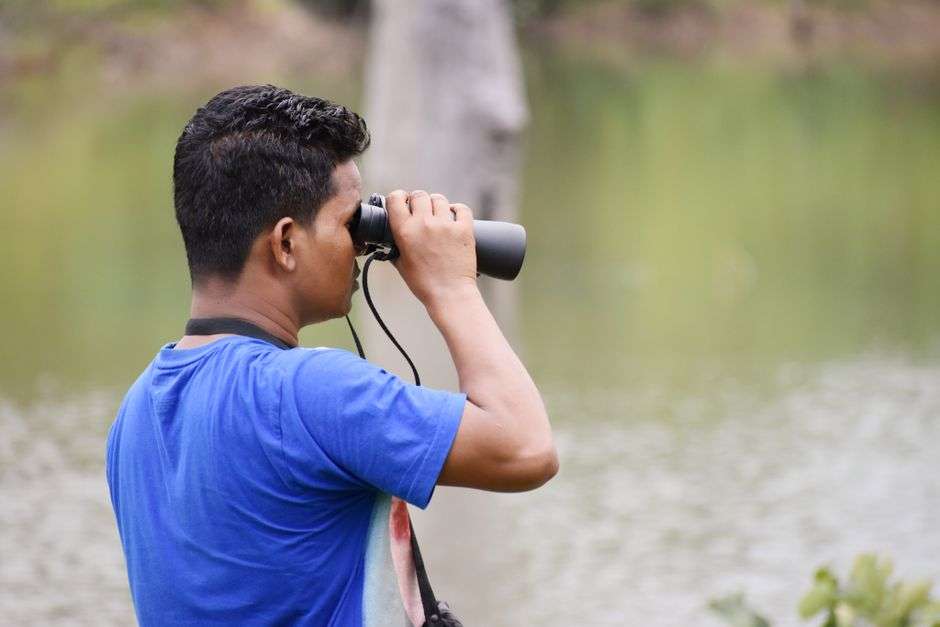
Online registration is open for the 17th annual Alabama Coastal BirdFest, a four-day birding and nature festival that draws visitors from across the country to the Alabama Gulf Coast each fall. This year’s event runs Oct. 6-9, with registration having opened Aug. 9 at 8 a.m. for the guided trips, workshops and seminars that make up the festival’s schedule. The early opening gives travelers time to book lodging and lets locals claim spots on the trips that fill fastest.
BirdFest is headquartered at the 5 Rivers Delta Resource Center on the Battleship Parkway in Baldwin County, but its offerings stretch across the region, from Gulf Shores to Dauphin Island and from Bon Secour to the Mobile-Tensaw Delta. Few festivals cover so much ground, and the itinerary doubles as a tour of the coast’s most important habitats — barrier island beaches, pine savannas, freshwater marshes and the delta wetlands where the Mobile and Tensaw rivers fan out into the bay.
Organizers have built a schedule around guided birding and nature outings, boat excursions into Mobile Bay, the Gulf of Mexico and the delta, and a lineup of workshops and seminars covering hummingbirds, beginner and advanced birding techniques, nature photography, building a backyard wildlife habitat, and planning national or international birding trips.
Each day of the festival includes walking trips, kayak outings, sunset cruises and field workshops led by experienced guides. The mix is deliberate: paddlers get close to the delta’s waterfowl, boat trips reach nesting islands and open bay, and walking trips let participants slow down enough to learn songs and calls that a faster outing would pass by.
The delta backdrop
Headquarters at 5 Rivers puts the festival at the doorstep of one of the nation’s great natural assets. The Mobile-Tensaw Delta is a sprawling network of bottomland forest, marsh and open water that biologists rank among the most biodiverse regions in North America, home to hundreds of bird species along with alligators, black bears and an enormous variety of fish and plant life. The Battleship Parkway causeway cuts straight through it, which makes the resource center a natural staging point for trips into the wetlands.
Fall migration is the reason the festival sits on the calendar where it does. Each October, neo-tropical songbirds, raptors and waterfowl move down the coast, and the Alabama Gulf Coast — the funnel of land at the top of the Gulf — concentrates birds on their way south. Dauphin Island’s famous birding sanctuaries, the Fort Morgan peninsula and the Bon Secour National Wildlife Refuge all become rest stops for travelers that birders time their visits around.
That geography explains why the festival draws visitors from across the country rather than just the region. Birders plan vacations around migration corridors the way anglers plan around runs, and the chance to cover the delta, the barrier islands and the gulf-front habitats with experienced local guides in a single long weekend is a rare combination.
A free day in Fairhope
On the festival’s fourth day, organizers will host a free, family-friendly Bird & Conservation Expo on the grounds of Coastal Alabama Community College in Fairhope, giving families and casual visitors a chance to take part even if they aren’t registered for the ticketed trips. The expo has become the festival’s front door for the wider community, introducing children and first-timers to the hobby without the cost or commitment of a guided field trip.
The festival returns this year with new programming after the 2020 event was canceled. “After having to cancel BirdFest in 2020, we are very excited to be planning an event for the fall,” said Diana Brewer, South Alabama Land Trust’s development and communications coordinator. “While the history of BirdFest speaks for itself, we are going the extra distance this year to plan new trips and workshops that showcase the beauty and diversity of bird watching, along with the amazing diversity of plants and wildlife in the coastal counties.”
Brewer said several of the newly added offerings are designed to appeal to local residents, an audience the festival has courted alongside its traveling visitors. Among the additions, a “Backyard Wildlife Habitat” workshop will show participants how to transform their own yards into spaces that attract birds and other wildlife — turning the festival’s expertise into something homeowners can apply the weekend after it ends.
Organizers have also added a new field workshop at Meaher State Park on the Causeway, where two nature photographers will lead participants through tips on where and how to capture wildlife images. The park sits on the edge of the delta with boardwalks and shoreline access, and it has become a favorite spot for photographers chasing herons, egrets and the sunrise light over the marsh.
Ecotourism with deep roots
Alabama Coastal BirdFest has grown over its history into one of the region’s more notable ecotourism draws, bringing birders and nature enthusiasts to explore the coastal habitats that stretch across Baldwin County and beyond. Seventeen years of festivals have given the event a rhythm locals recognize: hotel rooms fill, kayaks get reserved and the area’s refuges and sanctuaries see a burst of attention in early October.
The economics matter alongside the birding. Ecotourism spreads visitor spending across the shoulder season, when the summer beach crowds have thinned, and it reaches communities — Fairhope, Dauphin Island, Spanish Fort, Bon Secour — that benefit from travelers who come for nature rather than the sand. Festivals like BirdFest also build the constituency for conservation, connecting the dollars that visitors spend to the wetlands and wildlife that draw them.
The festival is organized by the South Alabama Land Trust, a nonprofit focused on conserving land and natural resources along the Gulf Coast. The land trust’s work — protecting habitat through easements and acquisitions across the coastal counties — is the quiet infrastructure behind an event like this: the places the trips visit remain places because someone worked to keep them that way.
Trips and workshops are expected to fill on a first-come, first-served basis, and organizers encourage those interested in specific outings to register early. Popular trips — the delta boat excursions, the Dauphin Island outings and the photography workshops — routinely fill within days of registration opening, and a spot on a guided trip is the only way to see much of the schedule.
The full festival schedule and a link to register are available online at southalabamalandtrust.org/birdfest/. Those with questions can call South Alabama Land Trust at 251-990-5004.
What new birders can expect
Beginners are a particular focus of this year’s programming. The seminar track splits birding instruction into beginner and advanced levels, so someone who has never raised a pair of binoculars can learn the basics — optics, field guides, the first steps of identification — before joining a trip where the guides expect to teach as they go.
The hummingbird seminar taps one of the coast’s most accessible spectacles. Ruby-throated hummingbirds funnel through the Gulf Coast on their fall migration, and homeowners across the region host them at feeders each September and October. Learning the timing, the feeder setup and the identification basics turns a backyard into a birding station without ever leaving home.
For the more ambitious, the trip-planning seminar covers how to organize national and international birding travel, from choosing destinations and seasons to working with guides. It reflects the audience the festival has built over 17 years: participants who arrived as beginners and now plan whole vacations around the birds they learned to find in Baldwin County.
The conservation mission underneath
Every guided trip also serves the land trust’s larger purpose. When participants paddle the delta or walk a preserved tract with a guide, they see firsthand what protected habitat looks like and why the work of conserving it continues. The festival has always functioned as both an event and an argument: the coast’s birds depend on the coast’s land, and the land stays wild only through deliberate effort.
That message lands differently with each audience. For visiting birders, the festival is a chance to add Gulf Coast species to a life list in the company of guides who know exactly where the birds are. For locals, it is an education in what the region’s wetlands, beaches and longleaf pine country support — and what would be lost if the habitat disappears.
Seventeen years in, the festival has also built its own community. Guides return each fall, regulars greet one another on the docks and the trips fill with a mix of first-timers and veterans who have been attending since the early years. That continuity is part of what organizers leaned on when the 2020 cancellation forced a year off, and part of why they describe this year’s return as a celebration as much as a schedule.
Registration is open now, the October dates are set, and the birds — as they do every fall — are already on their way south. The rest is a matter of picking a trip, packing the binoculars and reserving a seat before the first-come lists fill up.